Afghanistan currency gains 11% as inflation falls despite sanctions pressure
 13 oC
13 oC 
Güneşli

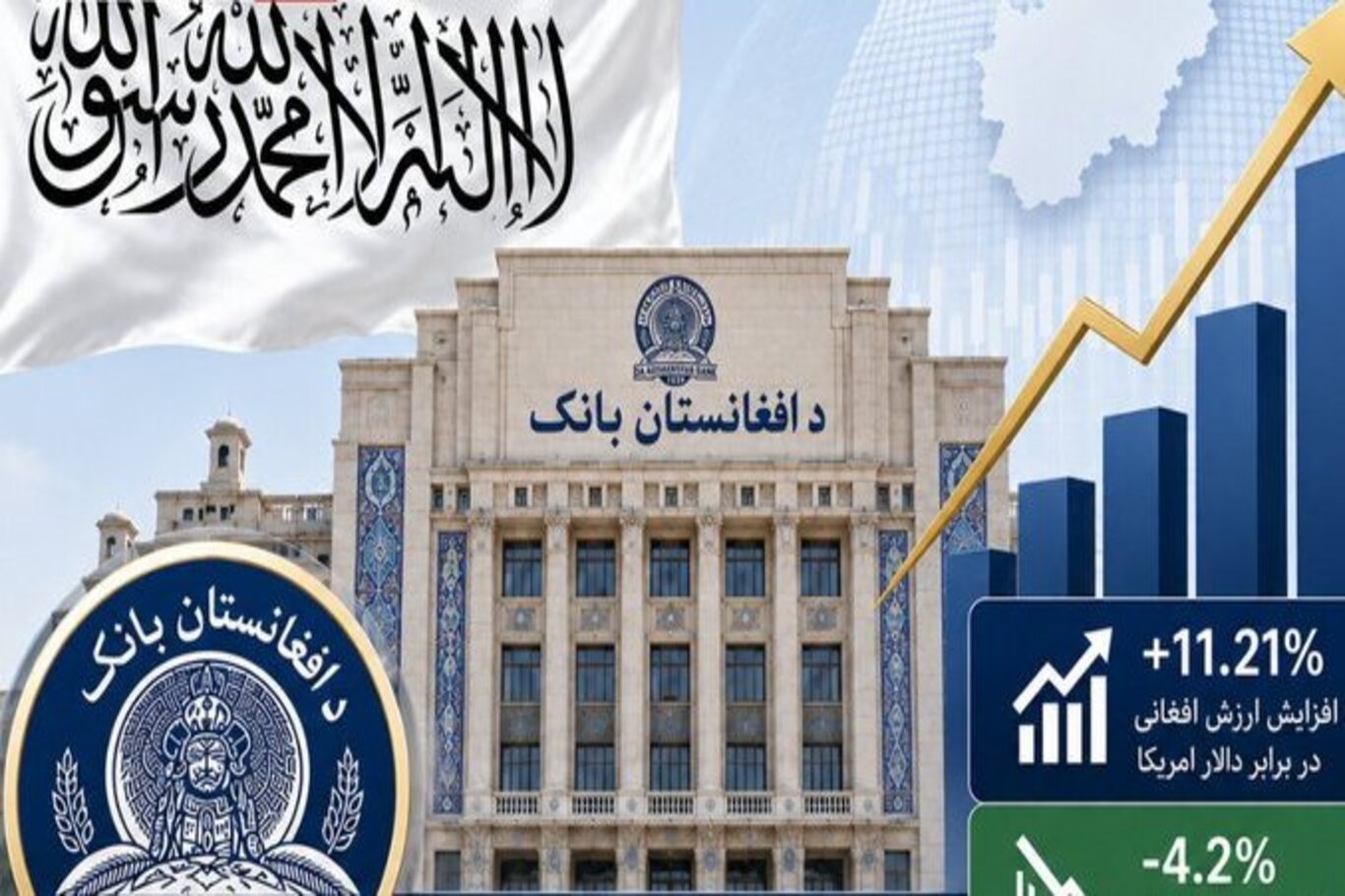
Afghanistan’s economy demonstrated notable resilience during the 2024–25 financial period, with official indicators showing an 11.21% appreciation of the national currency against the U.S. dollar alongside a 4.2% decline in consumer prices
According to economic data cited by financial authorities, the Afghan central bank met key monetary targets during the period, signaling what officials describe as gradual stabilization and increased self-sufficiency in domestic financial management.
The Afghan Afghani’s appreciation against the U.S. dollar marks one of the strongest performances in recent years, reflecting tighter monetary controls, reduced cash liquidity pressures, and a more regulated foreign exchange market.
At the same time, consumer prices fell by 4.2%, indicating easing inflationary pressure across essential goods and services. Analysts attribute the decline in prices to improved currency stability, reduced speculative trading, and tighter oversight of banking operations.
The gains come despite significant structural challenges, including ongoing international sanctions, restricted access to global banking networks, and the freezing of billions of dollars in Afghan central bank reserves held abroad.
Economic observers note that Afghanistan’s financial system has increasingly relied on domestic revenue collection, informal trade channels, and strict monetary controls to stabilize liquidity.
Updated assessments of the country’s financial situation suggest that the central bank has continued to prioritize currency stability and inflation control through limited money supply expansion and stricter regulation of currency exchange markets.
However, economists caution that the apparent stability remains fragile, heavily dependent on external aid flows, informal remittances, and the continued enforcement of currency controls.
Despite these limitations, Afghan authorities present the recent indicators as evidence of progress toward a more controlled and internally managed economic framework. (ILKHA)
LEGAL WARNING: All rights of the published news, photos and videos are reserved by İlke Haber Ajansı Basın Yayın San. Trade A.Ş. Under no circumstances can all or part of the news, photos and videos be used without a written contract or subscription.

Türkiye and Canada have agreed to launch exploratory talks on a potential Free Trade Agreement (FTA), signaling a new phase in efforts to strengthen economic and commercial relations between the two countries.

More than 300 businessmen from Asia, Europe, Africa, the Middle East, and the Gulf countries will gather in Kızılcahamam for the three-day event under the slogan “Ethical Trade, Strong Türkiye.”
The chemical industry became the leading export sector in Türkiye's Mediterranean region in May, according to figures released by the Mediterranean Exporters' Associations (AKIB), while Spain emerged as the region's largest export destination during the month.