Türkiye reports significant decrease in trade deficit amid growing export numbers
 13 oC
13 oC 
Güneşli

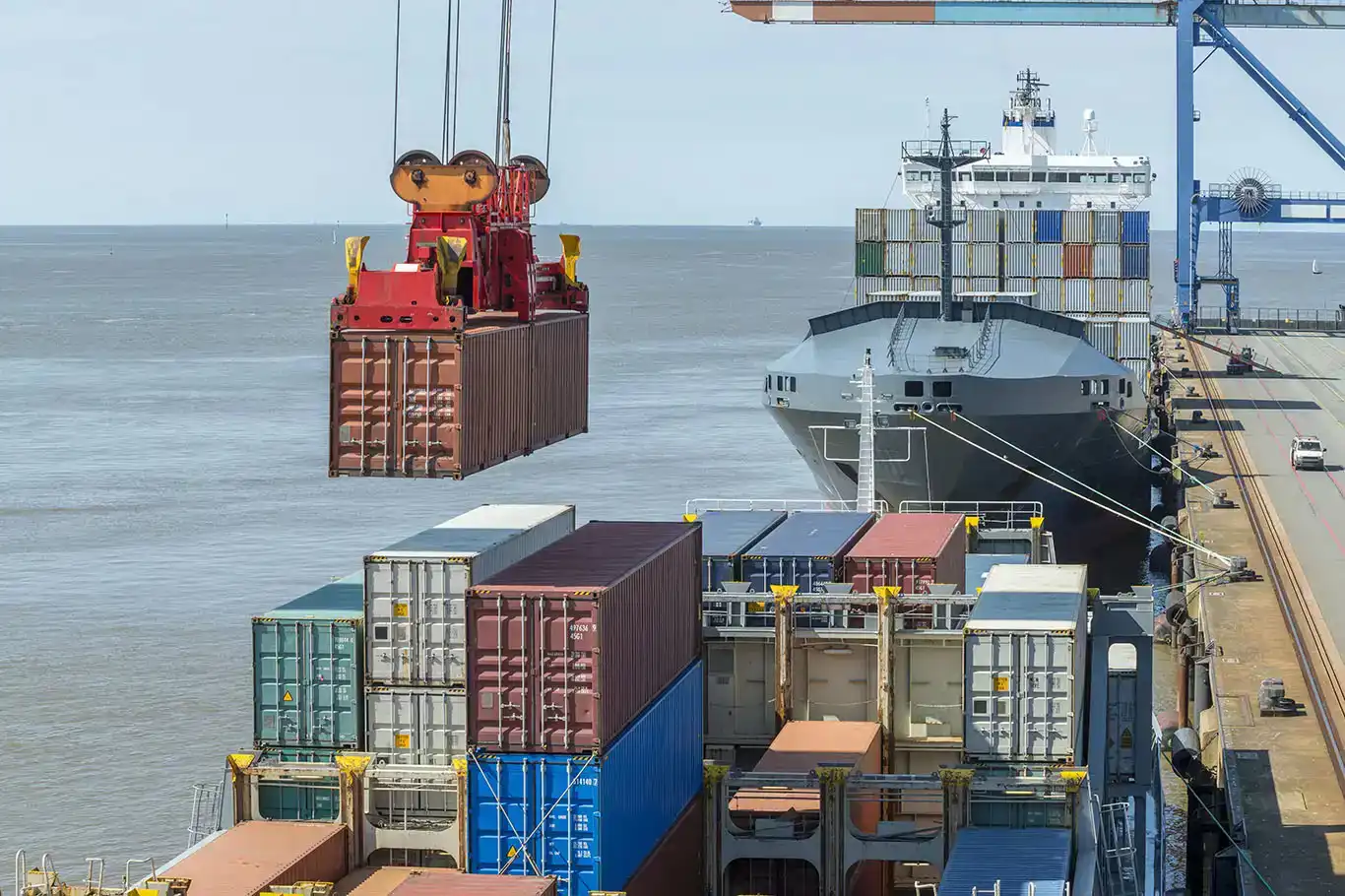
Türkiye's foreign trade performance in August demonstrated a positive trend. Exports experienced a modest increase of 2.3%, while imports saw a significant decline of 10.7%.
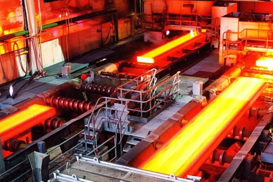
The manufacturing sector continued to be the driving force behind Türkiye's exports, accounting for a substantial 94.6% of the total. Germany maintained its position as the country's primary export market, followed by the United States, the United Kingdom, Iraq, and the United Arab Emirates.
On the import side, China remained the top supplier, followed by Russia, Germany, the United States, and Italy.
When adjusted for seasonal and calendar fluctuations, both exports and imports recorded slight increases, indicating a sustained positive trend.
Under the special trade system, exports rose while imports decreased, leading to a notable reduction in the foreign trade deficit. The coverage ratio of exports to imports also improved significantly.
Overall, these figures suggest that Türkiye's foreign trade is on a healthy trajectory, with increased exports and decreased imports contributing to a more favorable economic outlook. (ILKHA)
LEGAL WARNING: All rights of the published news, photos and videos are reserved by İlke Haber Ajansı Basın Yayın San. Trade A.Ş. Under no circumstances can all or part of the news, photos and videos be used without a written contract or subscription.
The share of the highest-income group in Türkiye’s total income declined marginally in 2025, while overall income levels rose sharply, according to the latest Income and Living Conditions Survey released by the Turkish Statistical Institute (TurkStat) on Friday.

Gold prices surged to a new all-time high on Friday, marking the second record-breaking session in a single week, as investors continued to flock to safe-haven assets amid persistent global uncertainty, inflation concerns, and currency weakness.

Istanbul’s Sabiha Gökçen International Airport has set new passenger and flight records following the commissioning of its second runway, highlighting the airport’s rising importance as a regional and global aviation hub on the city’s Asian side.

Türkiye’s monthly average labour cost stood at TRY 45,777 in 2024, according to the latest Labour Cost Statistics released for the reference year.