Türkiye’s wages surge 44.7% annually despite employment dip in industry
 13 oC
13 oC 
Güneşli

Türkiye’s labour market displayed significant annual wage increases and a rise in working hours in the first quarter of 2025, despite a slight quarterly dip in employment, according to data released by the Turkish Statistical Institute (TurkStat) on Thursday.
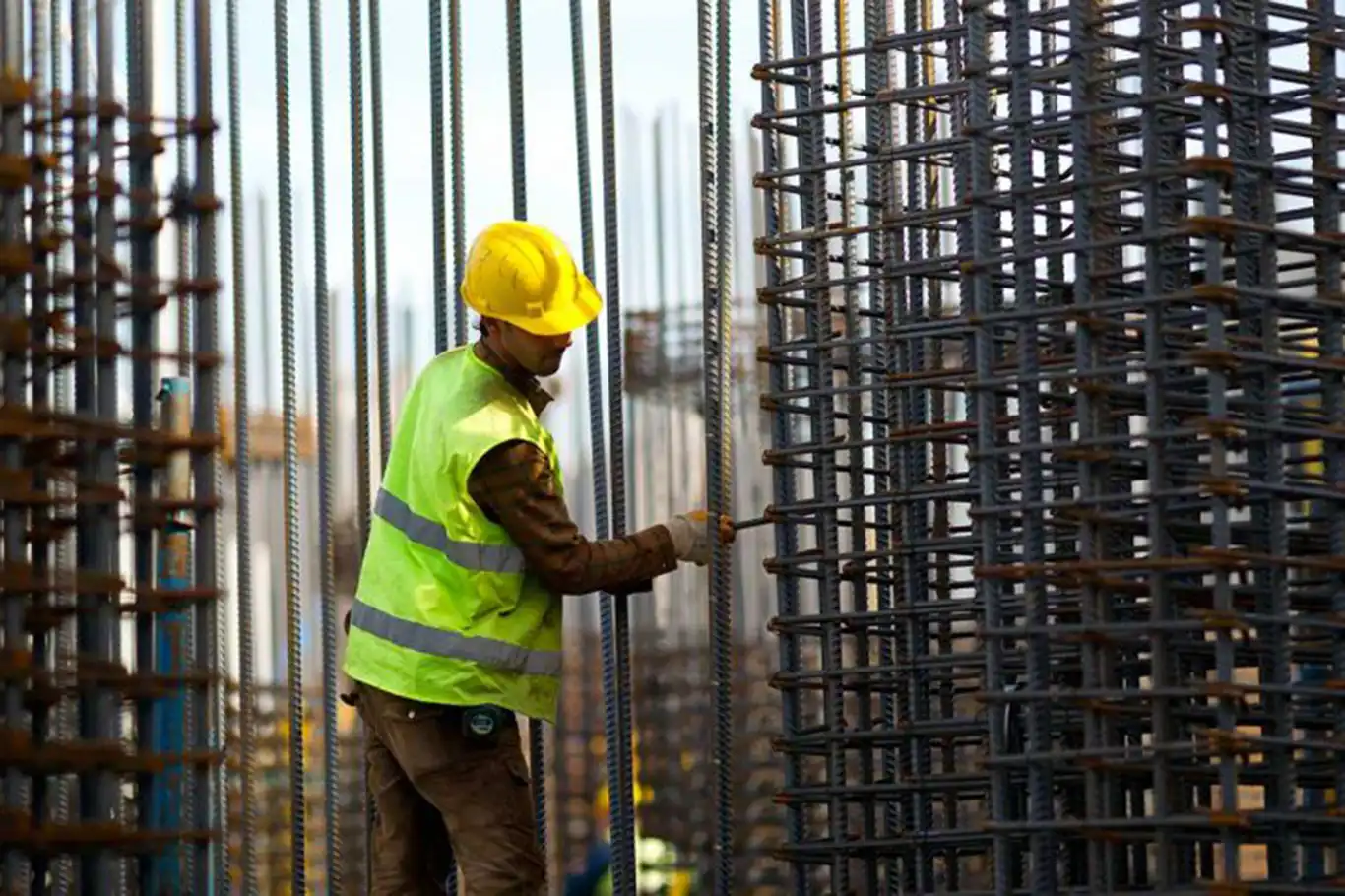
The gross wages-salaries index, covering industry, construction, and trade-services, soared by 44.7% year-on-year. The trade-services sector led with a 49.1% increase, followed by construction at 43.3% and industry at 38.5%. Quarterly data also showed strong wage growth, with a 10.5% rise compared to the previous quarter, driven by construction (12.4%), trade-services (11.7%), and industry (8.4%).
The hours worked index grew by 2.4% annually, with trade-services (+4.2%) and construction (+2.1%) driving the gains, while the industrial sector saw a 0.6% decline. On a quarterly basis, hours worked rose by 1.6%, with construction (+2.4%), trade-services (+1.8%), and industry (+0.9%) all contributing.
The employment index posted a modest 1.4% annual increase, propelled by trade-services (+3.1%) and construction (+2.7%), though industrial employment dropped by 2%. Quarterly figures revealed a slight 0.2% decline in overall employment, with industry (-1.1%) and construction (-0.8%) contracting, while trade-services eked out a 0.4% gain.
Hourly labour costs surged 41.5% annually, with trade-services leading at 43% and construction close behind at 46.8% for non-earnings costs like social security contributions. The hourly earnings index rose 41.4% year-on-year, with quarterly increases of 8.5% for labour costs and 8.8% for earnings.
The data highlights robust wage growth and rising labour costs, fueled by inflationary pressures and strong demand in trade-services and construction. However, declining industrial employment and hours worked suggest challenges in manufacturing. The trade-services sector’s resilience continues to bolster Türkiye’s labour market, but analysts will monitor whether industrial slowdowns signal broader economic shifts. (ILKHA)
LEGAL WARNING: All rights of the published news, photos and videos are reserved by İlke Haber Ajansı Basın Yayın San. Trade A.Ş. Under no circumstances can all or part of the news, photos and videos be used without a written contract or subscription.

Officials from the Afghanistan Chamber of Commerce and Investment (ACCI) have held talks with Tamim Hamiz, a representative of international logistics company DHL, on the possible resumption of the company’s operations in Afghanistan.

Türkiye's financial intermediary institutions sector recorded strong growth in 2025, with total value added at factor cost rising 70.9% year on year to 2.99 trillion Turkish liras, according to data released by the Turkish Statistical Institute (TurkStat).

Confidence in Türkiye’s services sector remained unchanged in September, while sentiment in the retail trade sector improved and confidence in construction edged lower, according to data released by the Turkish Statistical Institute (TÜİK) on Thursday.

Global debt increased by $10 trillion during the first half of 2026, reaching a record $365.5 trillion, driven mainly by higher public-sector and non-financial corporate borrowing, according to the latest Global Debt Monitor published by the Institute of International Finance (IIF).