JD Vance: US will continue Iran nuclear negotiations regardless of Israel’s position

 13 oC
13 oC 
Güneşli

U.S. Vice President JD Vance has confirmed that Washington will continue pursuing diplomatic negotiations with Iran over its nuclear program, regardless of Israel’s position, signaling growing divergence between the United States and the Israeli government on regional strategy.
Speaking in an interview with Fox News on Monday, Vance emphasized that the United States believes conditions now exist for a long-term diplomatic settlement with Tehran, following months of regional developments and shifting geopolitical realities.
“Thanks to what’s happened over the last few months, but really over the last year and a half, we’ve created the space necessary where the president believes, and I think that he’s right, that we can get the long-term settlement to Iran’s nuclear deal,” Vance said.
He added that while Israel may oppose or support such an agreement, U.S. policy will be guided strictly by American national interests.
“Now, Israel may like that, they may not like that, but fundamentally, we think this is in the best interest of the United States of America. So we’re going to keep on pursuing it,” he said, stressing that the administration’s approach reflects its electoral mandate.
The remarks come amid signs of strain between Washington and Tel Aviv, particularly following reports that former U.S. President Donald Trump urged Israel not to retaliate after Iranian missile strikes on Sunday — a request that was reportedly ignored.
Regional tensions escalated further after Israel conducted airstrikes on Beirut despite an existing ceasefire, triggering a chain of retaliatory actions across the region.
Iranian forces responded with missile strikes toward northern Israel, while Israel launched multiple waves of airstrikes targeting sites in Iran. Iranian military officials later announced a pause in operations while warning of a “crushing” response if Israeli attacks on Lebanon continue.
Israeli media, citing unnamed officials, reported that Israel had also agreed to halt strikes on Iran, though it would continue military operations in southern Lebanon.
The wider region has remained on edge since previous U.S. and Israeli airstrikes on Iranian territory triggered retaliatory responses targeting Israeli positions and U.S. military assets in the region.
A temporary ceasefire was reportedly reached on April 8, but it has since faced repeated challenges amid disagreements over implementation and ongoing military developments. Although former President Trump extended the truce indefinitely, the agreement has remained fragile.
Iran has consistently maintained that any diplomatic engagement over its nuclear program must be linked to a complete cessation of hostilities and respect for national sovereignty. Tehran has rejected pressure-based negotiations, insisting that stability cannot be achieved under continued military aggression or unilateral sanctions.
As tensions persist, Iran’s stance remains that a comprehensive resolution can only be reached once what it describes as “aggression against Iran and the region” comes to an end, while reaffirming its readiness to respond firmly to any further escalation. (ILKHA)
LEGAL WARNING: All rights of the published news, photos and videos are reserved by İlke Haber Ajansı Basın Yayın San. Trade A.Ş. Under no circumstances can all or part of the news, photos and videos be used without a written contract or subscription.

Gaza’s Health Ministry has strongly condemned the kidnapping of seven Palestinian Red Crescent paramedics by Israeli forces on Tuesday morning while they were performing humanitarian medical duties in the Gaza Strip.
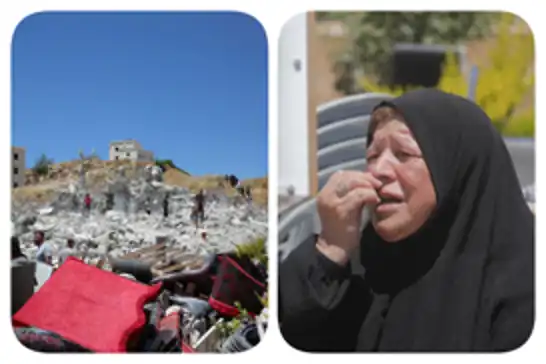
Israeli authorities have issued demolition notices targeting 12 Palestinian homes and residential structures in the Masafer Yatta area, south of Hebron, in the occupied West Bank, in part of an escalating campaign of displacement and land confiscation.

Japanese authorities have sedated and captured a black bear that had been roaming a residential area near the city of Utsunomiya, close to Tokyo, as the country continues to grapple with a sharp rise in bear encounters and attacks.
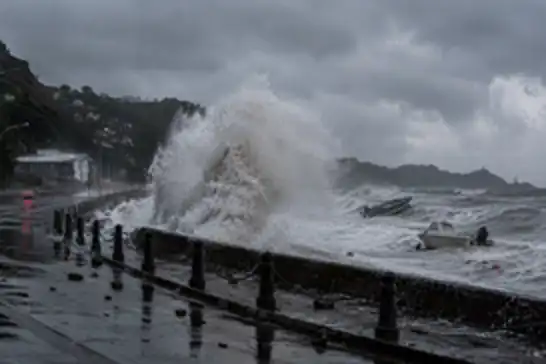
Hundreds of residents were evacuated from vulnerable coastal homes in New Zealand’s capital on Tuesday as powerful swells reaching up to 11 metres (36 feet) hammered the shoreline, prompting authorities to declare a local state of emergency.