Tusk demands action from Berlin on WWII compensation for Polish victims
 13 oC
13 oC 
Güneşli

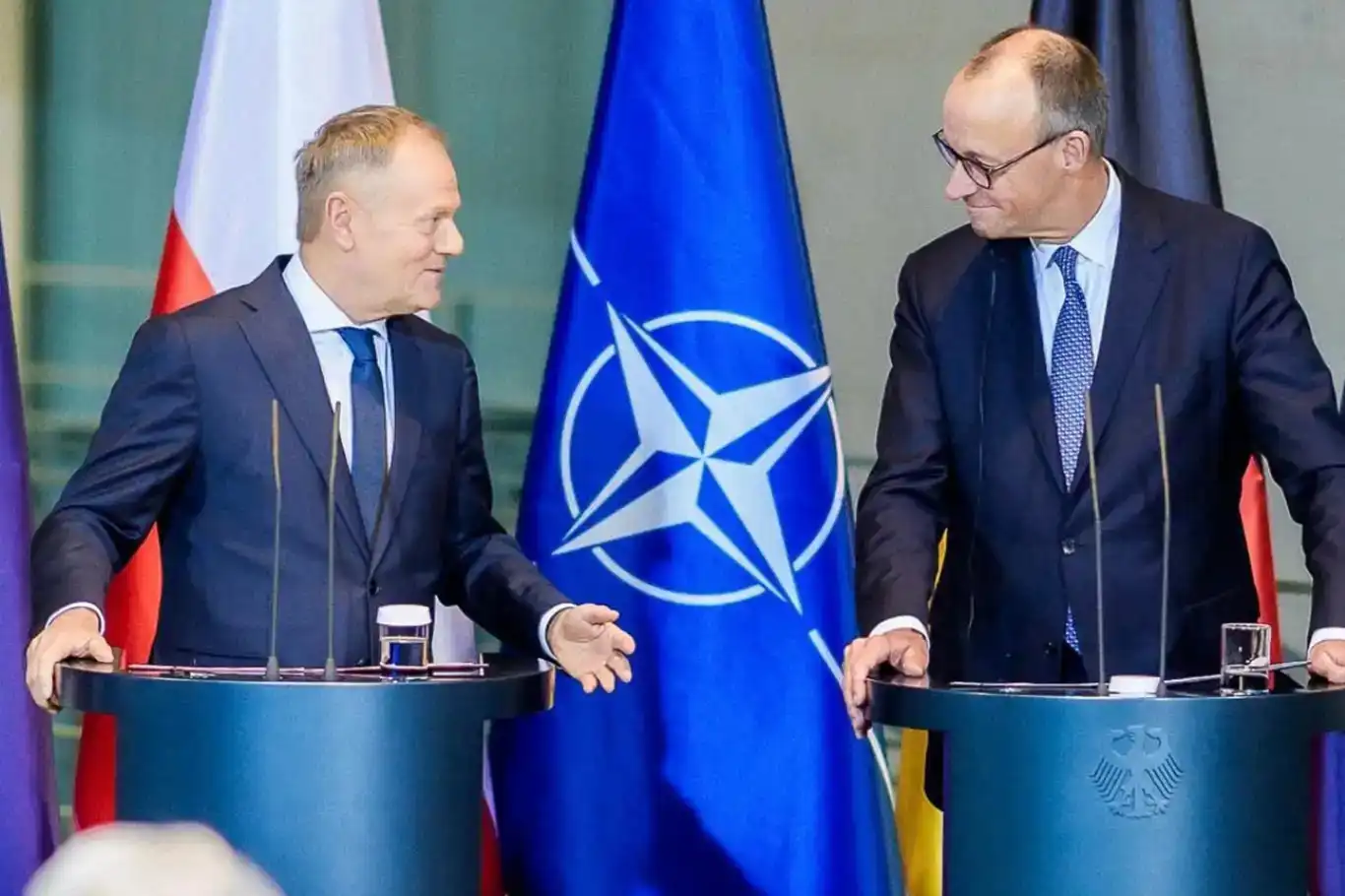
Polish Prime Minister Donald Tusk on Monday publicly challenged German Chancellor Friedrich Merz over the unresolved issue of compensation for Poland’s devastating losses during World War II, declaring that the matter is a "deeply important moral and historical" one for his nation.
Speaking at a joint press appearance following bilateral consultations, Tusk directly contested Germany’s long-held legal position on the issue. "We in Poland all believe that Poland has not received compensation for the losses and crimes of World War II," Tusk stated. He pointed to the 1950s, when communist Poland, under Soviet domination, was pressured by East Germany to renounce further reparations. "Poland had no sovereignty and no say in that period," Tusk asserted. "The waiver of reparations cannot be viewed as an expression of the Polish people’s will."
Chancellor Merz reiterated Berlin's steadfast stance that the question is legally settled, referencing treaties and statements from the 1950s and 1990s that successive German governments have considered final. "The legal position of the federal government is known and has not changed," Merz said. However, he acknowledged the "painful history" and expressed a desire to handle historical disputes "in a way that brings both countries closer, not further apart."
He highlighted German efforts at symbolic reconciliation, including a planned Berlin memorial to Polish victims and this week’s restitution of 73 medieval Polish documents looted during the Nazi occupation.
The exchange underscores the vast chasm between legal finality and historical grievance. Poland suffered catastrophic losses under Nazi Germany: approximately six million citizens were killed—half of them Polish Jews—and cities like Warsaw were systematically razed. In 2022, a Polish parliamentary commission estimated material losses at $1.3 trillion, a figure Berlin rejected.
While Tusk’s government has not pursued a formal legal claim, recognizing the significant legal hurdles, it insists the moral dimension persists. Tusk sharpened this argument by criticizing Germany for delays in implementing a humanitarian pledge made by former Chancellor Olaf Scholz to provide financial support to surviving Polish victims of Nazi persecution.
"Time is of the essence," Tusk warned, noting the number of eligible survivors has dropped from over 60,000 to about 50,000 since the pledge was made. "If a humanitarian gesture is truly intended, then it should be made before it is too late." He suggested Poland might begin providing such support itself if Germany does not act swiftly.
Despite the pointed historical dispute, both leaders emphasized the strength and importance of the contemporary Polish-German partnership, particularly regarding support for Ukraine against Russian aggression and work on a new joint defense policy agreement.
Analysts suggest Tusk’s firm tone in Berlin reflects both a core conviction and domestic political pressures, as nationalist opposition parties in Poland frequently emphasize the reparations issue. His remarks signal a continued push for Germany to acknowledge a moral, if not legal, debt through tangible humanitarian or symbolic acts.
The meeting thus laid bare the dual nature of Polish-German relations: robust allies facing shared modern threats, yet neighbors for whom the darkest chapter of the 20th century remains an open account in the collective memory of one nation and a fraught historical responsibility for the other. The coming months may reveal whether Berlin will offer new gestures to address what Warsaw sees as a race against time for the war's last witnesses. (ILKHA)
LEGAL WARNING: All rights of the published news, photos and videos are reserved by İlke Haber Ajansı Basın Yayın San. Trade A.Ş. Under no circumstances can all or part of the news, photos and videos be used without a written contract or subscription.
The United Nations has sounded a renewed alarm over the rapidly deteriorating humanitarian situation in the Gaza Strip, with UN Spokesperson Stéphane Dujarric detailing severe shortages, obstructed access routes, and escalating winter-related risks during Monday’s noon briefing at UN Headquarters.
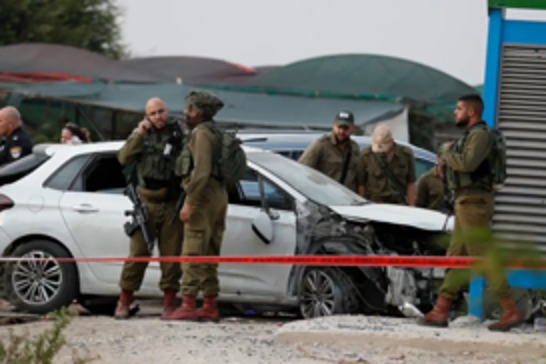
A ramming operation targeted Israeli occupation forces near the town of Halhul, north of occupied Hebron (Al-Khalil), on Tuesday evening, injuring a female soldier, according to Israeli and local media reports.

Israeli occupation forces continue to violate ceasefire with intensified strikes on Gaza City, Khan Yunus and central camps, killing 1 and causing widespread panic.