UNFPA warns of widespread hunger among women in Gaza
 13 oC
13 oC 
Güneşli

United Nations agencies have issued urgent warnings that Gaza’s humanitarian disaster is spiraling further out of control, with women-led households, children and the injured facing worsening hunger, disease and exposure as winter conditions deepen and restrictions on aid continue.
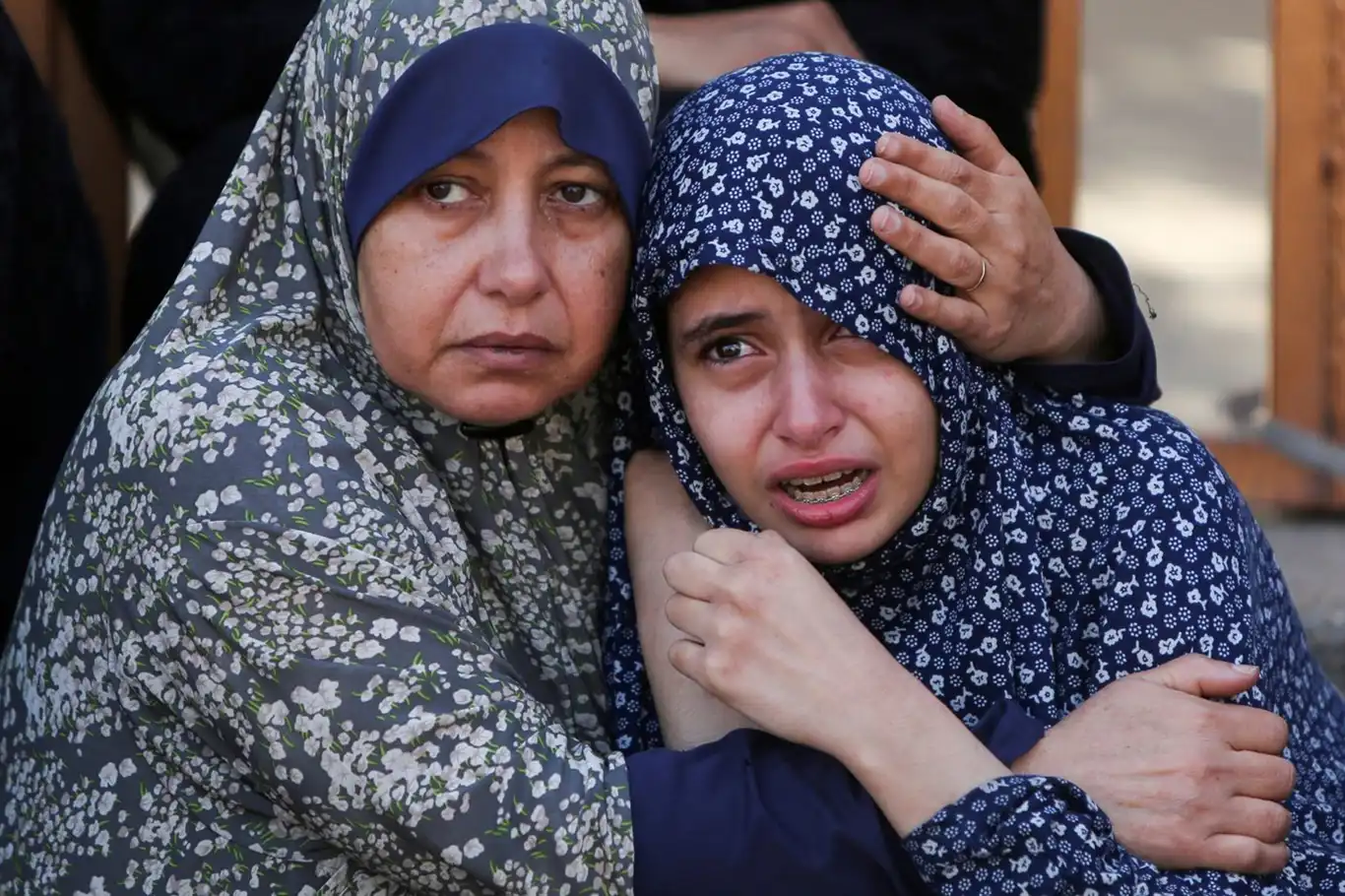
The UN Population Fund (UNFPA) sounded the alarm over the rapidly rising number of households now headed by women, describing their situation as “extremely fragile” following months of devastation and siege-like conditions imposed on the besieged enclave.
UNFPA Representative in Palestine, Nestor Owomuhangi, said field visits to hospitals and displacement camps revealed a population pushed beyond breaking point.
“Most families continue to live in overcrowded shelters, where hunger and disease are constant threats,” he said, warning that daily life in Gaza has been reduced to mere survival.
According to UNFPA, more than 57,000 households in Gaza are now led by women, many of whom have lost spouses and relatives in the violence and now struggle to keep their children alive with little or no income.
“These women are profoundly vulnerable,” Owomuhangi said, noting that winter rains and flooding have intensified the suffering by destroying fragile tents and spreading sewage-contaminated water through overcrowded camps.
UNICEF reported that nearly 9,300 children under the age of five suffered acute malnutrition in October alone, with numbers expected to rise dramatically as cold weather, flooding and disease spread across displacement sites.
Local authorities estimate that recent winter storms destroyed or damaged more than 22,000 tents, leaving around 288,000 households exposed to freezing temperatures. Hospitals in southern Gaza have reported rainwater flooding corridors and even operating rooms, pushing an already collapsing health system closer to total failure.
“People no longer ask for homes, education or proper meals,” Owomuhangi said. “They ask for a tent, a small heater, and a light. Their expectations have collapsed — as devastating as any demolished building.”
UNFPA reported that Gaza’s health system is operating at only a fraction of its capacity, with just one-third of health facilities partially functioning. Even these are chronically understaffed, overwhelmed and running dangerously low on essential supplies.
“Gaza’s health system survives only because its workers refuse to abandon it,” Owomuhangi said, paying tribute to doctors, nurses and paramedics who continue to work under bombardment, shortages and exhaustion.
The human toll continues to mount. Since October 2023, Gaza’s Ministry of Health reports over 70,000 Palestinians killed and more than 170,000 injured, while new demographic studies suggest the real death toll may exceed 100,000 when those buried under rubble are included.
The human cost is staggering. Gaza’s Ministry of Health reports over 70,000 Palestinians killed and more than 170,000 injured since October 2023, with recent analyses suggesting the true death toll, including those under rubble, may exceed 100,000. The long-term human impact is immense: more than 6,000 amputees, including thousands of children, need rehabilitation, and the UN estimates at least 21,000 children have been permanently disabled.
Despite the scale of suffering, UN agencies say aid access remains heavily restricted. Only three crossings are currently open, and never at the same time. Bureaucratic and security obstacles continue to delay critical supplies such as food, fuel, medicine, shelter materials and clean water equipment.
Owomuhangi stressed that without predictable, safe and large-scale access through all available routes, shelters, clinics and sanitation systems will continue to collapse under the pressure of winter.
“Without this, recovery cannot even begin,” he warned.
Since the October 10 ceasefire, UNFPA reports that it has been able to reach 120,000 women and girls with critical reproductive health care and services for survivors of gender-based violence. The agency’s current support network inside Gaza includes 22 health facilities—five of which are hospitals—alongside 36 safe spaces, two shelters, and nine youth hubs.
UNFPA says it hopes to expand these services next year, but warns that without an immediate lifting of restrictions, humanitarian operations will remain severely limited.
UN agencies warn that unless access improves and supply flows are dramatically increased, Gaza’s most vulnerable — women-led households, starving children, the wounded and tens of thousands of people with disabilities — face an even more brutal and life-threatening winter.
Humanitarian officials say the world’s failure to act decisively has left Gaza’s civilians trapped in what they describe as a man-made catastrophe, with the most defenseless paying the highest price. (ILKHA)
LEGAL WARNING: All rights of the published news, photos and videos are reserved by İlke Haber Ajansı Basın Yayın San. Trade A.Ş. Under no circumstances can all or part of the news, photos and videos be used without a written contract or subscription.
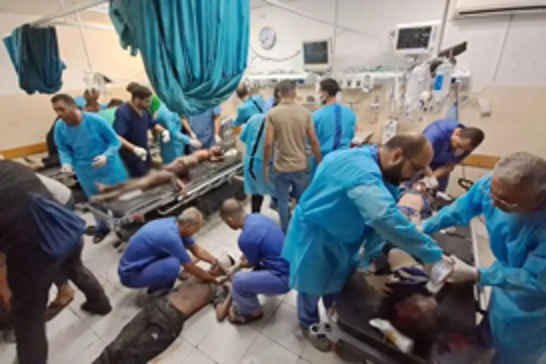
The Gaza Ministry of Health has warned of an unprecedented humanitarian disaster as essential medical supplies across the besieged Gaza Strip have virtually run out under Israel’s ongoing blockade.
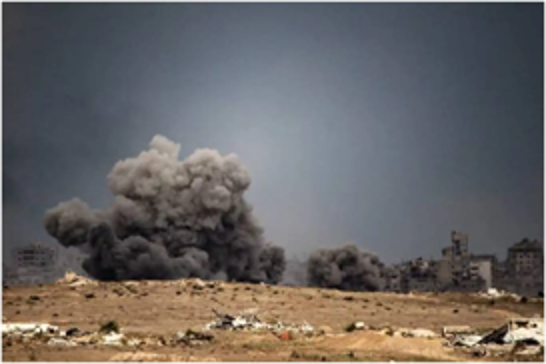
Israeli occupation forces continued large-scale demolitions and artillery shelling in Khan Younis, in southern Gaza, amid ongoing violations of the ceasefire, local sources reported.
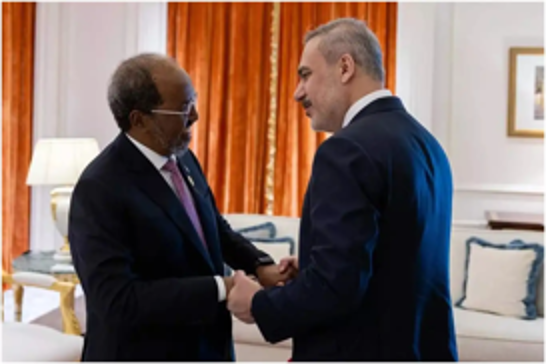
Türkiye’s Minister of Foreign Affairs Hakan Fidan held a high-level meeting with Hassan Sheikh Mohamud, President of the Federal Republic of Somalia, on the margins of the Doha Forum, diplomatic sources said.
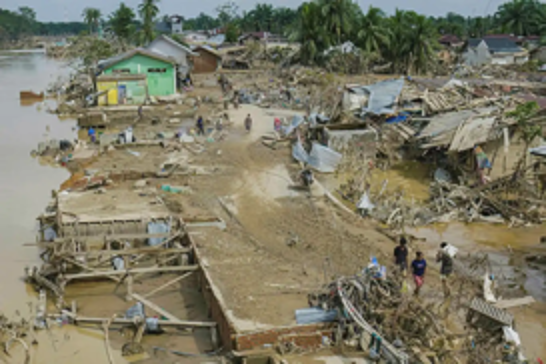
The death toll from devastating floods, landslides, storms and cyclones across several Asian countries has climbed above 1,700, with hundreds of people still missing, as rescue teams race against time to reach isolated communities.