US approves $330 million arms sale to Taiwan, first Under Trump administration
 13 oC
13 oC 
Güneşli

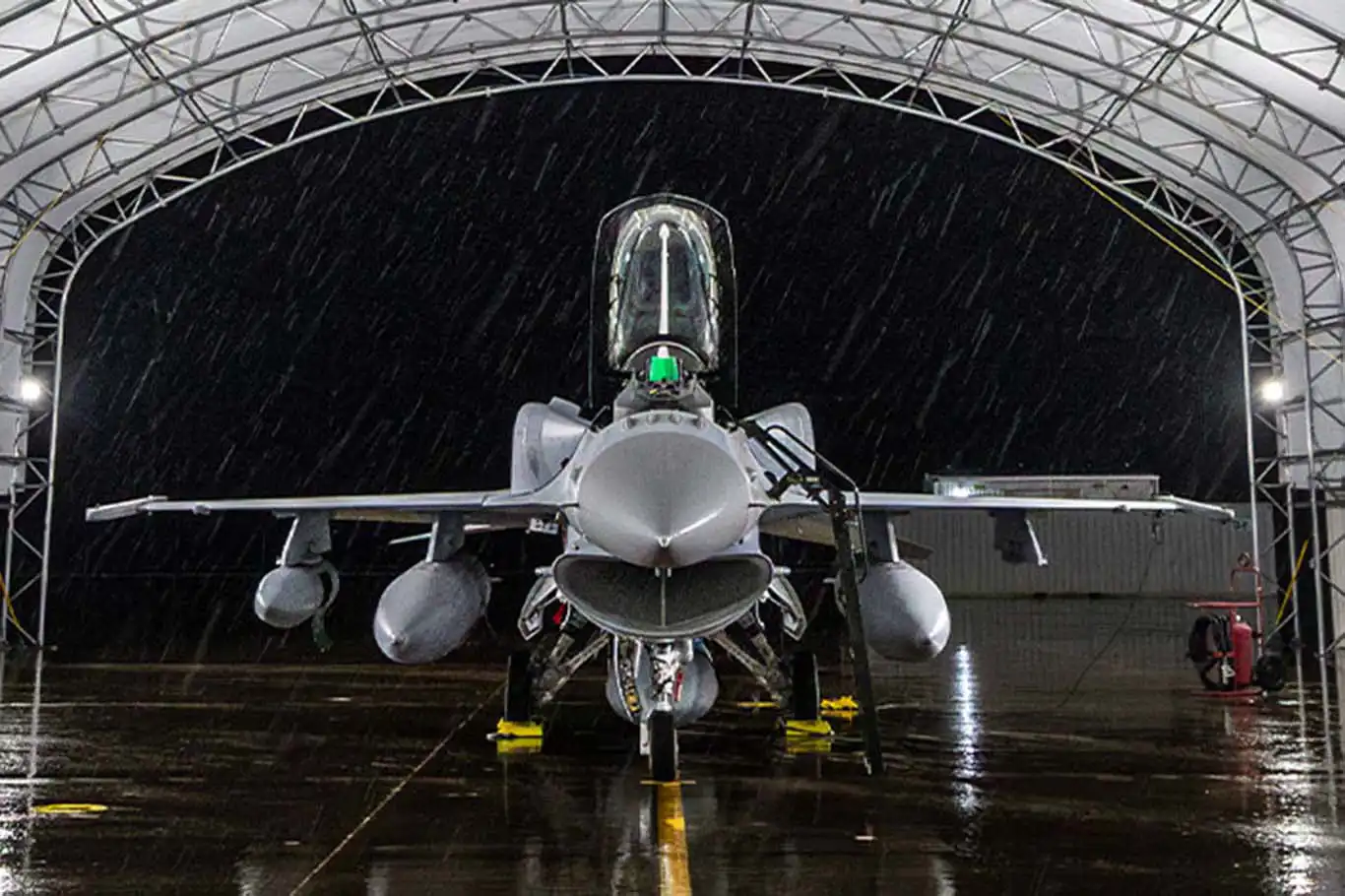
The United States has approved its first military sale to Taiwan since President Donald Trump returned to the White House, authorizing $330 million worth of parts and equipment, Taiwan’s foreign ministry announced Friday.
The package includes non-standard components, spare and repair parts, consumables, accessories, and repair and return support for F-16, C-130, and Indigenous Defense Fighter (IDF) aircraft, according to a statement by the US Defense Security Cooperation Agency.
Taiwan has a domestic defence industry but remains heavily reliant on US weaponry to maintain its self-defence capabilities against China, which claims the island as its territory and has repeatedly threatened to use force to assert control.
“This marks the first time the new Trump administration has announced an arms sale to Taiwan,” the Taiwanese foreign ministry said.
Strategic Ambiguity Continues
The United States is legally committed to providing arms to Taiwan under the Taiwan Relations Act, but Washington has maintained a policy of strategic ambiguity, leaving open whether it would deploy troops to defend the island in the event of a Chinese attack.
Taiwanese President Lai Ching-te has pledged to increase defence spending to over 3 percent of GDP next year and reach 5 percent by 2030, while also boosting investment in the US to mitigate a 20-percent tariff on Taiwanese exports imposed by Trump.
However, opposition parties, including the Kuomintang (KMT) and the Taiwan People’s Party, hold a parliamentary majority and may block plans for a special defence budget of up to NT$1 trillion (US$32 billion). KMT chairperson Cheng Li-wun recently warned that Taiwan cannot exceed 3 percent of GDP in defence spending, saying, “Taiwan isn’t an ATM.”
Backlogs and Global Context
The arms sale comes amid longstanding delays in US deliveries to Taiwan caused by COVID-19 supply chain disruptions and high-priority US shipments to Ukraine and Israel.
This announcement also coincides with heightened tensions in East Asia. Beijing criticized remarks by Japan’s new Prime Minister Sanae Takaichi, who suggested Japan might send troops to support Taiwan under the principle of collective self-defence if the island faced armed attacks. China’s foreign ministry stated Thursday that such actions “will by no means be tolerated.”
The US arms sale, which follows the last major package under former President Joe Biden in December 2024, underscores Washington’s continuing role as Taiwan’s primary arms supplier and a key deterrent to potential Chinese aggression. (ILKHA)
LEGAL WARNING: All rights of the published news, photos and videos are reserved by İlke Haber Ajansı Basın Yayın San. Trade A.Ş. Under no circumstances can all or part of the news, photos and videos be used without a written contract or subscription.
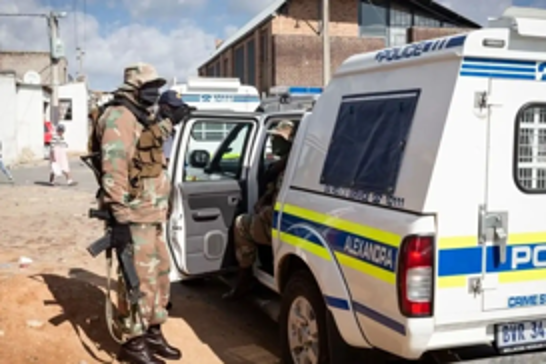
A deadly mass shooting at a hostel in the Saulsville township near Pretoria has left at least 11 people dead and 14 others injured, South African police confirmed on Saturday.
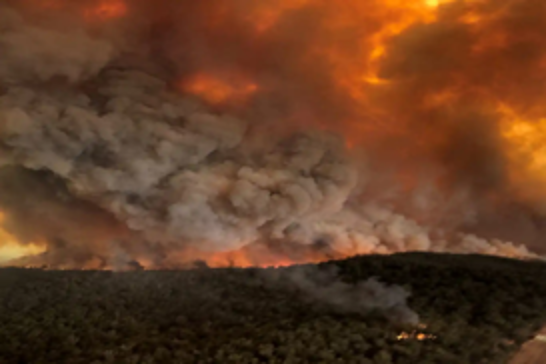
Wildfires tore through Australia’s New South Wales (NSW) on Saturday, destroying as many as 16 homes and forcing thousands of residents to evacuate.
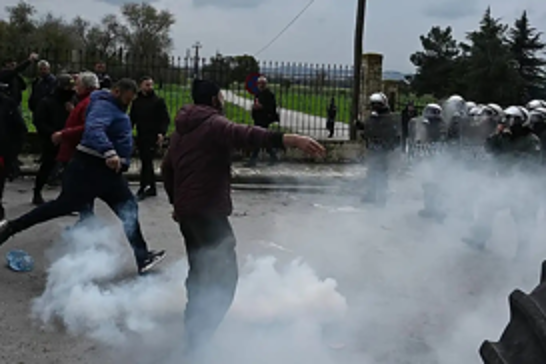
Farmers across Greece have intensified their protests, blocking major highways, border crossings and announcing an indefinite shutdown of Heraklion Airport in Crete beginning Monday.
The 23rd Doha Forum began Saturday in the Qatari capital with world leaders, ministers, policymakers and international figures gathering under the theme “Justice in Action: Beyond Promises to Progress.”