Pizza Hut crumbles in UK amid boycott Over complicity in Gaza genocide
 13 oC
13 oC 
Güneşli

Pizza Hut, one of the world’s most recognizable fast-food brands, is set to close 68 of its restaurants across the United Kingdom after the company behind its UK dine-in venues, DC London Pie Limited, fell into administration.
The collapse comes at a time when Pizza Hut’s global image has been deeply tarnished by its open complicity with Israel amid the ongoing genocide in Gaza. The company, part of the American corporate giant Yum! Brands, has faced widespread boycotts from Muslim and pro-Palestinian communities for its silence and indirect support for the Zionist occupation.
According to reports, administrators from the corporate finance firm FTI were appointed on Monday to handle the insolvency proceedings. Pizza Hut’s UK operator, which only last year was rescued from financial collapse, has now entered another crisis—one that many see as a reflection of public outrage and the economic power of the global boycott movement.
While Yum! Brands has announced a so-called “rescue deal” to purchase 64 of the UK dine-in outlets and retain around 1,277 workers, critics say the company’s troubles are far from over. The move, described as a “pre-pack administration,” is seen by analysts as a desperate attempt to salvage what remains of its tarnished brand reputation and damaged revenues.
A Pizza Hut spokesperson said: “We are pleased to secure the continuation of 64 sites to safeguard our guest experience and protect the associated jobs.”
However, for millions of conscientious consumers, the issue is not about “guest experience,” but about moral responsibility. Pizza Hut, like many Western food chains, has remained silent on Israel’s atrocities against the Palestinian people—atrocities that have killed tens of thousands of civilians, including women and children, since 2023.
Across social media, boycott movements under hashtags such as #BoycottPizzaHut and #BoycottYumBrands have called out the company for maintaining business ties and refusing to condemn Israeli war crimes. In many Muslim-majority countries, activists have labeled Pizza Hut and its parent company as “complicit in genocide” for prioritizing profits over human life.
Nicolas Burquier, Managing Director for Yum! Brands International Markets, tried to downplay the crisis, saying: “This targeted acquisition aims to safeguard our guest experience and protect jobs where possible. Our immediate priority is operational continuity at the acquired locations and supporting colleagues through the transition.”
But behind corporate language and polished statements, the reality is that Pizza Hut’s downfall is part of a larger reckoning. Around the world, the BDS (Boycott, Divestment, Sanctions) campaign continues to hold multinational corporations accountable for their complicity in Israel’s occupation and war crimes.
The closure of 68 Pizza Hut outlets in the UK is not merely a financial failure—it is a sign of a growing public conscience that refuses to fund genocide.
As global resistance intensifies, Pizza Hut joins a growing list of Western brands paying the price for choosing silence over justice. (ILKHA)
LEGAL WARNING: All rights of the published news, photos and videos are reserved by İlke Haber Ajansı Basın Yayın San. Trade A.Ş. Under no circumstances can all or part of the news, photos and videos be used without a written contract or subscription.

Türkiye's export performance continued to show resilience in April 2026, with export prices and volumes posting annual increases, while import volumes declined notably, according to the latest foreign trade indices released by the Turkish Statistical Institute (TurkStat).

Oil prices fell significantly on Friday following optimistic comments from U.S. President Donald Trump, who stated that Washington has reached a framework agreement with Iran that could soon bring an end to the ongoing Middle East conflict.
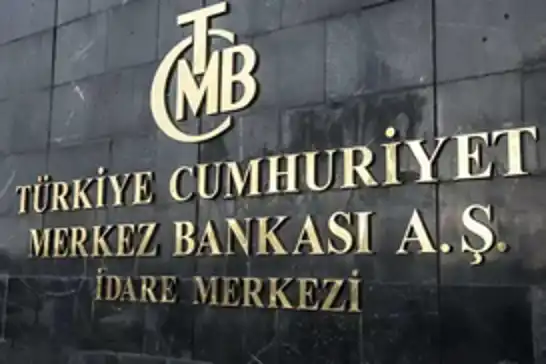
The Monetary Policy Committee (MPC) of the Central Bank of the Republic of Türkiye (CBRT) decided on Thursday to maintain its key policy rate at 37 percent, leaving borrowing costs unchanged as it continues its tight monetary policy stance to combat inflation.
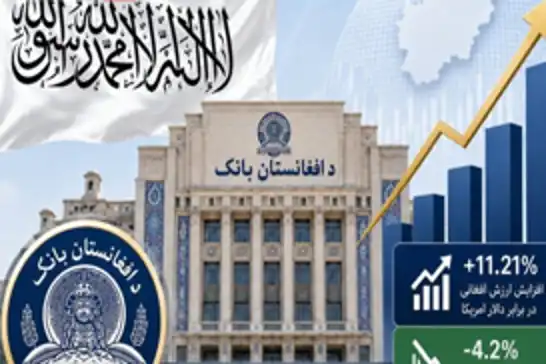
Afghanistan’s economy demonstrated notable resilience during the 2024–25 financial period, with official indicators showing an 11.21% appreciation of the national currency against the U.S. dollar alongside a 4.2% decline in consumer prices