Türkiye's Central Bank reserves climb by $221 million as gold holdings increase
 13 oC
13 oC 
Güneşli

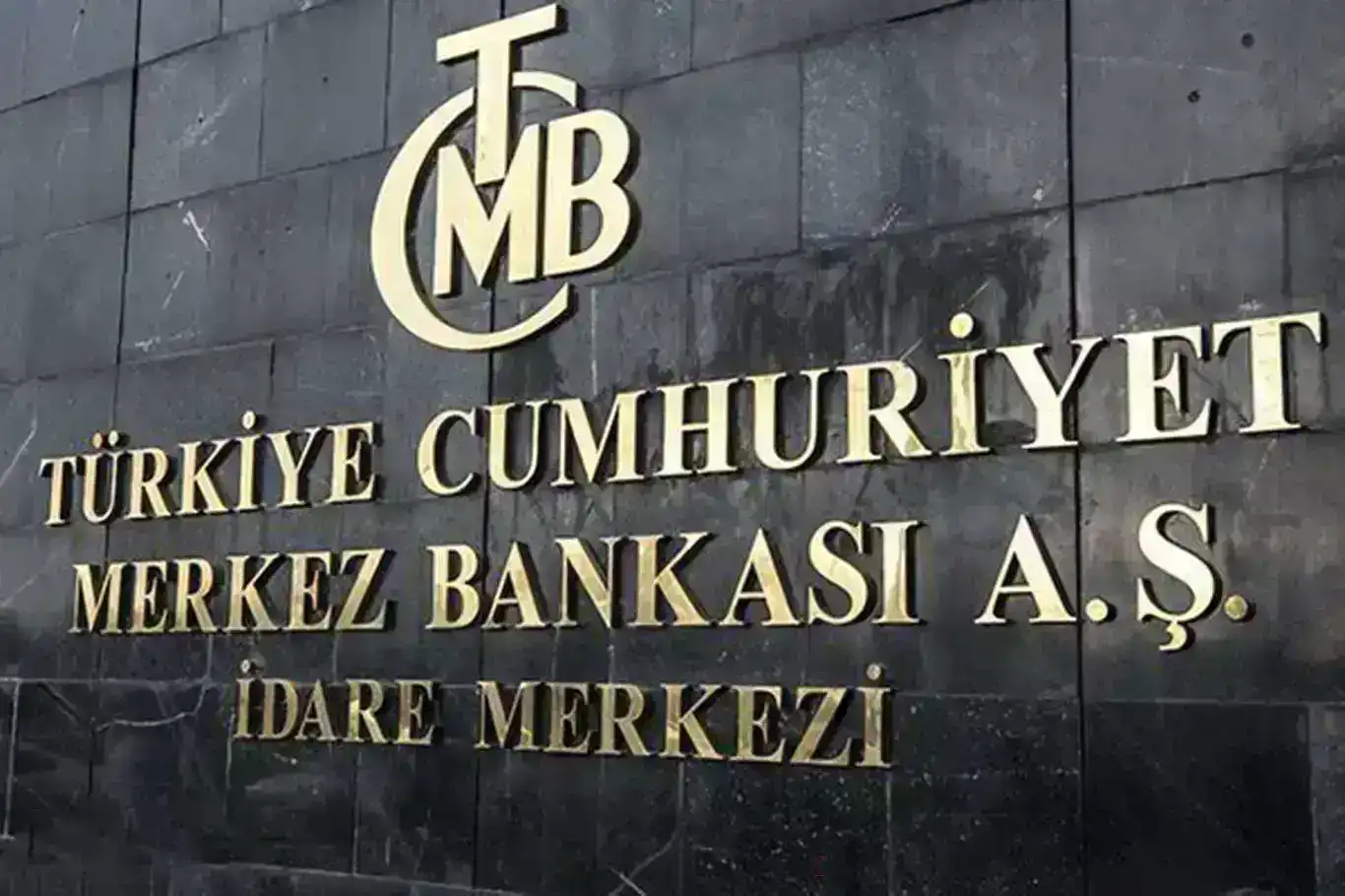
The Central Bank of the Republic of Türkiye (CBRT) released its latest Weekly Money and Banking Statistics report, showing a moderate increase in its total reserves for the week ending on November 1.
According to the data, CBRT’s total reserves rose by $221 million, reaching $159.619 billion. This growth was driven primarily by an increase in gold reserves, which saw a boost of $720 million during the week, rising from $65.894 billion to $66.614 billion.
In contrast, gross foreign exchange reserves decreased by $499 million, from $93.504 billion to $93.005 billion. Despite the drop in foreign exchange holdings, the overall increase in gold reserves contributed positively to the CBRT's total reserve levels.
The report highlights Türkiye's evolving reserve composition, with an emphasis on bolstering gold assets amid a slight reduction in foreign exchange reserves. The CBRT continues to monitor and adjust its reserve allocations as part of its broader financial strategy. (ILKHA)
LEGAL WARNING: All rights of the published news, photos and videos are reserved by İlke Haber Ajansı Basın Yayın San. Trade A.Ş. Under no circumstances can all or part of the news, photos and videos be used without a written contract or subscription.

The Central Bank of the Republic of Türkiye (CBRT) has cut its benchmark one-week repo rate by 100 basis points to 36% from 37%, citing signs of easing underlying inflationary pressures and weak domestic demand.

Türkiye’s consumer confidence index fell by 7.7% in October, dropping to 84.8 from 91.9 in September, according to data released by the Turkish Statistical Institute (TurkStat) on Thursday.
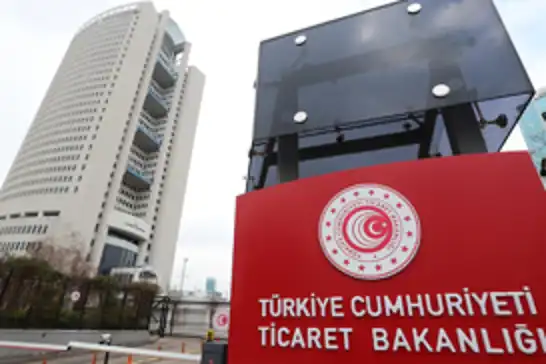
Türkiye has called on the European Union to ensure that its proposed "Made in EU" policy takes into account the Customs Union and integrated production networks between the two sides, following a high-level meeting with representatives of the country's automotive industry.

Türkiye’s Non-Domestic Producer Price Index (ND-PPI) rose by 33.64% year-on-year and 2.82% month-on-month in September 2026, according to data released by the Turkish Statistical Institute (TurkStat) on Tuesday.