Hezbollah blames Israel for deadly cyberattack in Lebanon, vows retaliation
 13 oC

Güneşli

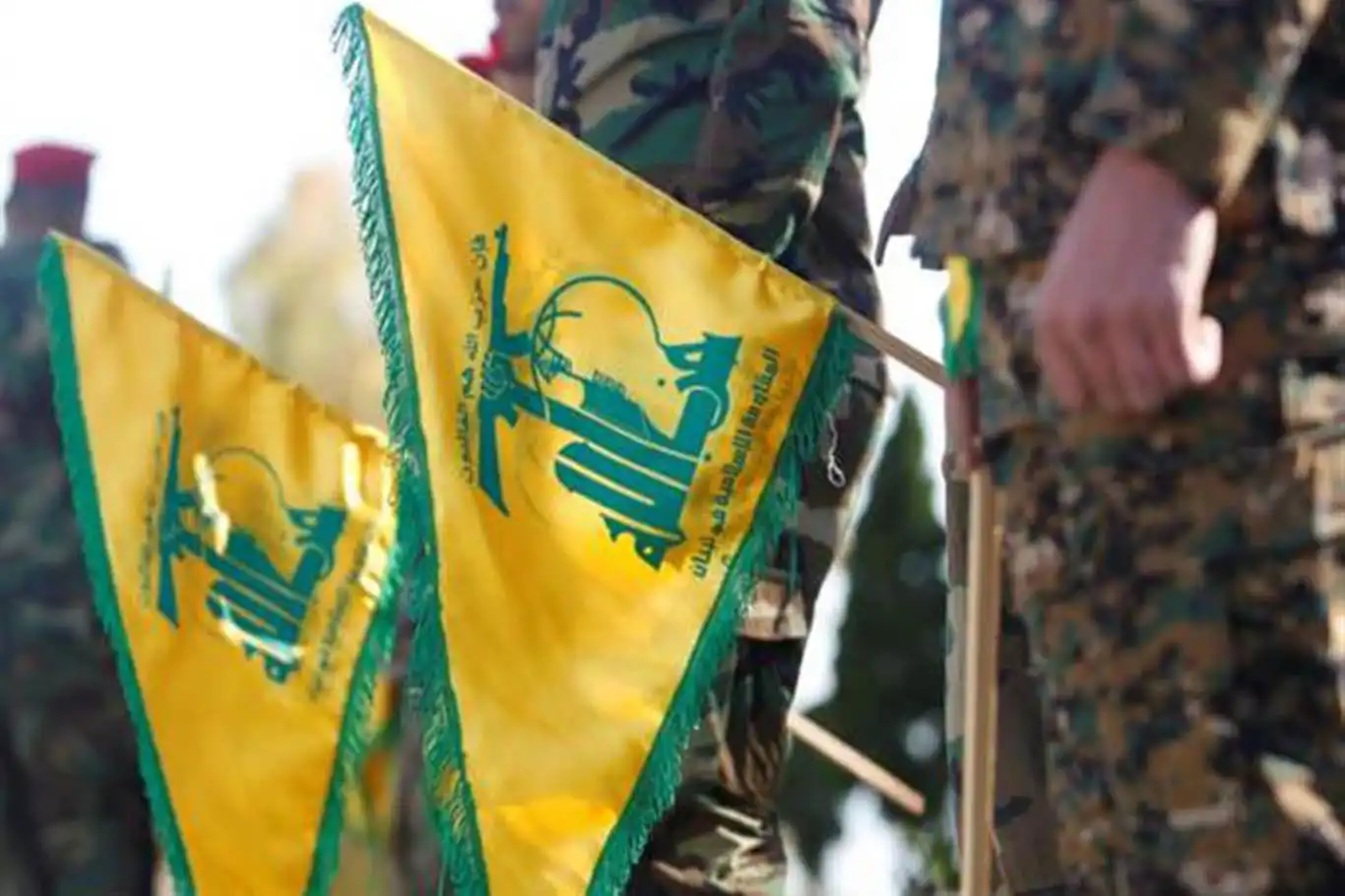
Hezbollah has officially accused Israel of orchestrating a cyberattack that led to a series of devastating pager explosions across Lebanon, leaving hundreds injured and several dead.
According to a statement released by the Islamic Resistance earlier on Tuesday, the group held the Israeli occupation fully responsible for the "treacherous aggression" after concluding an internal investigation and analyzing the available data.
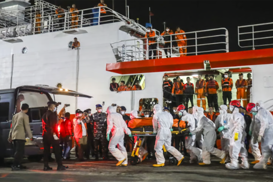
Hezbollah confirmed that the explosions, which affected multiple areas in the country, were the result of an Israeli cyberattack. The attacks left eight people dead, including a 10-year-old girl and two Hezbollah members, with an additional 2,750 people injured, 200 of whom remain in critical condition across 100 hospitals, according to Lebanon's Health Minister.
The Lebanese Resistance pledged to avenge the attack, warning that Israel would face retribution in ways "both expected and unforeseen." In its statement, Hezbollah emphasized that the attack would only strengthen the movement's resolve to support the Palestinian cause and continue its fight against Israeli aggression, particularly in solidarity with Gaza, the West Bank, and al-Quds (Jerusalem).
"The treacherous and criminal enemy will undoubtedly face its just punishment for this heinous attack," Hezbollah declared, promising a response that the Israeli occupation "cannot estimate or anticipate."
The explosions were the result of a major security breach involving pager devices used by Hezbollah members. This incident has intensified tensions in the region, as Hezbollah vowed to retaliate against the "heinous" act of aggression. (ILKHA)
LEGAL WARNING: All rights of the published news, photos and videos are reserved by İlke Haber Ajansı Basın Yayın San. Trade A.Ş. Under no circumstances can all or part of the news, photos and videos be used without a written contract or subscription.

Japanese Prime Minister Sanae Takaichi has pledged to strengthen Japan's financial support for the International Criminal Court (ICC) following US sanctions against the international tribunal.
Afghanistan's Minister of Rural Rehabilitation and Development, Mullah Abdul Latif Mansoor, has called on the United Nations to prioritize communities facing the greatest hardships when implementing humanitarian and development projects across the country.
Canadian Defense Minister David McGuinty has reaffirmed Canada's sovereignty, saying Ottawa answers to no one in Washington, after the Pentagon criticized the country for failing to adequately strengthen its defense capabilities and meet NATO spending commitments.
Turkish Parliament Speaker Numan Kurtulmuş has highlighted the role of the Turkish community in Australia in challenging anti-Muslim and anti-immigrant prejudice, saying that Turkish citizens have a responsibility to promote their cultural and human values while contributing positively to the societies in which they live.