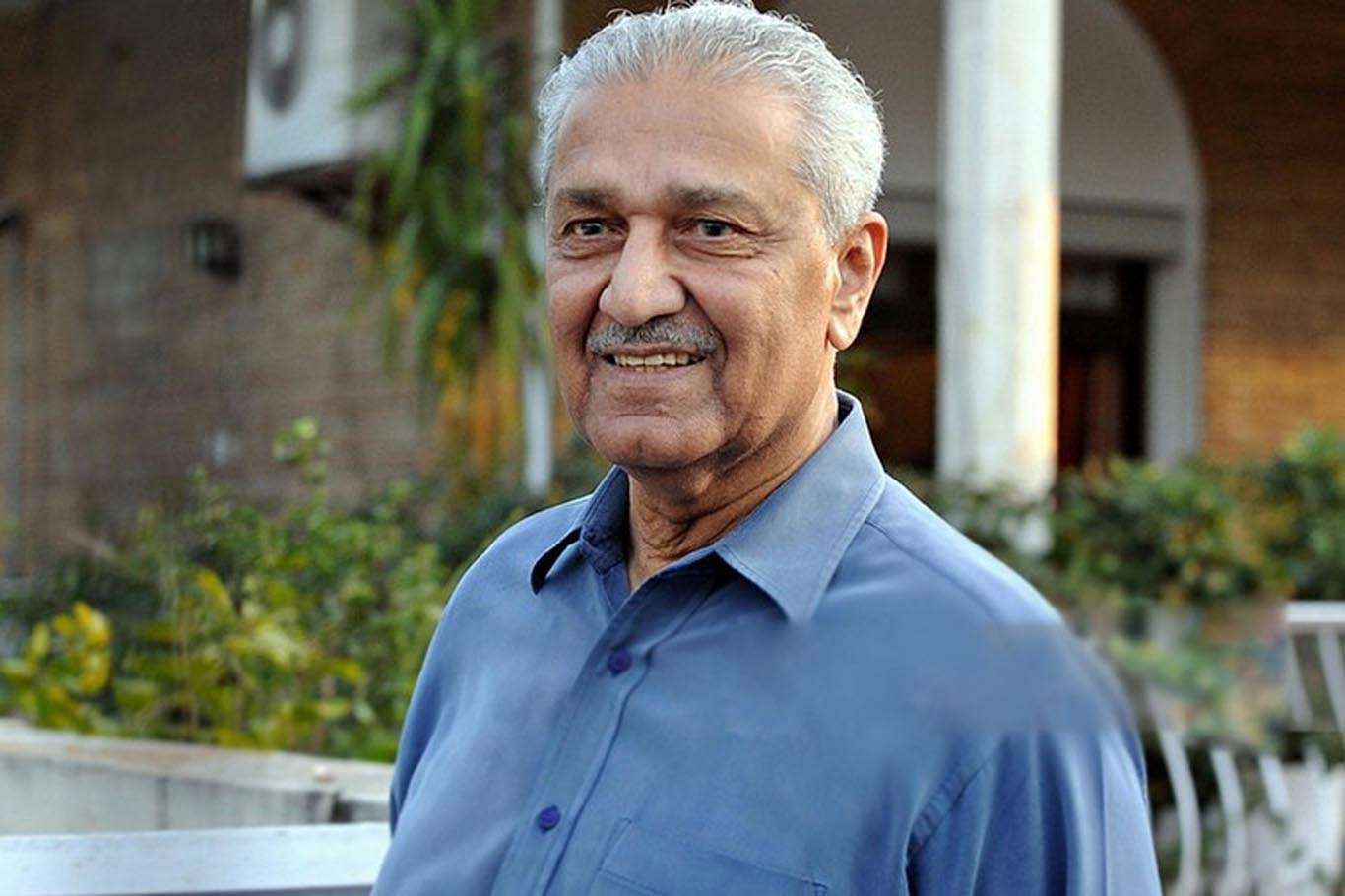
Pakistan's nuclear scientist AQ Khan passes away at age of 85
 13 oC
13 oC 
Güneşli

Nuclear scientist Dr. Abdul Qadeer Khan, who was considered the father of Pakistan's nuclear program, passed away on Sunday.
According to local reports, Khan died in an Islamabad hospital where he was admitted after he experienced discomfort in breathing. He reportedly died due to lung problems.
Abdul Qadeer Khan, known as A. Q. Khan, was a Pakistani nuclear physicist and metallurgical engineer who is colloquially known as the “father of Pakistan's atomic weapons program”.
Though, Khan is celebrated in Pakistan for bringing balance to the South Asian region after India's nuclear tests; he is also noted for both his scientific ability and his difficult interpersonal relations.
An émigré from India who migrated to Pakistan in 1951, Khan was educated in Western Europe's technical universities from metallurgical engineering department where he pioneered studies in phase transitions of metallic alloys, uranium metallurgy, and isotope separation based on gas centrifuges.
After learning of India's 'Smiling Buddha' nuclear test in 1974, Khan joined his nation's clandestine efforts to develop atomic weapons when he founded the Khan Research Laboratories (KRL) in 1976 and was both its chief scientist and director for many years. (ILKHA)
LEGAL WARNING: All rights of the published news, photos and videos are reserved by İlke Haber Ajansı Basın Yayın San. Trade A.Ş. Under no circumstances can all or part of the news, photos and videos be used without a written contract or subscription.

Deputy Chairman of the Russian Security Council Dmitry Medvedev has claimed that Israel is actively working to undermine a newly signed agreement between Iran and the United States, describing the pact as evidence of Washington’s failure to achieve its military objectives against Tehran.
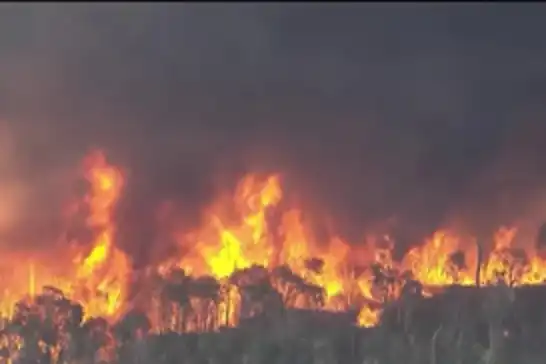
Multiple wildfires continue to burn in Florida's Miami-Dade County, scorching thousands of hectares of land and prompting road closures as firefighters work to contain the blazes.

Bolivian President Rodrigo Paz declared a state of emergency aimed at restoring transportation networks after weeks of road blockades disrupted the movement of fuel, food and medical supplies across parts of the country.

Two roadside blasts triggered by improvised explosive devices (IEDs) killed at least seven people in Pakistan’s northwestern Khyber Pakhtunkhwa province on Saturday, authorities said.