Petro accuses U.S. of killing Colombians in Caribbean strikes
 13 oC
13 oC 
Güneşli

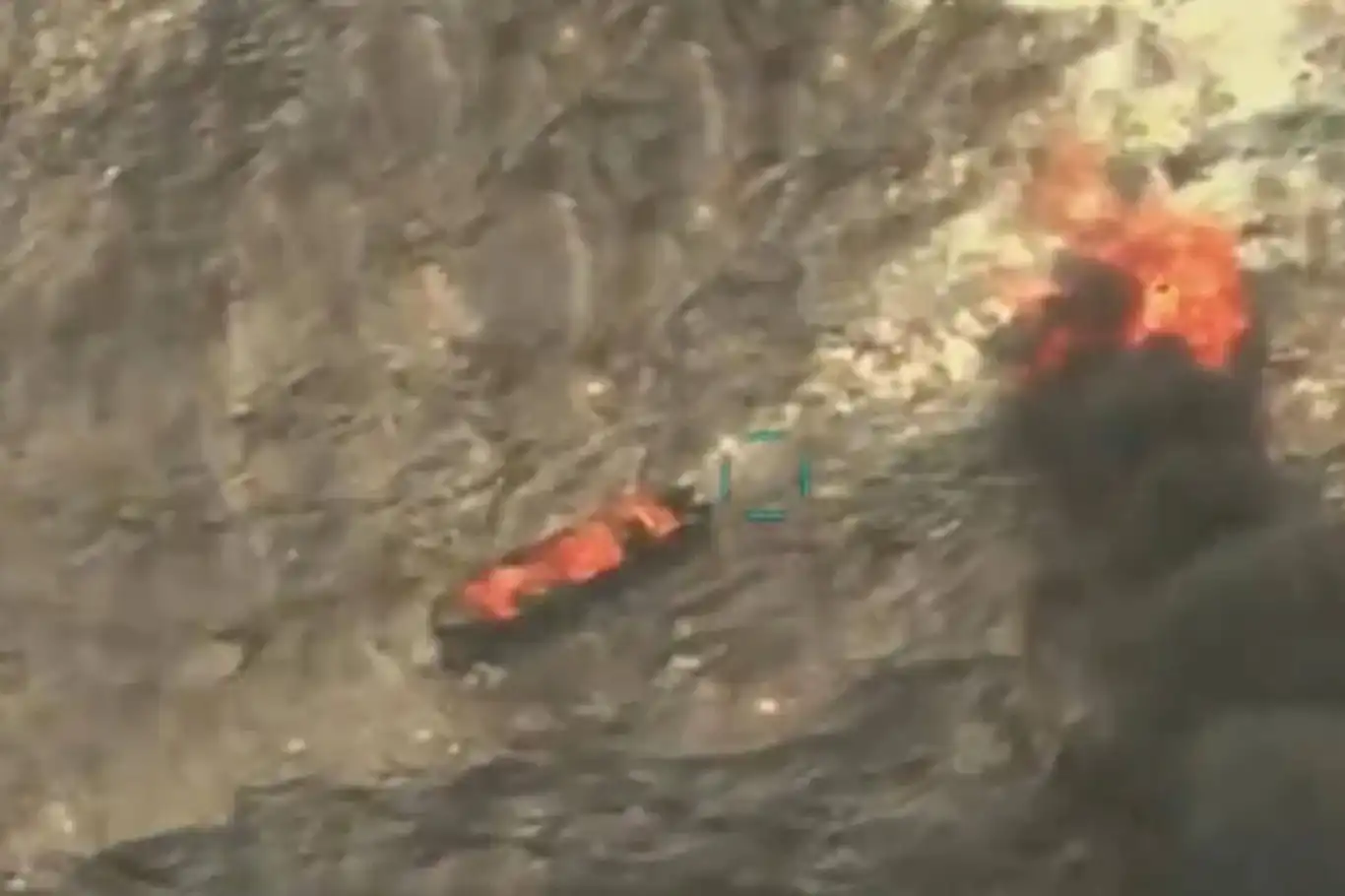
Colombian President Gustavo Petro has sharply criticized the United States over recent aerial strikes in the Caribbean Sea, stating that US forces have killed Colombian citizens while targeting suspected drug trafficking boats.
In a statement on his official X account Wednesday night, Petro said, “A new theatre of war has opened up: the Caribbean,” referring to at least four US strikes launched since early September. The first strike reportedly killed 11 people. Petro claimed that the most recent boat destroyed by US forces was Colombian and had Colombian nationals on board, though he did not provide further evidence.
“I hope their families come forward to report this,” Petro added, emphasizing his concern for the victims’ identities and accountability.
According to Pentagon officials, US defense secretary Pete Hegseth stated that four “narco-terrorists” were killed in international waters off Venezuela while transporting substantial amounts of US-bound narcotics. However, the US has not released the names of those killed, nor provided independent proof of their involvement in drug trafficking. Two US officials speaking off the record confirmed to the New York Times that Colombians were aboard at least one of the recently targeted boats.
Since the US began strikes in the Caribbean, at least 21 people are reported to have died. Petro has urged the White House to release the names of those killed, stating, “so I can see if my information is unfounded.”
The strikes form part of a larger US military buildup in the Caribbean, which has raised concerns among regional observers about the true objectives of the operation. The White House maintains that the campaign targets Venezuelan narco-trafficking groups accused of supplying cocaine to the US.
However, former White House Latin America official Juan González suggested to CNN that the deployment of warships and thousands of marines near Venezuela is “vastly disproportionate to any real counter-narcotics mission” and may instead signal preparations for regime change against President Nicolás Maduro.
Venezuela’s leadership has responded with heightened vigilance. Maduro warned on Wednesday that his troops are preparing for potential attacks, while Defense Minister Vladimir Padrino López cited the risk of drone strikes, air campaigns, sabotage, or targeted assassinations by US forces.
Petro framed the US military actions as broader geopolitical aggression, writing that “the war” in the Caribbean is not about drugs but about oil, of which Venezuela has the world’s largest reserves. “The world must stop this. This aggression is aimed at the whole of Latin America and the Caribbean,” he said.
The accusations have escalated tensions between Bogotá and Washington, with the White House reportedly demanding that Petro retract his “baseless and reprehensible statement.” The dispute underscores growing unease in the region over US military operations in Latin America and their potential impact on civilians. (ILKHA)
LEGAL WARNING: All rights of the published news, photos and videos are reserved by İlke Haber Ajansı Basın Yayın San. Trade A.Ş. Under no circumstances can all or part of the news, photos and videos be used without a written contract or subscription.
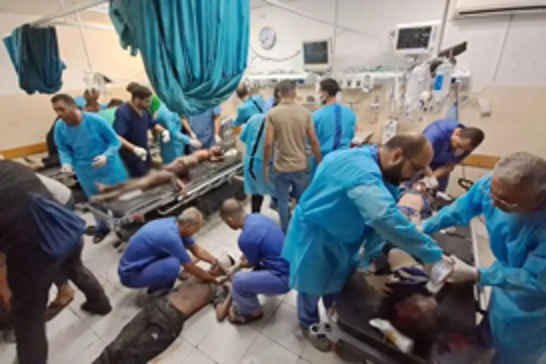
The Gaza Ministry of Health has warned of an unprecedented humanitarian disaster as essential medical supplies across the besieged Gaza Strip have virtually run out under Israel’s ongoing blockade.
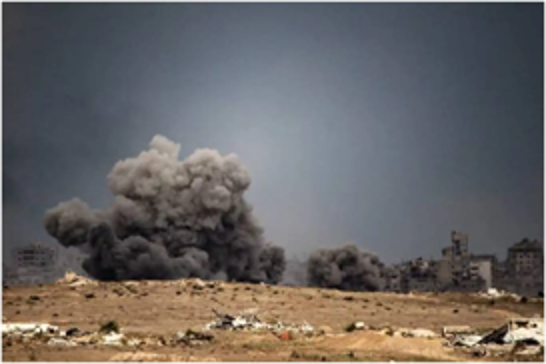
Israeli occupation forces continued large-scale demolitions and artillery shelling in Khan Younis, in southern Gaza, amid ongoing violations of the ceasefire, local sources reported.
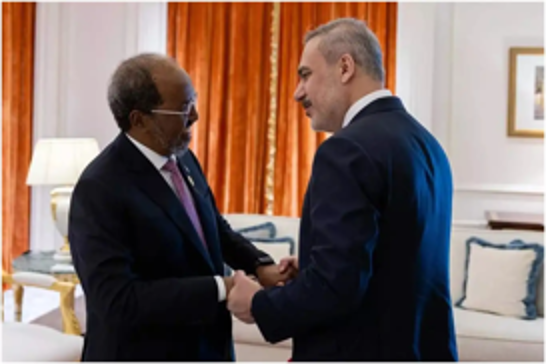
Türkiye’s Minister of Foreign Affairs Hakan Fidan held a high-level meeting with Hassan Sheikh Mohamud, President of the Federal Republic of Somalia, on the margins of the Doha Forum, diplomatic sources said.
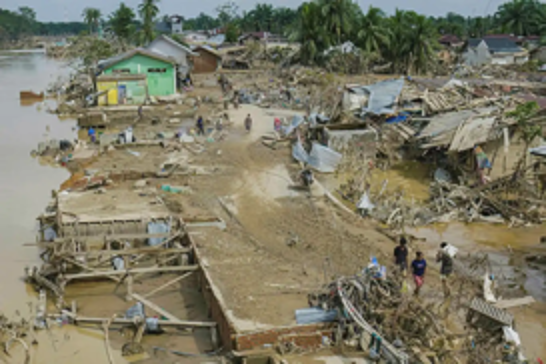
The death toll from devastating floods, landslides, storms and cyclones across several Asian countries has climbed above 1,700, with hundreds of people still missing, as rescue teams race against time to reach isolated communities.