UK imposes fresh sanctions on Russia
 13 oC
13 oC 
Güneşli

The United Kingdom has announced a new wave of sanctions targeting Russia and its affiliated mercenary groups. The move aims to further cripple Russia's war machine and its global influence.
The Foreign, Commonwealth and Development Office (FCDO) has designated 56 individuals and entities, including the Wagner Group's successor, Africa Corps, and other Russian mercenary groups operating in Africa. These groups have been accused of human rights abuses and destabilizing activities in countries like Libya, Mali, and the Central African Republic.
The UK has also targeted companies in China, Turkey, and Central Asia involved in supplying critical components for Russia's military, such as microelectronics and drone parts. Additionally, a Russian intelligence officer linked to the 2018 Novichok poisoning in Salisbury, UK, has been sanctioned.
Foreign Secretary David Lammy emphasized the UK's commitment to countering Russia's aggressive foreign policy and disrupting its supply chains. These sanctions are part of a broader effort by the UK and its allies to isolate Russia and weaken its military capabilities.
As Russia faces increasing international pressure and economic sanctions, it has turned to Africa to expand its influence and secure resources. However, the UK's latest sanctions aim to hinder these efforts and limit Russia's ability to project power globally. (ILKHA)
LEGAL WARNING: All rights of the published news, photos and videos are reserved by İlke Haber Ajansı Basın Yayın San. Trade A.Ş. Under no circumstances can all or part of the news, photos and videos be used without a written contract or subscription.
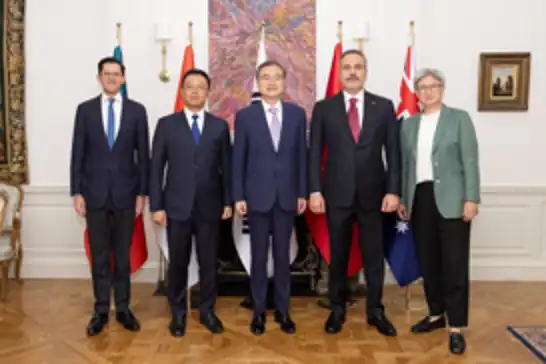
Turkish Foreign Minister Hakan Fidan attended the 30th MIKTA Foreign Ministers’ Meeting on the sidelines of the 81st session of the United Nations General Assembly (UNGA) in New York.
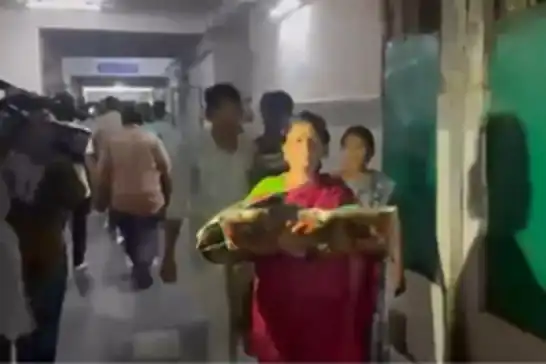
Three babies were killed and several hospital staff members were injured after a fire broke out in the neonatal care unit of a government hospital in India's southern Telangana state.
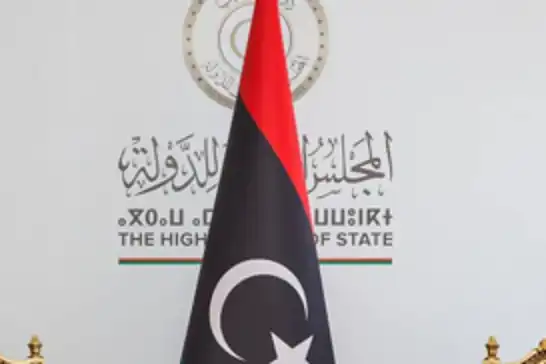
Libya's High Council of State and several political parties have rejected the outcomes of the “4+4” election committee, saying the committee’s conclusions cannot override Libya’s constitutional declaration, existing laws and the authority of legitimate state institutions.
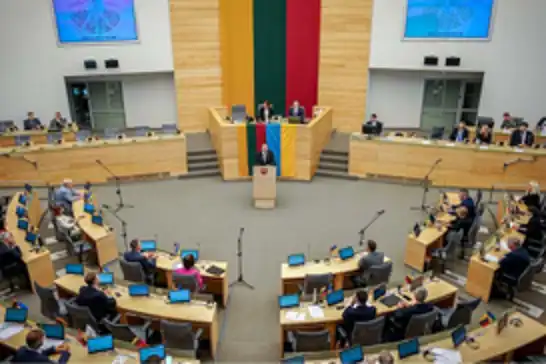
Lithuania's parliament has advanced a proposal to remove a constitutional restriction that currently prohibits the deployment of nuclear weapons and foreign military bases on its territory, as the Baltic NATO member seeks to strengthen its role in the alliance's collective deterrence system.