Ankara targets 120,000 MW solar and wind capacity by 2035
 13 oC
13 oC 
Güneşli

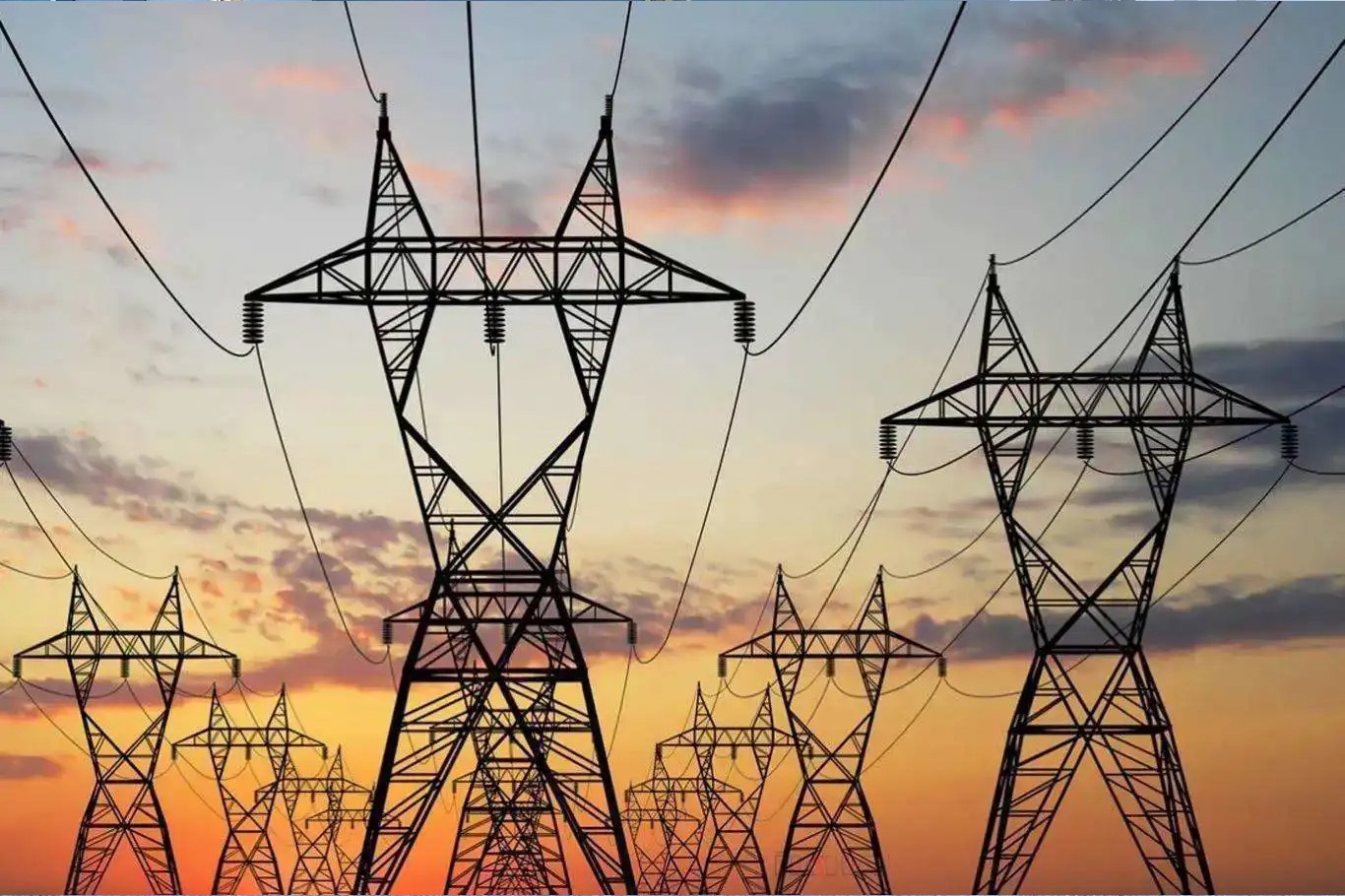
Solar and wind energy now account for roughly one-third of Türkiye’s total installed electricity capacity, marking a significant milestone in the country’s renewable energy transition, according to new data released Monday by the Energy and Natural Resources Ministry.
The ministry said Türkiye’s total installed electricity capacity reached 123,284 megawatts (MW) by the end of January, with solar and wind power contributing 40,689 MW, or about 33% of the overall capacity.
Energy and Natural Resources Minister Alparslan Bayraktar said the government is aiming to nearly triple combined solar and wind capacity to 120,000 MW by 2035, adding that current levels represent approximately one-third of that long-term target.
Bayraktar said the expansion of renewables is central to Türkiye’s strategy to diversify its energy mix, enhance supply security, and reduce reliance on imported fossil fuels — a key vulnerability for the energy-importing country.
Türkiye has long depended on imported natural gas, coal, and oil to meet its growing electricity demand. By scaling up domestic renewable resources, Ankara aims to curb its energy import bill, stabilize prices, and support its climate commitments.
Under its updated national energy roadmap, Türkiye is also expanding grid modernization, energy storage investments, and transmission infrastructure to better integrate intermittent renewable sources such as wind and solar.
As part of its latest push, Türkiye and Saudi Arabia signed agreements last week to build solar power plants in central and southern Anatolia with a total investment of $2 billion.
Bayraktar said the intergovernmental projects will significantly boost installed solar capacity and strengthen energy supply security. The plants are expected to come online in phases over the next several years, contributing thousands of additional megawatts to the national grid.
Officials say the cooperation reflects growing energy ties between Ankara and Riyadh, particularly in renewables and green technologies.
Recent data from the ministry indicates that solar power has been the fastest-growing segment in Türkiye’s electricity mix. Rooftop solar installations and large-scale solar farms in provinces such as Konya, Karaman, and Şanlıurfa have expanded rapidly, driven by supportive licensing frameworks and incentive schemes.
Wind power, concentrated mainly in the Aegean and Marmara regions, has also continued to grow steadily, supported by competitive renewable energy auctions (YEKA tenders).
Hydropower remains another major renewable pillar, though its contribution fluctuates seasonally depending on rainfall.
Türkiye has pledged to reach net-zero emissions by 2053 and sees renewable expansion as essential to achieving that objective. In addition to solar and wind, the government is investing in offshore wind feasibility studies, green hydrogen pilot projects, and battery storage systems.
At the same time, Türkiye is pursuing its ambition to become a regional energy hub, leveraging its geographic position between Europe, Asia, and the Middle East. Officials say expanding domestic renewable capacity strengthens that ambition by increasing resilience and reducing external dependency.
With renewables now accounting for a third of installed capacity — and new projects in the pipeline — energy analysts say Türkiye is entering a decisive phase in its long-term transformation toward cleaner and more secure power generation. (ILKHA)
LEGAL WARNING: All rights of the published news, photos and videos are reserved by İlke Haber Ajansı Basın Yayın San. Trade A.Ş. Under no circumstances can all or part of the news, photos and videos be used without a written contract or subscription.
Turkish President Recep Tayyip Erdoğan has said that participation finance represents a more just and secure economic model not only for Muslim countries but for the global financial system as a whole.

Türkiye's Treasury and Finance Minister Mehmet Şimşek said inflation continued its downward trend in May, with consumer prices rising 1.7 percent on a monthly basis and 32.6 percent annually, according to the latest official data.

Turkish annual inflation rose to 32.61% in May, while monthly consumer prices increased by 1.71%, data from the Turkish Statistical Institute showed on Friday.

Türkiye’s trade deficit narrowed to its lowest level in nine months in May, as a sharper decline in imports offset weaker export performance, according to data released by the Ministry of Trade.