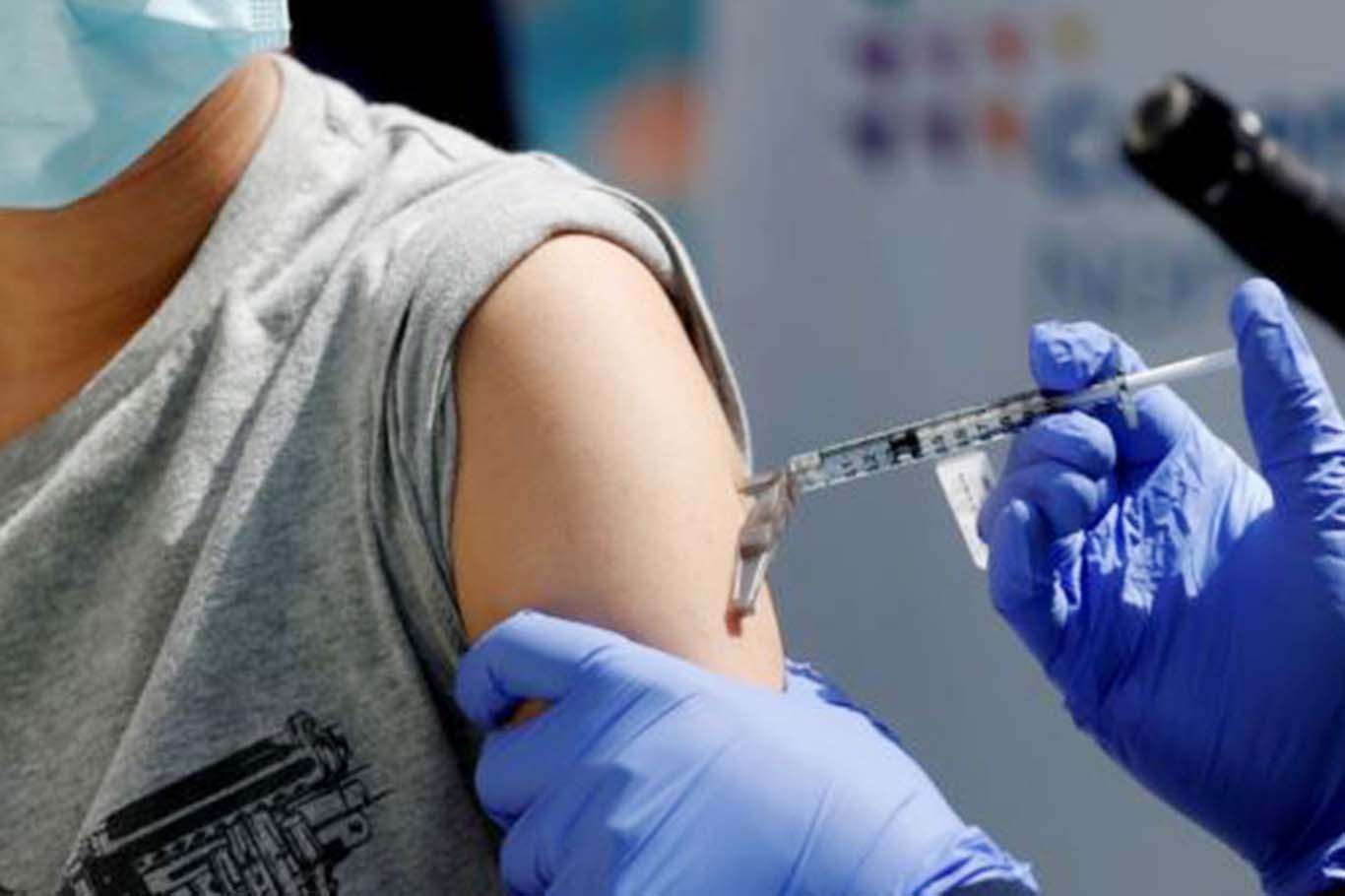
Pfizer announces positive results from trial of COVID-19 vaccine in children 5 to 11 years
 13 oC
13 oC 
Güneşli

“In participants 5 to 11 years of age, the vaccine was safe, well-tolerated and showed robust neutralizing antibody responses,” the company said.
Pfizer announced on Monday results from a Phase 2/3 trial showing a favorable safety profile and robust neutralizing antibody responses in children 5 to 11 years of age using a two-dose regimen of 10 µg administered 21 days apart, a smaller dose than the 30-µg dose used for people 12 and older.
“The antibody responses in the participants given 10 µg doses were comparable to those recorded in a previous Pfizer-BioNTech study in people 16 to 25 years of age immunized with 30 µg doses. The 10 µg dose was carefully selected as the preferred dose for safety, tolerability, and immunogenicity in children 5 to 11 years of age. These are the first results from a pivotal trial of a COVID-19 vaccine in this age group,” the company said.
“Over the past nine months, hundreds of millions of people ages 12 and older from around the world have received our COVID-19 vaccine. We are eager to extend the protection afforded by the vaccine to this younger population, subject to regulatory authorization, especially as we track the spread of the Delta variant and the substantial threat it poses to children,” said Albert Bourla, Chairman and Chief Executive Officer, Pfizer. “Since July, pediatric cases of COVID-19 have risen by about 240 percent in the U.S. – underscoring the public health need for vaccination. These trial results provide a strong foundation for seeking authorization of our vaccine for children 5 to 11 years old, and we plan to submit them to the FDA and other regulators with urgency.”
“We are pleased to be able to submit data to regulatory authorities for this group of school-aged children before the start of the winter season,” said Dr. Ugur Sahin, CEO, and co-founder of BioNTech. “The safety profile and immunogenicity data in children aged 5 to 11 years vaccinated at a lower dose are consistent with those we have observed with our vaccine in other older populations at a higher dose.” (ILKHA)
LEGAL WARNING: All rights of the published news, photos and videos are reserved by İlke Haber Ajansı Basın Yayın San. Trade A.Ş. Under no circumstances can all or part of the news, photos and videos be used without a written contract or subscription.
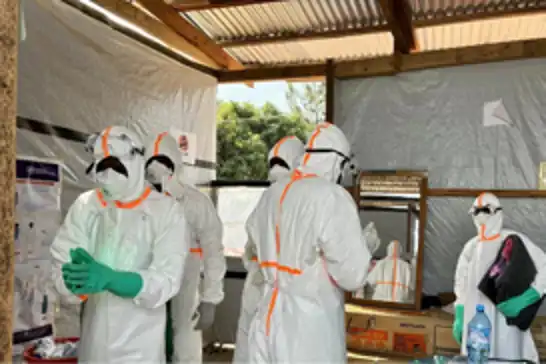
The Democratic Republic of Congo (DRC) has recorded more than 8,000 confirmed Ebola cases and nearly 4,000 deaths in the country’s largest-ever Ebola outbreak, according to the latest data from Congolese health authorities.
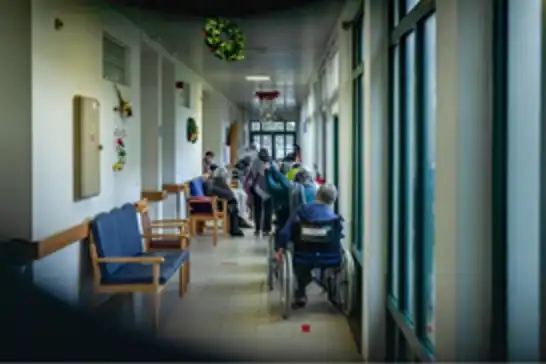
Five elderly residents have died at a care home in southern Portugal amid an outbreak of Influenza A, with health authorities continuing to monitor the situation and prosecutors investigating the deaths.

Türkiye has recovered 90 million tons of recyclable waste since launching its Zero Waste Movement in 2017, increasing its national recovery rate to 37.53% in 2025 from 13% at the start of the programme, Environment, Urbanization and Climate Change Minister Murat Kurum said.

A persistent outbreak of gastroenteritis on the Greek island of Rhodes has resulted in 1,384 hospital presentations over 40 days, with health authorities still investigating the cause as daily admissions remain high.