Türkiye’s population reaches 86.09 million in 2025, TurkStat announces
 13 oC
13 oC 
Güneşli

Türkiye’s population rose to 86 million 92 thousand 168 as of 31 December 2025, marking an increase of 427 thousand 224 people compared with the previous year, according to figures released by the Turkish Statistical Institute (TurkStat) on Monday.
The data, compiled through the Address Based Population Registration System (ABPRS), showed that the male population stood at 43 million 59 thousand 434, while the female population reached 43 million 32 thousand 734. Men accounted for 50.02 percent of the total population, while women made up 49.98 percent.
Türkiye’s annual population growth rate increased to 5 per thousand in 2025, up from 3.4 per thousand in 2024, signaling a renewed acceleration in demographic growth after recent years of slowdown.
The number of foreign residents in Türkiye also rose, increasing by 38 thousand 968 to reach 1 million 519 thousand 515. Of this population, 49.3 percent were male and 50.7 percent were female.
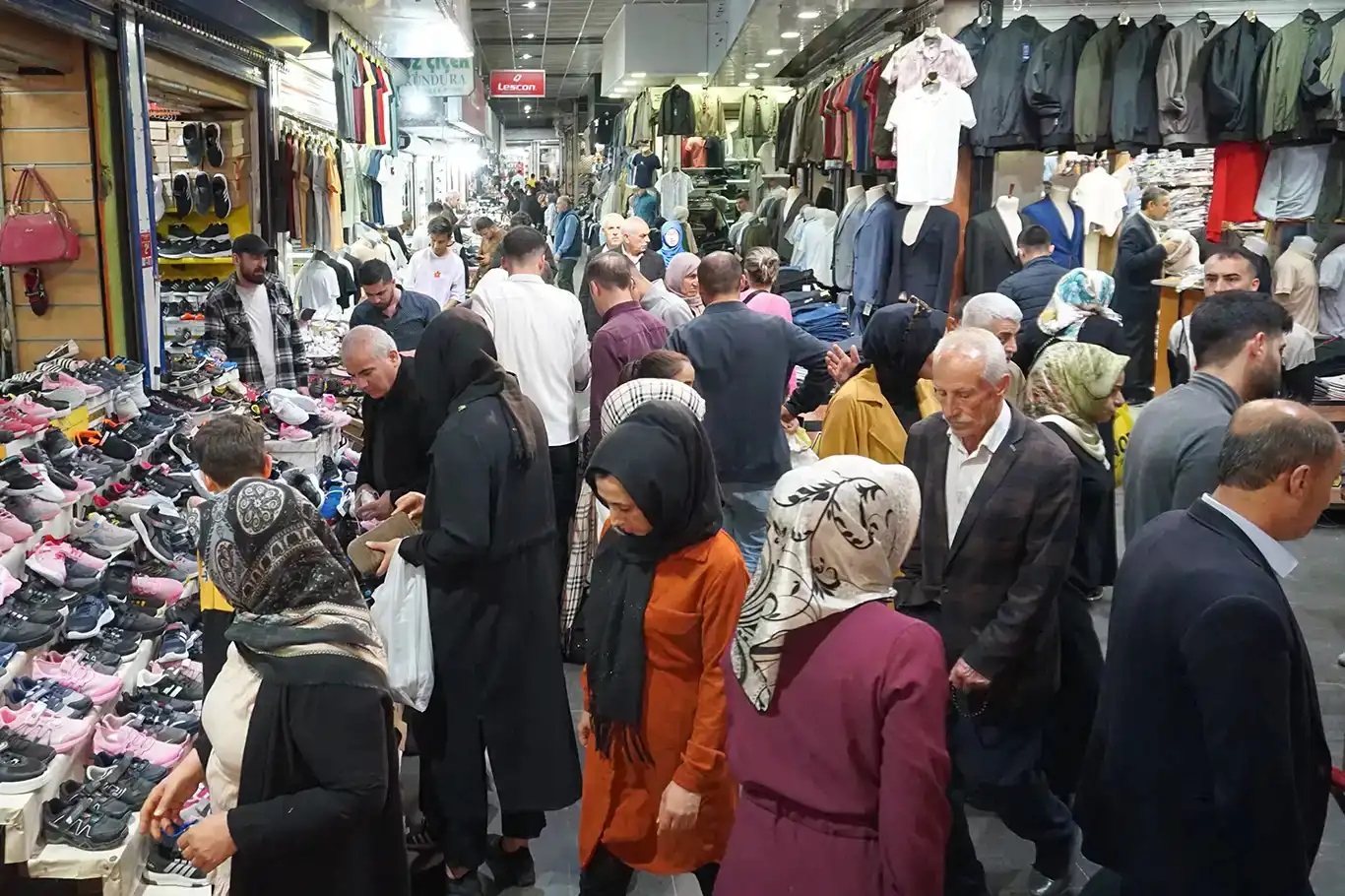
Urbanization trends continued in 2025. The proportion of the population living in province and district centers rose from 93.4 percent in 2024 to 93.6 percent, while the share of those residing in towns and villages declined to 6.4 percent.
Under the newly introduced Spatial Address Registration System (SARS) classification, 67.5 percent of the population lived in densely populated areas, 15.8 percent in intermediate-density areas, and 16.8 percent in thinly populated areas, offering a more precise reflection of Türkiye’s urban–rural structure.
While 40 provinces recorded population declines in 2024, the number fell to 33 provinces in 2025, indicating a partial reversal of depopulation trends.
İstanbul remained Türkiye’s most populous city, with its population increasing by 52 thousand 451 to reach 15 million 754 thousand 53, accounting for 18.3 percent of the country’s total population. İstanbul was followed by Ankara with 5 million 910 thousand 320, İzmir with 4 million 504 thousand 185, Bursa with 3 million 263 thousand 11, and Antalya with 2 million 777 thousand 677 inhabitants.
At the other end of the scale, Bayburt was the least populated province with 82 thousand 836 residents, followed by Tunceli, Ardahan, Gümüşhane, and Kilis.
For the first time in Türkiye’s history, a district’s population exceeded one million. Esenyurt, a district of İstanbul, ranked first with 1 million 3 thousand 905 residents. It was followed by Şahinbey in Gaziantep, Çankaya and Keçiören in Ankara, and Şehitkamil in Gaziantep.
TurkStat data revealed that structural changes in Türkiye’s population pyramid continued, driven by declining fertility and mortality rates.
The median age of the population increased from 34.4 in 2024 to 34.9 in 2025. Median age rose to 34.2 for males and 35.7 for females. Provincially, Sinop recorded the highest median age at 44, while Şanlıurfa had the lowest at 21.8.
Sinop ranked highest for both male and female median ages, while Şanlıurfa recorded the youngest population structure for both sexes.
The share of the working-age population (15–64) increased to 68.5 percent in 2025, up from 66.5 percent in 2007. In contrast, the child population (0–14) declined to 20.4 percent, while the population aged 65 and over rose to 11.1 percent.
The total age dependency ratio slightly decreased to 46 percent, with child dependency falling and elderly dependency rising. In practical terms, every 100 working-age individuals supported 29.7 children and 16.2 elderly people in 2025.
Türkiye’s overall population density reached 112 people per square kilometer. İstanbul remained the most densely populated province with 2,943 people per square kilometer, followed by Kocaeli and Yalova.
Conversely, Tunceli recorded the lowest population density with just 11 people per square kilometer, while Konya, despite having the largest surface area, had a density of 59.
The latest figures underline Türkiye’s continuing urbanization, shifting regional demographics, and the steady aging of its population, trends expected to shape social and economic policy in the years ahead. (ILKHA)
LEGAL WARNING: All rights of the published news, photos and videos are reserved by İlke Haber Ajansı Basın Yayın San. Trade A.Ş. Under no circumstances can all or part of the news, photos and videos be used without a written contract or subscription.

Endangered yellow-spotted salamanders, an endemic species native to Türkiye and considered vulnerable to various environmental threats, have been spotted on Mount Mereto in the Sason district of Batman province.

Young children are disproportionately affected by unsafe food, with new World Health Organization (WHO) estimates revealing that contaminated food causes approximately 866 million illnesses and 1.5 million deaths worldwide each year.

Health experts are warning that the ongoing Ebola outbreak in the Democratic Republic of Congo (DRC) and Uganda could become one of the largest Ebola epidemics in modern history unless urgent international intervention is expanded.

Obesity rates in Türkiye have continued to rise, with new official data showing that more than one in five adults is now classified as obese, while physical inactivity remains widespread and tobacco consumption is increasing.