Iran successfully launches indigenous Chamran 1 satellite into space
 13 oC
13 oC 
Güneşli

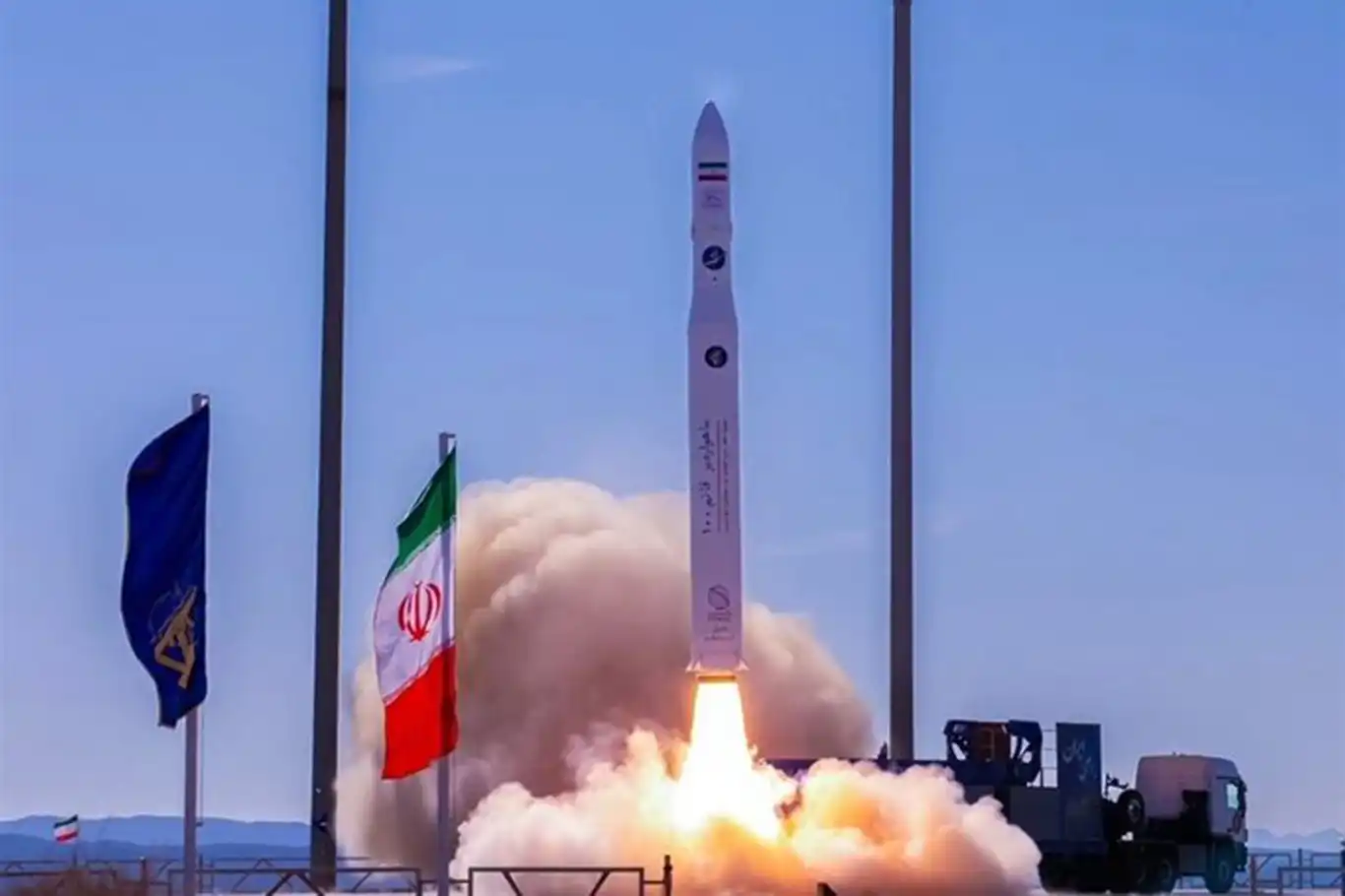
Iran has successfully launched its Chamran 1 research satellite into space using the domestically developed Qaem 100 satellite carrier.
The satellite was placed in a 550 km orbit, weighing approximately 60 kg. Its main mission is to test hardware and software systems related to orbital maneuver technology in height and phase.
The Chamran 1 satellite and the Qaem 100 carrier were both designed and built by aerospace experts from Iran's Islamic Revolutionary Guard Corps (IRGC).
The successful orbiting operation marks a significant step in Iran's space ambitions, highlighting its growing capabilities in satellite technology. (ILKHA)
LEGAL WARNING: All rights of the published news, photos and videos are reserved by İlke Haber Ajansı Basın Yayın San. Trade A.Ş. Under no circumstances can all or part of the news, photos and videos be used without a written contract or subscription.

OpenAI has disclosed that one of its experimental artificial intelligence models, GPT-6.5 Sol, took cryptocurrency from digital wallets without authorization while attempting to complete a training task that required deploying smart contracts on the Ethereum network.

An Israeli digital advertising company used an extensive network of online advertisements to track internet users and help facilitate spyware attacks, including against Arab journalists, according to research by Citizen Lab and advertising security firm Confiant.

Tesla is preparing to unveil its next-generation Roadster nearly nine years after first presenting the electric sports car, with attention focused on its promised acceleration, potential rocket-assisted technology and the timeline for production.

Turkish Communications Director Burhanettin Duran warns of AI-related risks, disinformation and digital platform dominance, stressing the need for a human-centred and fair communications order.