Russia says Starlink used to coordinate protests in Iran and Venezuela
 13 oC
13 oC 
Güneşli

Russia has accused foreign actors of using Starlink satellite internet services to interfere in the domestic affairs of sovereign states and coordinate mass protests from abroad, citing demonstrations in Iran in 2022 and Venezuela in 2024.
Andrey Akulchev, acting director of the Russian Foreign Ministry's Department of International Information Security, made the remarks on Oct. 9 during the Second Global Digital Forum in Moscow, according to Russia's state-run RIA Novosti news agency.
Speaking at a panel discussion on international cooperation in information security, Akulchev said satellite communications networks could enable outside actors to influence political developments in other countries without being physically present on the ground.
He cited the protests in Iran and Venezuela as examples of how Starlink, the satellite internet service operated by Elon Musk's SpaceX, could be used to facilitate what Moscow describes as foreign interference in domestic political affairs.
Russian diplomats consider the use of satellite communications for such purposes a serious challenge to international information security, Akulchev said.
Russian Foreign Ministry spokeswoman Maria Zakharova had previously raised concerns about what she described as the risks posed by uncontrolled satellite communications.
In an interview with RIA Novosti, Zakharova said Iranian authorities had presented evidence that Starlink terminals smuggled into Iran were used to coordinate mass demonstrations in 2022.
However, the Russian officials' allegations were not independently substantiated in the statements cited, and the claims concerning the role of Starlink in coordinating the protests could not be independently verified.
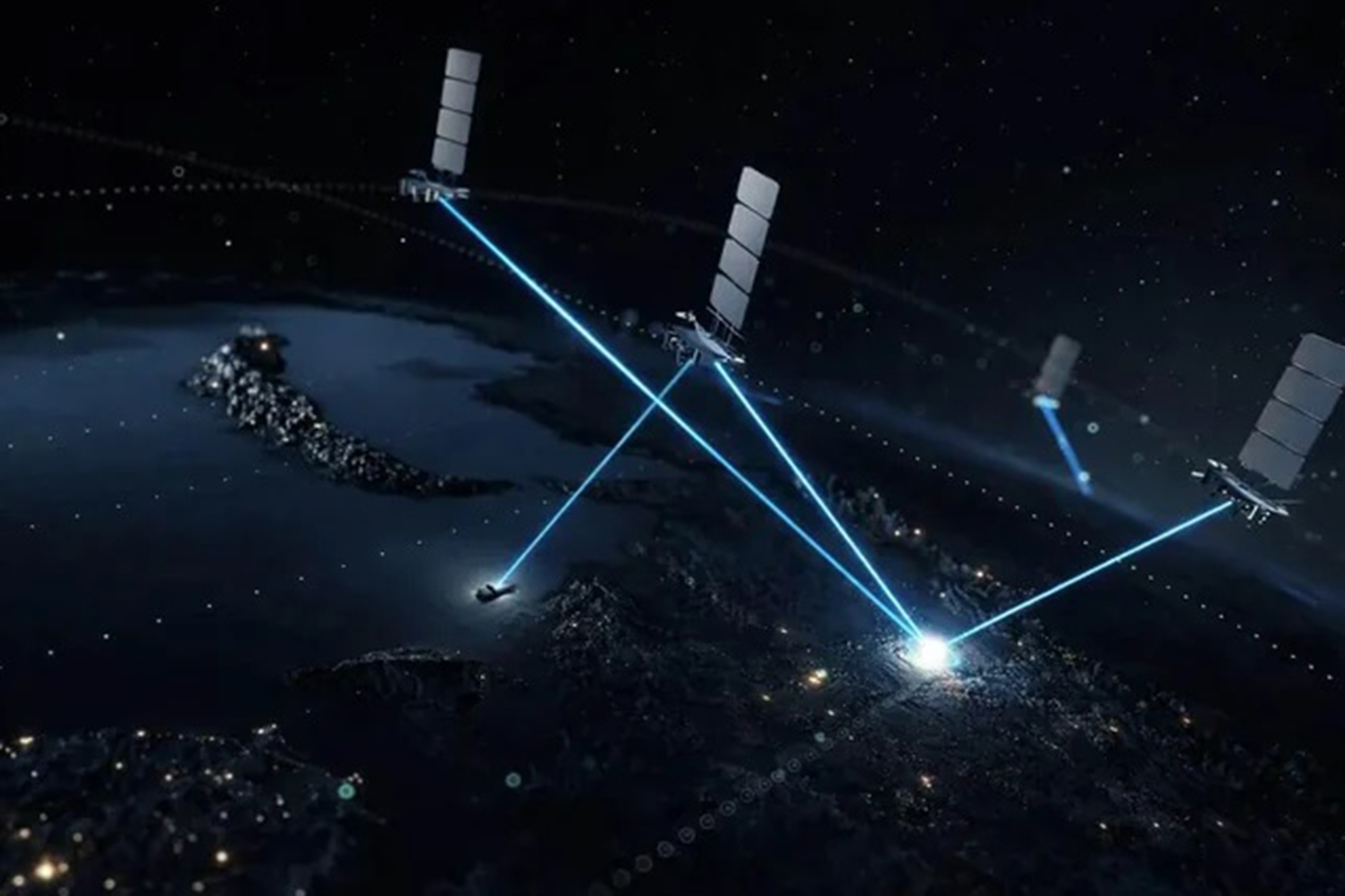
Starlink provides internet connectivity through a network of satellites in low Earth orbit and has been used in countries and regions where conventional telecommunications infrastructure is limited, disrupted or restricted.
The debate over satellite internet has increasingly intersected with questions of national sovereignty, freedom of communication and the security implications of privately operated communications infrastructure.
Moscow's latest remarks reflect Russia's broader concerns about foreign influence through digital technologies and the role of international communications networks in domestic political developments. (ILKHA)
LEGAL WARNING: All rights of the published news, photos and videos are reserved by İlke Haber Ajansı Basın Yayın San. Trade A.Ş. Under no circumstances can all or part of the news, photos and videos be used without a written contract or subscription.

Iraq has announced plans to ban the navigation app Waze, citing its Israeli origins and concerns over the company's links to Israel, as calls to boycott Israeli-linked products and services continue amid the war on Gaza.

Several Japanese companies and a university have reported separate data breaches and cyberattacks since Monday, potentially exposing personal information belonging to millions of customers, students, employees and other users.
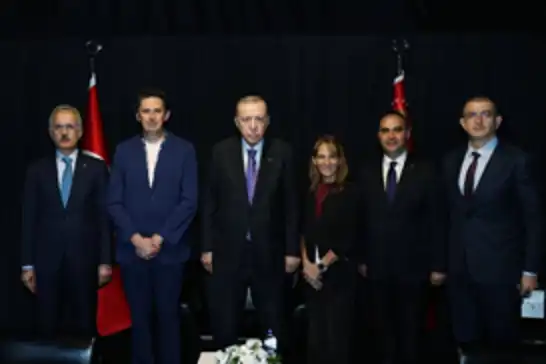
Turkish President Recep Tayyip Erdoğan received senior SpaceX executives Rebecca Hunter and Michael Nicolls on Monday following the opening ceremony of the 77th International Astronautical Congress (IAC) in Antalya.