Al-Hindi says Al-Aqsa Flood reshaped Israel regime's regional role and global standing
 13 oC
13 oC 
Güneşli

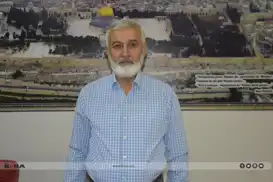
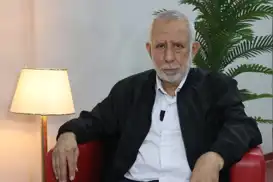
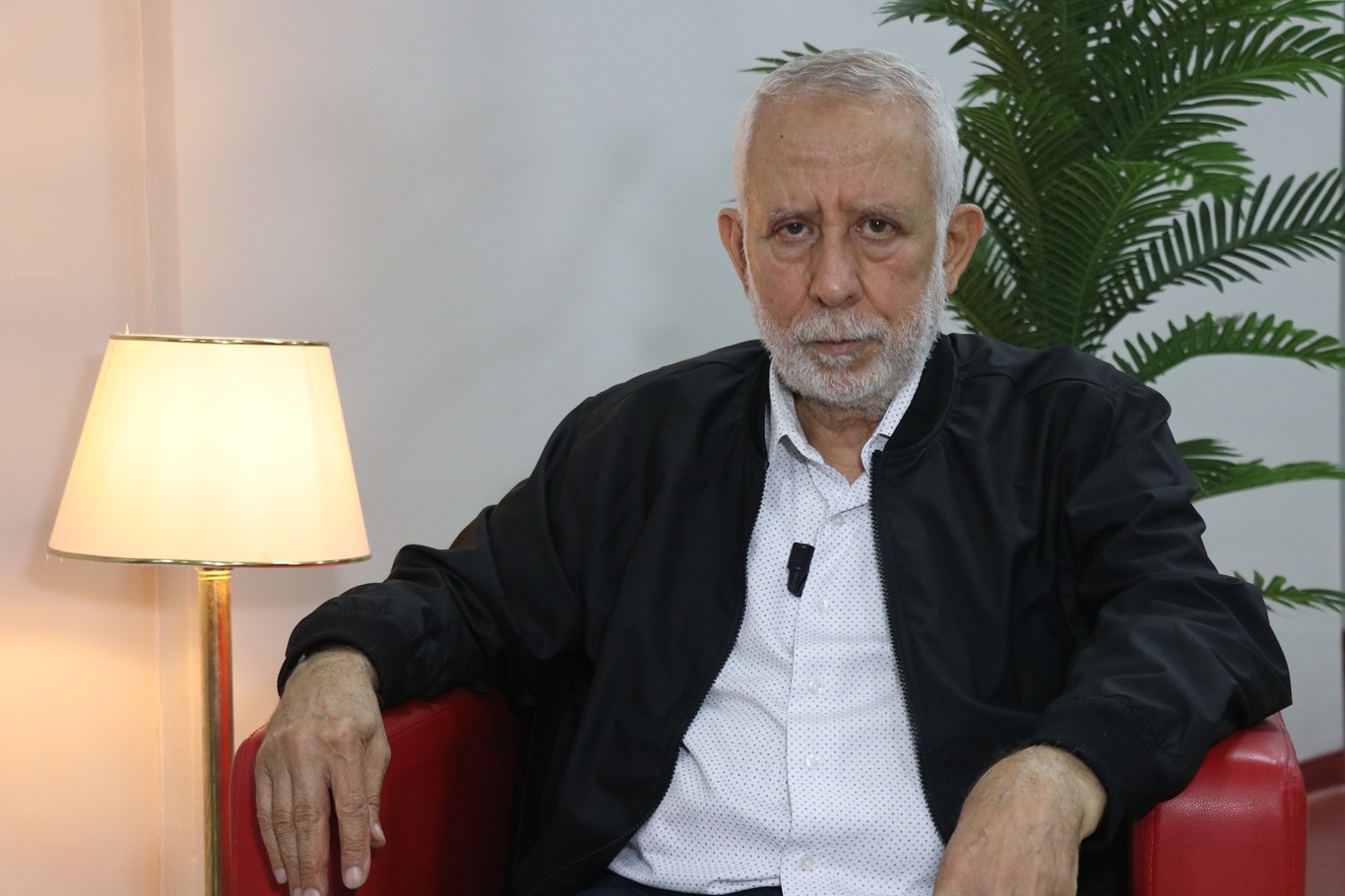
The deputy secretary-general of the Islamic Jihad Movement, Mohammed al-Hindi, said the Al-Aqsa Flood operation fundamentally altered the strategic landscape of the region, arguing that the role assigned to the Israel regime has effectively come to an end and that its international standing has suffered irreversible damage.
Speaking to ILKHA on the third anniversary of the Al-Aqsa Flood operation, al-Hindi assessed the transformation of the Palestinian cause since October 7, 2023, the ongoing resistance against the occupation, the genocide in Gaza, and the broader regional consequences of the conflict.
He said the massacres, rights violations and occupation of Palestinian land had long continued before Al-Aqsa Flood but had largely been ignored by the international community, while the Israel regime sought to divert regional attention through the so-called Abraham Accords with the United Arab Emirates, Bahrain, Morocco and Sudan.
According to al-Hindi, Al-Aqsa Flood broke the occupation regime's attempt to establish regional hegemony and returned international attention to Gaza and the Palestinian cause, while the war itself remains ongoing with new fronts continuing to emerge against the occupation.
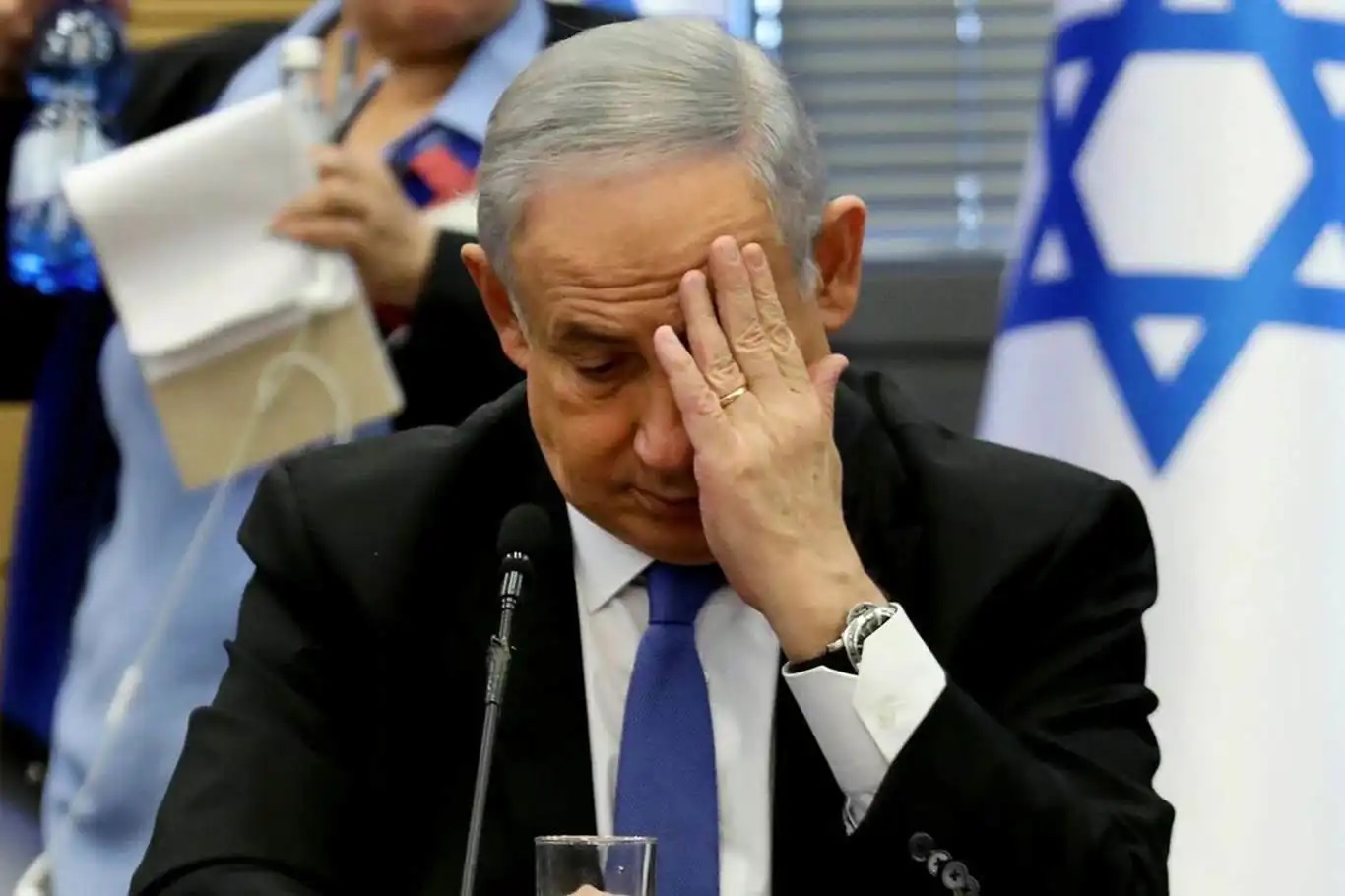
'Israel cannot return to its previous position'
Al-Hindi said the Israel regime has undergone profound changes since the launch of Al-Aqsa Flood.
"Today Israel's strategic weight in the world is passing through one of the worst periods since its establishment. This has become the longest war in Israel's history. The conflict is expanding every day into new arenas, producing new calculations and new objectives, while Israel is failing across all of these fronts. Therefore, returning to previous relations is no longer possible. This cannot return to its previous form either internationally or regionally. Israel once played a major role throughout the region, extending with American coordination even into Latin America and Africa because it was viewed as a strategic asset for the United States. During the Cold War it served Washington against the Soviet Union, and after the Soviet collapse it was presented as a partner against what was described as the 'Islamic threat' and later against the alleged Iranian threat," he said.
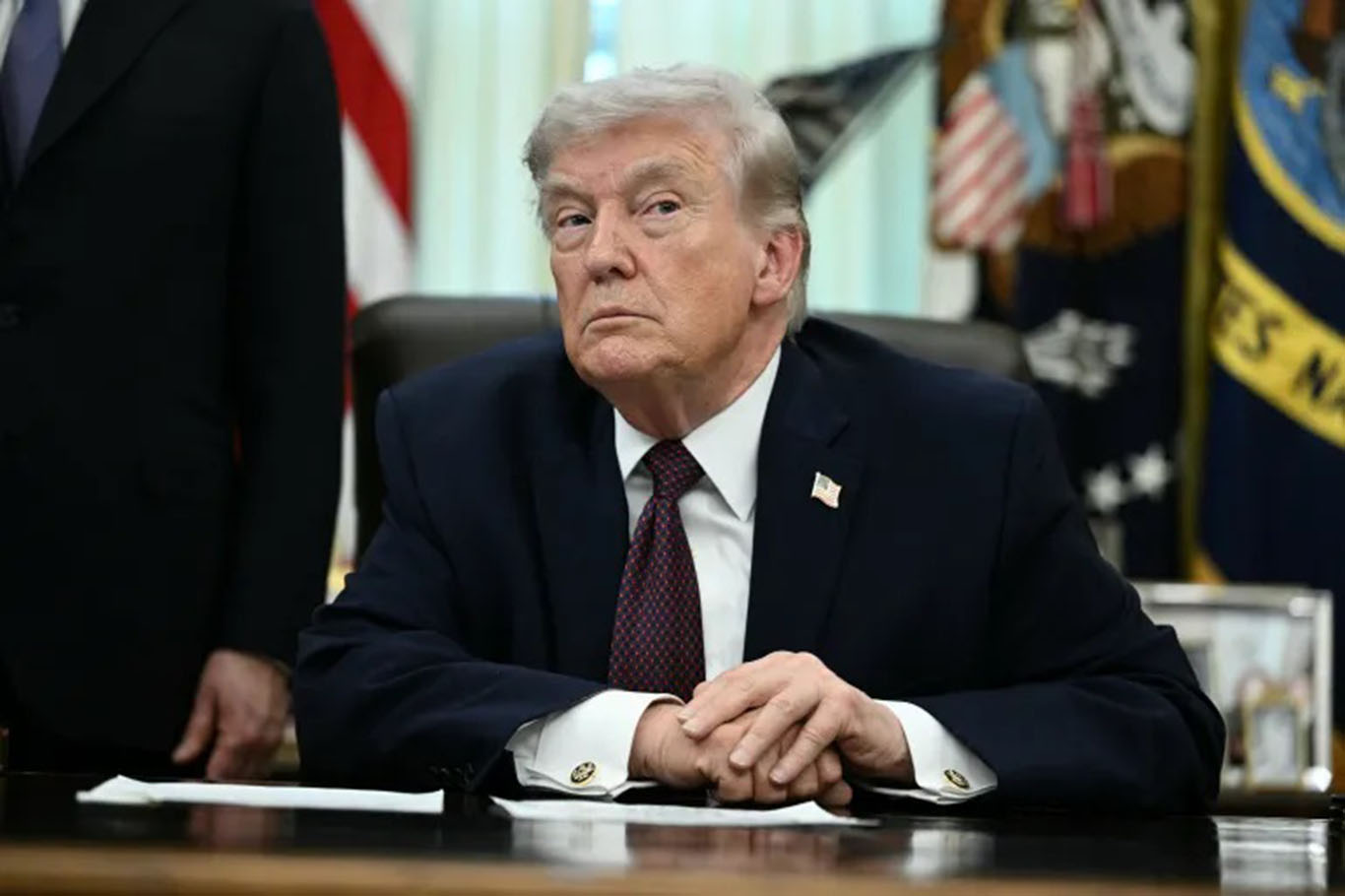
'The role assigned to Israel by the United States has ended'
Al-Hindi said the occupation regime has attempted to restore the regional role it held before Al-Aqsa Flood but has been unable to do so.
"Israel previously claimed it would protect America's Sunni and moderate allies in the region from the Shiite threat and from Iran. Today, however, Israel says that even this Sunni axis, which it once claimed to protect, could become a danger to it. Instead of defending America's allies, Israel is now bombing Doha with American aircraft and treating Qatar as a hostile state. The role assigned to Israel has therefore come to an end. Israel's image and reputation in the West have suffered severe damage. Its strategic weight is declining and restoring it to its former level is no longer possible," he stated.
'The conflict must be viewed in its broader regional context'
Al-Hindi stressed that despite the immense suffering in Gaza, developments should be viewed within the wider regional conflict rather than solely through the Palestinian issue.
"We should not look at Palestine through a narrow lens. The Palestinian cause is part of a much broader regional conflict. Nor should we judge events only by the current moment because the war has not ended. Israel has failed to achieve its objectives in Gaza, the West Bank, Lebanon and Syria. At the same time, we see it speaking of ambitions extending to Jordan, Egypt and the wider region. Israel is therefore experiencing a strategic decline. It can no longer portray itself as the West's outpost in the region or as an oasis of democracy. It claimed to represent judicial independence, media freedom and Western values. Today, however, it faces war crimes proceedings before international courts and is experiencing growing tensions not only with regional countries but also with Western governments. Following Britain's measures against products from West Bank settlements, Israel even began closing the British consulate in Jerusalem," he said.
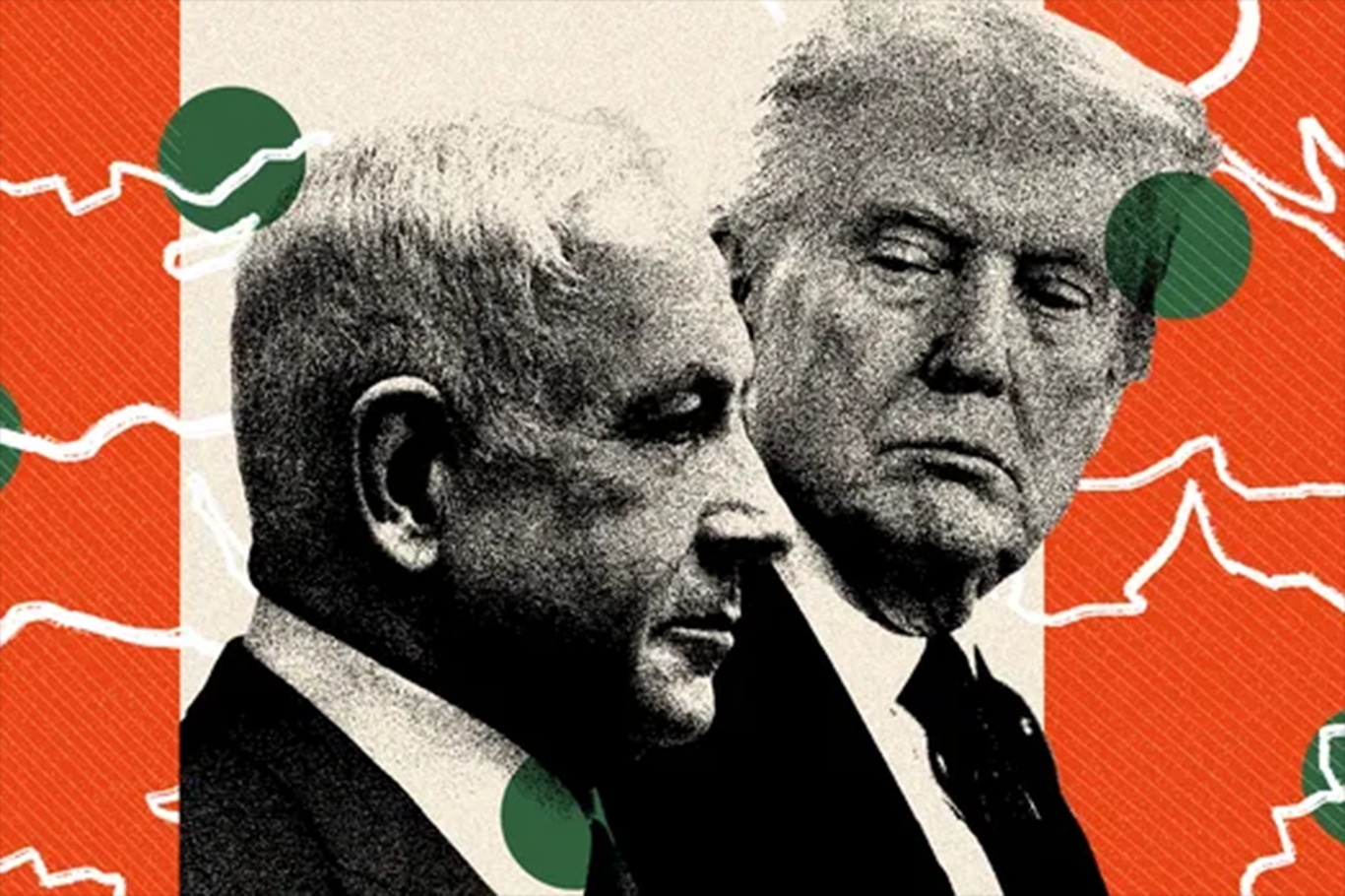
'US support remains the root cause of the crisis'
Al-Hindi argued that the occupation regime failed to implement the terms of the ceasefire agreement and said unconditional American support enabled Israel to continue its military campaign.
"The current situation in Gaza and the injustice witnessed across the world stem largely from the United States' unconditional support for Israel. Israel is starving civilians, bombing women and children and preventing bodies from even being recovered from beneath the rubble. It blocks food, water, medicine, hospitals and education. The first phase of the Sharm el-Sheikh agreement included twenty provisions covering prisoner exchanges, humanitarian aid, tents, food, medicine, reconstruction and the phased withdrawal of Israeli forces. However, no mechanism was established to compel Israel to fulfil its obligations. Apart from the prisoner exchange, Israel implemented none of the agreed commitments," he explained.
He said numerous countries and leaders had signed the agreement alongside US President Donald Trump, yet Israel ignored not only the agreement itself but also its guarantors and mediators.
Al-Hindi added that subsequent negotiations in Cairo also failed after the Palestinian resistance accepted a proposed second-phase framework while Israel rejected it, leaving the peace process effectively paralysed.
"Israel has become an excluded actor in world opinion"
Evaluating the developments following the Al-Aqsa Flood, al-Hindi said the situation on the ground had not improved despite agreements and mediation efforts.
"Since the day the agreement reached in Cairo entered into force, Israel has killed approximately 1,500 people in Gaza and injured more than 5,000 others. There has been no change in people's suffering. There has been no improvement regarding food, water, medicine or travel. The suffering continues and has even increased," he said.
Al-Hindi stated that the war was still continuing and criticized Israel's approach to the agreements.
"Everyone on the ground must know this: The war continues. Before the Al-Aqsa Flood, the world thought that the Palestinian issue had ended, that it had been left to Israel and that Israel could shape it however it wanted. There was also a major deception in the West," he said.
He added that the image presented about the Israel regime had changed significantly after the developments in Gaza.
"Israel was presented as an oasis of democracy in a barren region that lacked democratic values. It claimed to represent Western values. Today, Israel has become an excluded actor in the eyes of the entire world community," al-Hindi said.
He stated that this change was not limited to Europe and that debates had also emerged in the United States.
"This is not only limited to Europe. We see that Britain has taken some positions against Israel. Even in America, the MAGA movement that helped Trump win the elections is divided today. They are also saying that what is happening in Gaza is a crime and a genocide, and that these wars do not serve American interests," al-Hindi said.(ILKHA)
LEGAL WARNING: All rights of the published news, photos and videos are reserved by İlke Haber Ajansı Basın Yayın San. Trade A.Ş. Under no circumstances can all or part of the news, photos and videos be used without a written contract or subscription.
Professor Dr. Vechi Sönmez, a faculty member at Batman University's Faculty of Islamic Sciences, has called on Muslim countries to unite and establish a deterrent force against Israel's ongoing attacks on Palestinians, stressing that the resistance in Gaza continues despite years of bloodshed, destruction and immense suffering.
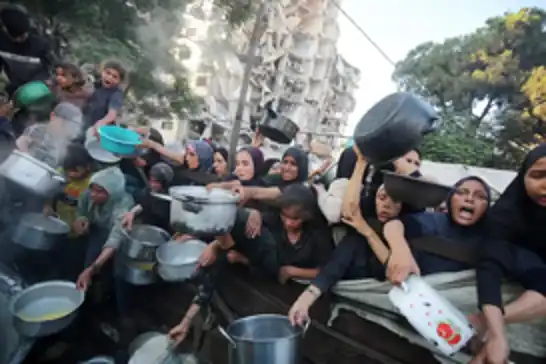
As the Israeli occupation's assault on Gaza enters its 1,000th day, humanitarian organizations are warning that waning international attention is taking a toll on relief efforts, with donations declining as the humanitarian crisis receives less global coverage.

Palestinian officials attending a Mawlid al-Nabi event in Istanbul highlighted the ongoing situation in Gaza and called for unity across the Muslim world.