Russian private firm plans first commercial rocket launch from new Primorsky spaceport
 13 oC
13 oC 
Güneşli

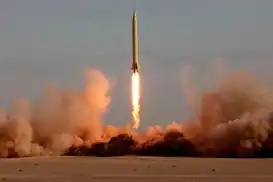
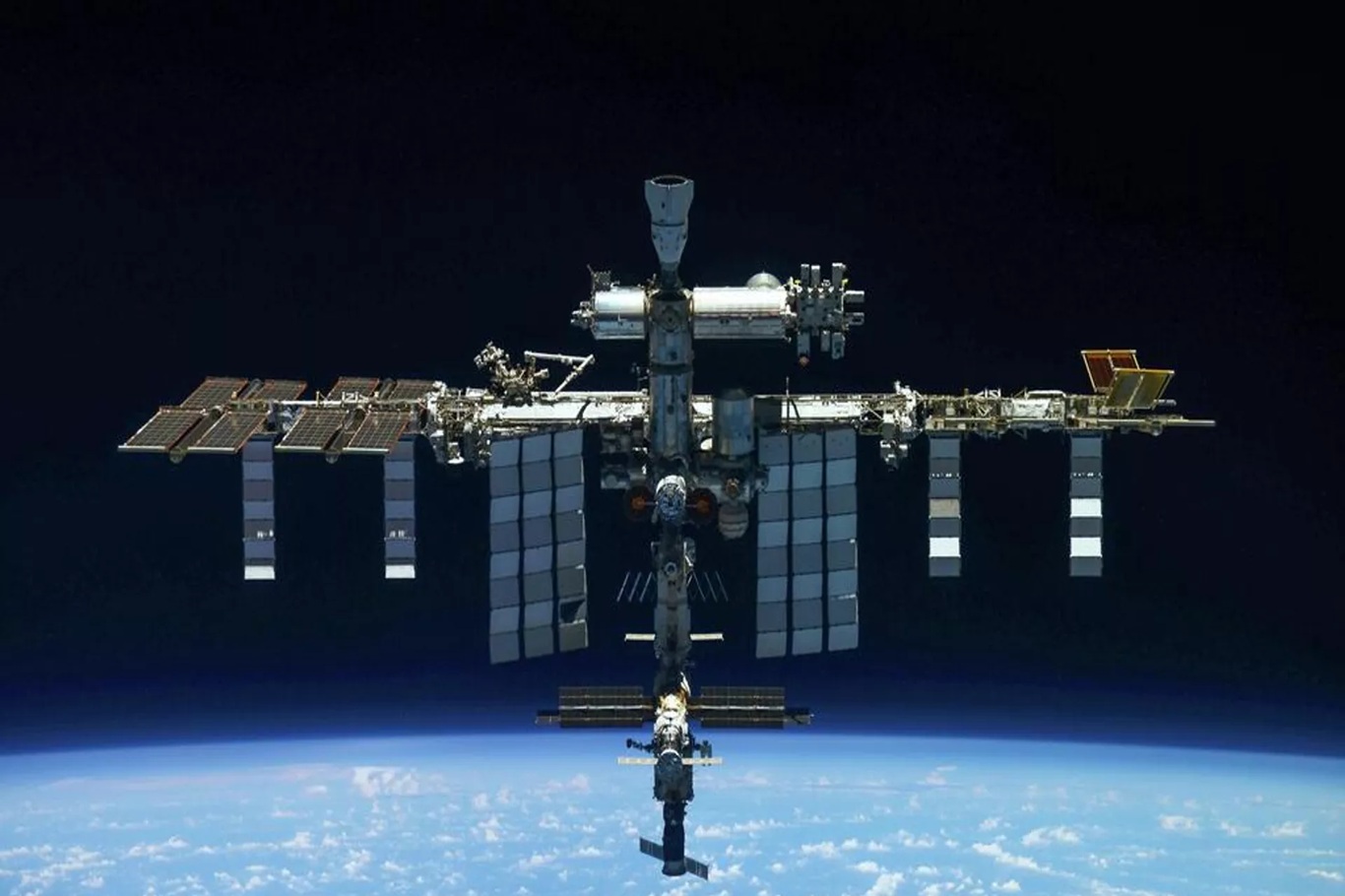
A Russian private aerospace company, Space Energy, has announced plans to begin construction of a privately operated spaceport in Russia’s Primorsky Territory in 2026, marking a significant step in the country’s emerging commercial space sector.
The company told Sputnik that the project, named the Primorsky Cosmodrome, is designed to support launches of ultra-light rockets and could host Russia’s first privately conducted space launch.
“The company plans to begin construction and commission one of the launch pads as early as 2026. If the schedule is met, the first-ever launch of a private rocket into space in Russia could take place this same year – from the territory of the country's first private spaceport,” the company said.
The spaceport will be used primarily for the company’s Orbita launch vehicle, an ultra-light rocket capable of carrying up to 250 kilograms into low Earth orbit and around 150 kilograms into sun-synchronous orbit at altitudes between 600 and 800 kilometers.
Initially, Orbita’s first flight had been scheduled for 2027, but the company now says that timeline could be moved forward to 2026 if construction proceeds as planned alongside spaceport development.
According to Space Energy, the project reflects a broader global shift toward private space infrastructure. Company CEO Georgy Emelin said private spaceports are becoming an international trend and argued that Russia should not lag behind.
“The creation of private cosmodromes is a global trend. Russia, as a pioneer in space, should not remain on the sidelines of these processes,” Emelin said. “Space Energy is developing the full cycle of space technologies — from the development of small spacecraft to their launch into orbit. And at some point, we faced a strategic question: where to launch from? The best solution is our own launch complex.”
The Primorsky region was selected due to its geographical advantages, particularly for launching satellites into sun-synchronous and polar orbits. Its coastal location also allows rocket stages to safely fall into designated sea zones, improving operational safety.
The planned spaceport will feature multiple launch pads and is designed specifically for ultralight and light-class rockets. The company says this configuration will reduce operational costs, shorten launch preparation times, and enable a high frequency of missions.
Space Energy estimates that the facility could support up to 50 rocket launches per year once fully operational.
The company also indicated that the spaceport could eventually be used for a wider range of missions, including commercial satellite deployment, scientific research launches, and services for third-party customers.
If completed on schedule, the Primorsky Cosmodrome would become a notable milestone in Russia’s private space industry, reflecting growing interest in commercial launch capabilities alongside state-run programs. (ILKHA)
LEGAL WARNING: All rights of the published news, photos and videos are reserved by İlke Haber Ajansı Basın Yayın San. Trade A.Ş. Under no circumstances can all or part of the news, photos and videos be used without a written contract or subscription.

Poland is preparing new restrictions aimed at reducing children’s exposure to digital platforms, with Prime Minister Donald Tusk announcing plans to ban mobile phone use in schools for students under the age of 16 starting from September 1.

US-based technology company Nvidia has introduced its new RTX Spark chip designed for artificial intelligence-enabled personal computers, marking a further push into the rapidly expanding AI PC market.
Iranian President Masoud Pezeshkian has ordered the restoration of international internet access across the country to levels seen before the January unrest, the semi-official Tasnim news agency announced.
Hordes of extremist Jewish settlers, protected by Israeli occupation forces, stormed the sacred Al-Aqsa Mosque compound on Sunday, violating the sanctity of one of Islam’s holiest sites.