Russian satellites disrupt GPS signals across Europe, sparking safety fears
 13 oC
13 oC 
Güneşli

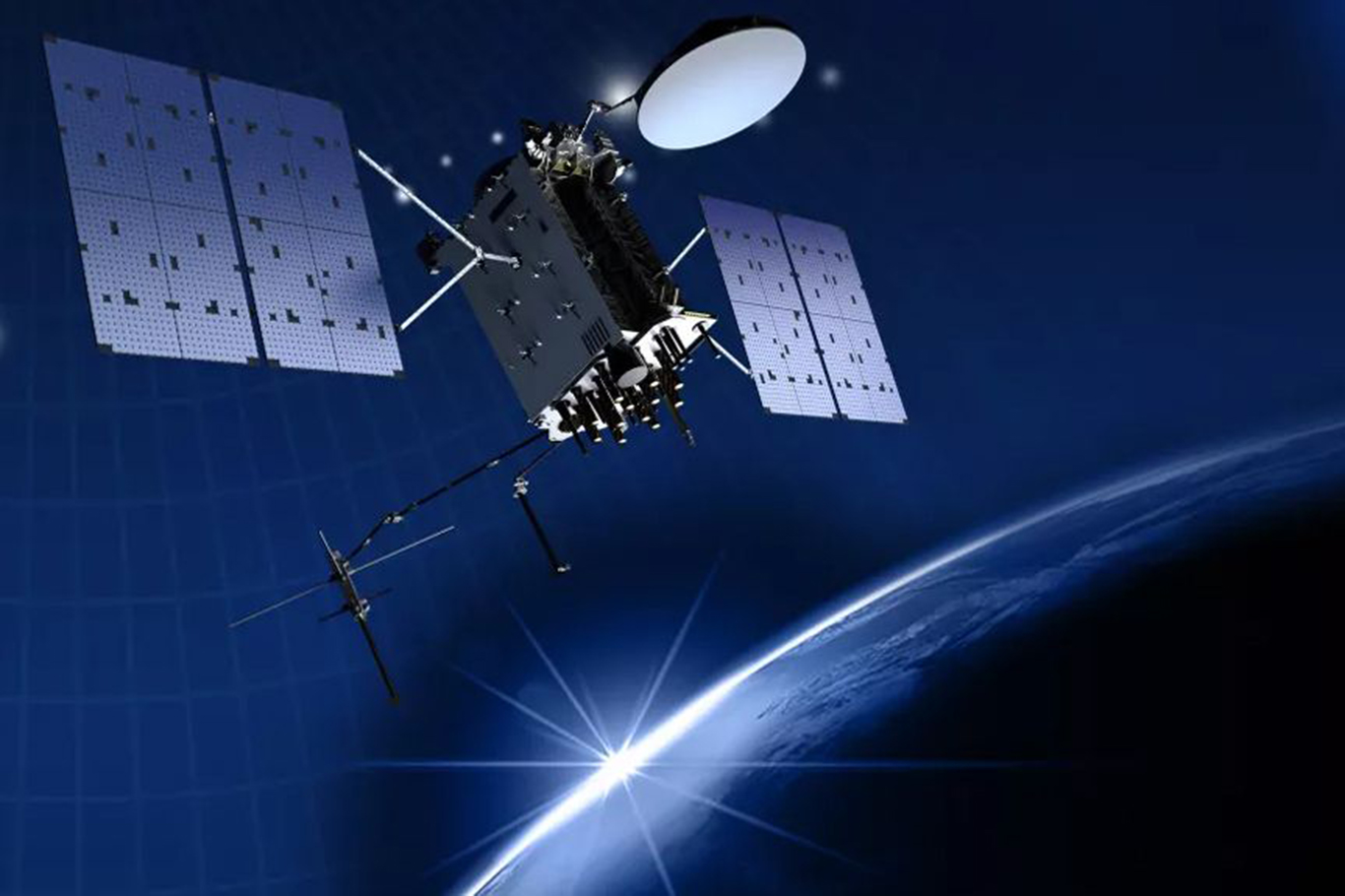
Russian satellites have been interfering with GPS signals in multiple parts of Europe, according to researchers, highlighting the growing vulnerability of critical satellite-based systems that millions rely on daily for navigation and operations.
Scientists tracking the disruptions say the incidents underscore how space-based technologies are rapidly becoming a new domain of conflict amid escalating geopolitical tensions.
The findings come from a research paper published by the University of Texas at Austin. Researchers reported detecting GPS jamming and interference attributed to Russian activity across several European regions. The disruptions primarily affect navigation signals used by commercial aircraft and maritime vessels.
The interference involves attempts to overpower or distort satellite navigation signals, causing receivers on the ground, in the air, and at sea to struggle with accurate positioning. While GPS is best known for powering smartphone mapping apps, it underpins far more critical infrastructure, including aviation routes, shipping lanes, precision agriculture, and emergency services. Even brief interruptions can lead to operational disruptions and potential safety risks.
Experts describe the incidents as part of a broader rise in electronic warfare tactics, where adversaries target digital and space-based infrastructure rather than engaging solely through traditional military means.
European officials have documented a sharp increase in GPS disruptions since Russia’s full-scale invasion of Ukraine in 2022, particularly in areas near the conflict zone and other strategically sensitive regions.Unlike conventional physical attacks, signal interference can be deployed quickly and is often difficult to attribute in real time, complicating defensive responses.
The latest incidents have prompted European authorities and security experts to accelerate efforts to strengthen protections for satellite navigation systems. Proposed measures include developing reliable backup navigation technologies and improving rapid interference detection capabilities.
Researchers warn that as nations become increasingly dependent on satellites for both civilian and military functions, vulnerabilities in orbital infrastructure could have serious consequences in future conflicts.
“Securing space-based systems will become a major priority,” the University of Texas researchers noted, emphasizing that modern warfare is expanding beyond land, sea, and air into the digital and orbital domains.
The developments reflect a wider international concern over the militarization of space and the need for stronger international norms to protect critical global navigation infrastructure. (ILKHA)
LEGAL WARNING: All rights of the published news, photos and videos are reserved by İlke Haber Ajansı Basın Yayın San. Trade A.Ş. Under no circumstances can all or part of the news, photos and videos be used without a written contract or subscription.

Scientists have identified one of the largest scorpions ever to have lived on Earth after piecing together fossils unearthed in the UK more than 150 years ago.

Poland is preparing new restrictions aimed at reducing children’s exposure to digital platforms, with Prime Minister Donald Tusk announcing plans to ban mobile phone use in schools for students under the age of 16 starting from September 1.

US-based technology company Nvidia has introduced its new RTX Spark chip designed for artificial intelligence-enabled personal computers, marking a further push into the rapidly expanding AI PC market.