Australia raises privacy concerns as doctors' use of AI medical scribes surges

 13 oC
13 oC 
Güneşli

Australia's federal health authorities have raised concerns over patient privacy, data security and clinical accuracy as the use of artificial intelligence-powered medical scribes expands rapidly across the country's healthcare system.
AI scribes record conversations between doctors and patients, automatically transcribe consultations and generate clinical notes, reducing the administrative workload for healthcare professionals.
According to a survey by the Royal Australian College of General Practitioners (RACGP), the proportion of doctors using AI scribes increased from 22% in August 2024 to 40% by November 2025, highlighting the technology's rapid adoption.
Documents prepared for the Senate and obtained by Guardian Australia under freedom of information laws show the Department of Health warned in February that the growing use of AI scribes has outpaced regulatory oversight.
The department said some providers market their products outside Australia's medical device regulations while offering limited transparency about how patient information is processed and stored. Officials also warned that sensitive health data could be transferred to cloud servers located outside Australia, creating potential privacy and security risks.
Authorities further expressed concern that some companies promote AI scribes by claiming they can increase doctors' income by up to 30% without extending working hours, raising questions about possible additional costs for the country's Medicare system.
A separate assessment by the department's Artificial Intelligence Advisory Group acknowledged that AI scribes could improve efficiency and reduce physician burnout. However, it warned that the limitations of large language models could pose risks to patient safety, clinical accuracy and professional accountability.
The report also found significant differences in how healthcare providers obtain patients' consent before using AI-assisted documentation. Officials said informed consent requires patients to fully understand both the benefits and the limitations of the technology.
Consumer Health Forum of Australia Chief Executive Dr. Elizabeth Deveny called for closer scrutiny of existing regulations, questioning whether AI tools are genuinely improving healthcare quality and access or simply increasing the number of billable medical services.
Some patients have reportedly been referred to other doctors after refusing to consent to AI scribes, while a psychiatrist in Melbourne was reported to have declined to treat patients who did not agree to the technology.
Oversight of AI medical scribes in Australia is currently shared among several agencies, including the Therapeutic Goods Administration (TGA), the Australian Health Practitioner Regulation Agency (Ahpra) and the Office of the Australian Information Commissioner. The TGA is expected to complete a review in the coming months to determine whether AI scribes should be formally regulated as medical devices. (ILKHA)
LEGAL WARNING: All rights of the published news, photos and videos are reserved by İlke Haber Ajansı Basın Yayın San. Trade A.Ş. Under no circumstances can all or part of the news, photos and videos be used without a written contract or subscription.

A total of 458 Israeli settlers defiled the Al-Aqsa Mosque compound in occupied East Jerusalem on Monday morning through the Moroccan Gate, under heavy protection from Israeli forces, according to Palestinian sources.
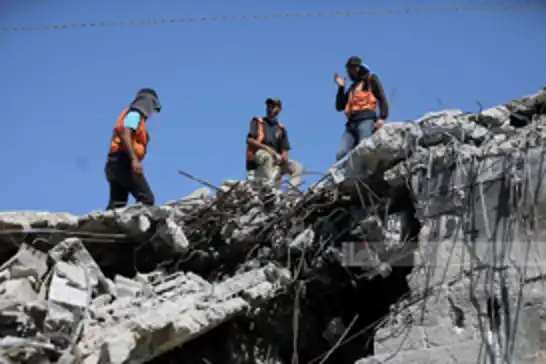
Gaza’s Government Media Office (GMO) has launched an emergency plan to evacuate and remove 255 cracked and structurally unstable buildings considered at risk of collapse, following the deadly collapse of a damaged residential building in Gaza City.
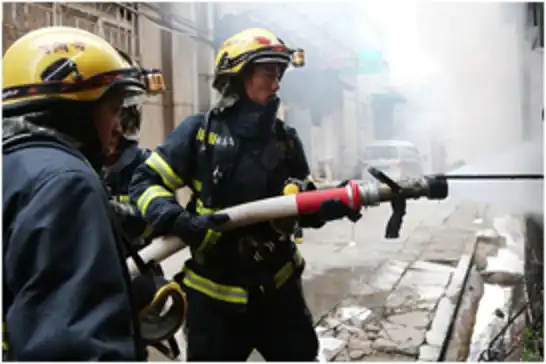
A fire that broke out at a textile factory in Foshan city, Guangdong province, southern China, has killed eight people, according to local authorities.

Iran’s Islamic Revolution Guards Corps (IRGC) has warned that any renewed aggression against the country would trigger a significantly different military response, including changes to the geography of the conflict, weapons deployed and targets struck.