Former officer tells inquiry UK special forces 'executed detainees' in Afghanistan
 13 oC
13 oC 
Güneşli

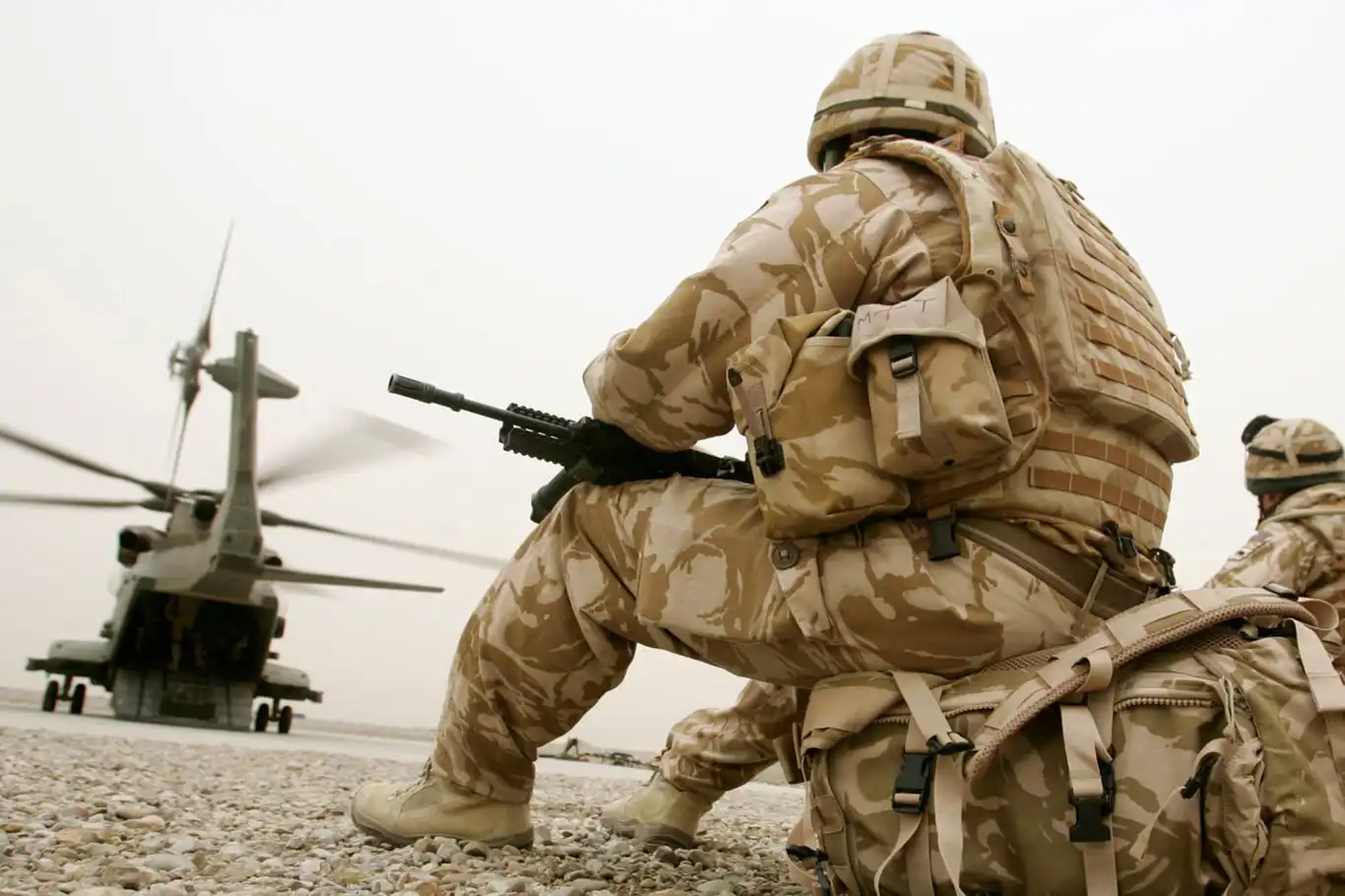
A former senior British officer has told a public inquiry that British special forces in Afghanistan appeared to commit war crimes, including the unlawful execution of detainees, and that widespread knowledge of these actions within the chain of command went unaddressed.
The inquiry, ordered by the UK Ministry of Defence (MoD), follows a BBC documentary reporting that soldiers from the elite Special Air Service (SAS) killed 54 people during the war in Afghanistan over a decade ago under suspicious circumstances. Human rights advocates have highlighted the case as an urgent reminder of the need for accountability and the protection of civilians in conflict zones.
The investigation focuses on night-time raids conducted by British forces from mid-2010 to mid-2013, when they were operating as part of the US-led coalition against the Taliban and other militant groups.
Previously, British military police conducted several inquiries into allegations of misconduct, including those involving the SAS, but the MoD reported insufficient evidence for prosecutions. The current inquiry aims to establish whether there was credible evidence of extra-judicial killings, whether later investigations were thorough, and whether unlawful actions were covered up.
Chairing the inquiry, senior judge Charles Haddon-Cave stressed that those responsible for breaking the law should be referred to authorities while ensuring the reputations of innocent service members are protected.
Several British soldiers in Afghanistan raised concerns about a sub-unit called UKSF1, alleging that men of fighting age were being killed indiscriminately during operations, regardless of immediate threats. These testimonies highlight the critical importance of adherence to international humanitarian law and the moral obligation to protect civilians.
A former officer, identified as N1466, who served as Assistant Chief of Staff for Operations at UK Special Forces Headquarters, provided new evidence in which he expressed deep concern about the high number of detainees killed during UKSF1 operations.
N1466 examined official reports and observed that the number of enemies killed far exceeded the number of weapons recovered, and claims that detainees attempted to use weapons or grenades after capture appeared implausible.
“I will be clear we are talking about war crimes … taking detainees back on target and executing them under a false pretense,” N1466 told the inquiry. “We are speaking of innocent civilians, including children, being killed — an affront to human dignity and the laws of war.”
He said he raised these concerns with the Director of Special Forces, who responded only with a review of operational tactics rather than pursuing criminal accountability. N1466 later reported the issue to military police in 2015.
Other evidence highlighted the frustration of soldiers who felt the Afghan judicial system was overwhelmed, leading to the release of captured individuals. Rivalries between special forces units, including UKSF1 and UKSF3, may have contributed to a culture in which civilians’ lives were devalued.
“I want to make it clear that nothing could be further from the truth than portraying this as a personal vendetta,” N1466 told the inquiry. “We did not join the UKSF to participate in or condone the killing of innocent civilians. Protecting human life is what service and professionalism should mean.”
The inquiry continues, with human rights observers emphasizing the need for transparency, justice, and accountability to prevent violations of humanitarian law and ensure the safety of civilians in conflict zones. (ILKHA)
LEGAL WARNING: All rights of the published news, photos and videos are reserved by İlke Haber Ajansı Basın Yayın San. Trade A.Ş. Under no circumstances can all or part of the news, photos and videos be used without a written contract or subscription.
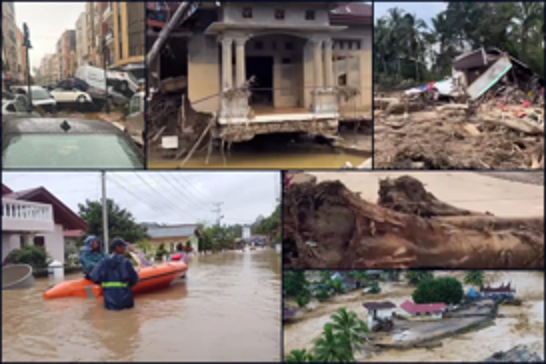
Over 1,000 people have died and millions have been displaced after severe flooding and a cyclone struck parts of Southeast Asia over the past week.
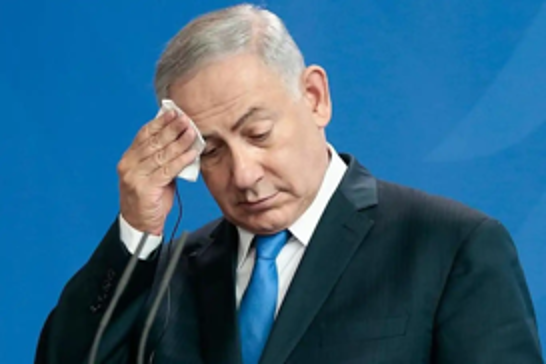
Israeli Prime Minister Benjamin Netanyahu has formally requested a presidential pardon in his ongoing corruption case, arguing that the legal proceedings are hindering his ability to govern, according to a Reuters report on Sunday.
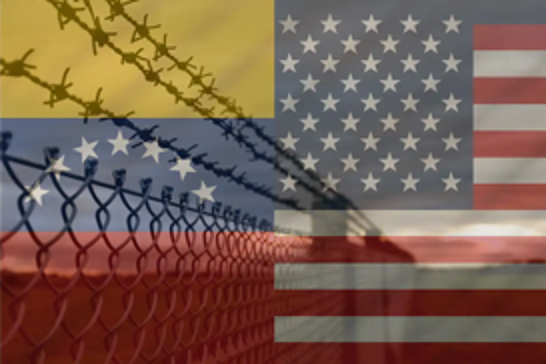
Immigrant rights advocates voiced deep concern on Sunday after the U.S. Homeland Security Secretary Kristi Noem confirmed that she ordered the continued deportation of Venezuelan detainees to El Salvador in defiance of a federal court order halting the flights.