Garbage collapse at landfill kills 30 in Guinea
 13 oC
13 oC 
Güneşli

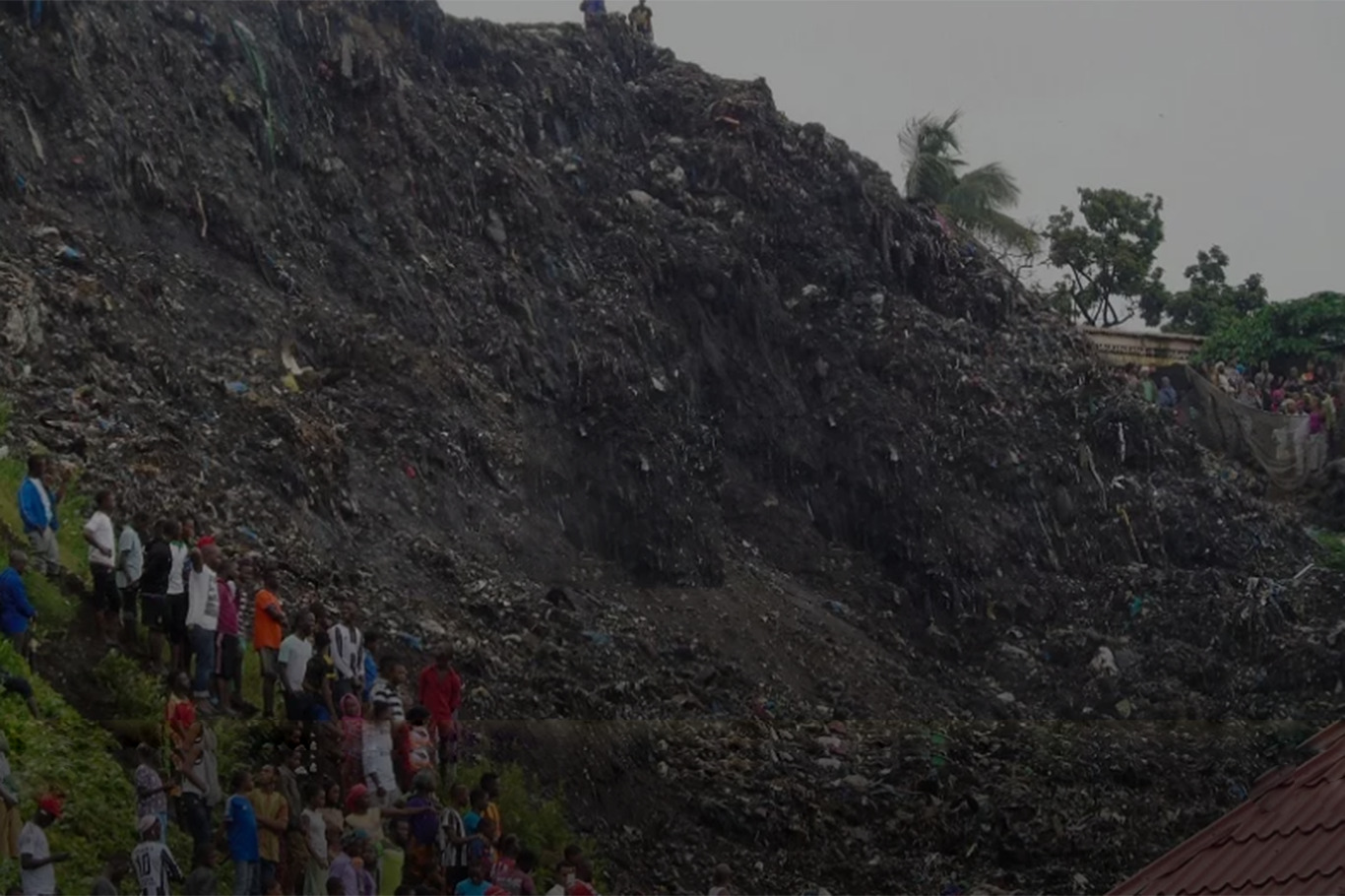
At least 30 people were killed early Sunday after a massive pile of waste collapsed at the largest landfill in Guinea’s capital, Conakry, according to an updated death toll released by the central government.
The collapse occurred at the Dar Es Salam landfill after heavy rains began around 2 a.m. local time. Authorities said the rainfall swept over the mountainous heap of refuse, triggering a landslide that buried nearby makeshift homes and shacks.
A search-and-rescue operation was underway as emergency teams worked to locate possible survivors trapped beneath the debris.
Authorities said six people sustained serious injuries, while several homes were destroyed in the disaster.
The Dar Es Salam site is an open-air waste dump and the largest landfill serving Conakry. Its proximity to residential areas has raised concerns over the risks posed to communities living nearby.
Lt. Col. Baldé Mamadou Bailo, sanitation officer for the military engineering battalion, said the landfill had been scheduled to close on Sunday, the same day the deadly collapse occurred.
The disaster highlights the dangers posed by poorly managed waste disposal sites in densely populated urban areas, particularly during periods of heavy rainfall.
Rescue teams continued operations at the site as authorities assessed the full extent of the damage and searched for additional victims. (ILKHA)
LEGAL WARNING: All rights of the published news, photos and videos are reserved by İlke Haber Ajansı Basın Yayın San. Trade A.Ş. Under no circumstances can all or part of the news, photos and videos be used without a written contract or subscription.
United Nations Secretary-General António Guterres has strongly condemned new US sanctions targeting the International Criminal Court (ICC) as an institution, warning that the measures could undermine its ability to pursue international criminal justice.

A powerful earthquake with a magnitude of 7.7 struck southern Panama on Friday, shaking buildings in the capital, prompting evacuations and triggering tsunami alerts for parts of the Pacific coast of Central and South America.

The European Commission will represent the European Union at the latest round of Ukraine peace talks on October 9, with Björn Seibert, chief of staff to Commission President Ursula von der Leyen, attending on behalf of the bloc, diplomatic sources told the Kyiv Independent.
The number of people who have died from Lassa fever in Nigeria has risen to 263 this year, while the number of confirmed cases recorded between January and September reached 1,115, according to health authorities.