Gaza enters another winter as vital shelter supplies remain stranded outside the Strip
 13 oC
13 oC 
Güneşli

As winter approaches, nearly two million Palestinians in the Gaza Strip are facing another season without adequate shelter after widespread destruction caused by the war, while essential humanitarian supplies remain outside the territory due to restrictions on their entry.
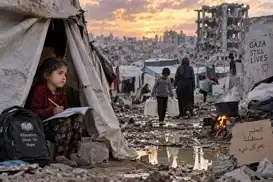
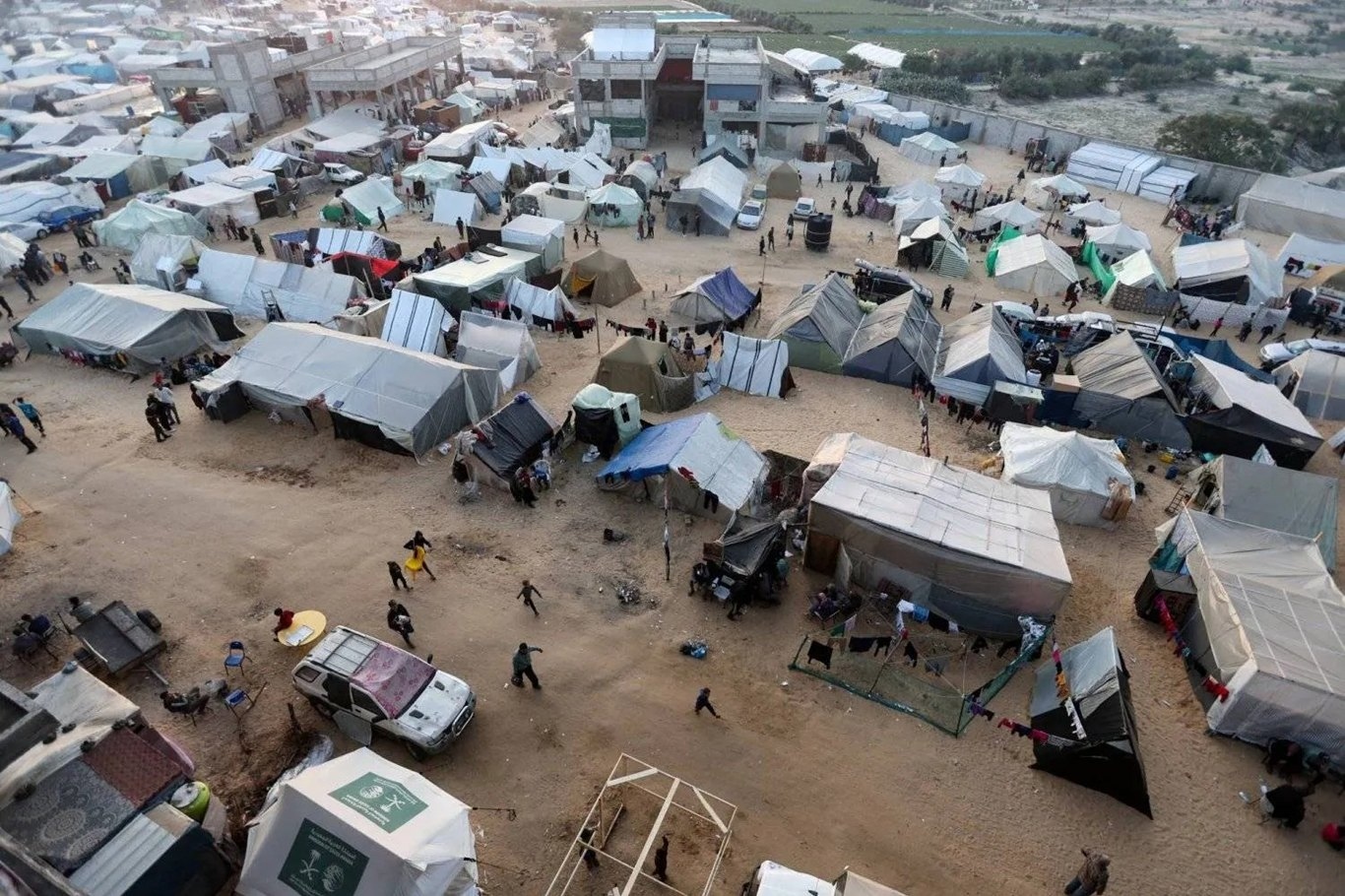
Thousands of displaced families are still living in damaged tents, temporary shelters and unsafe buildings that provide little protection against cold weather and heavy rainfall. Humanitarian organizations warn that the approaching winter could further worsen the suffering of people already exhausted by repeated displacement and the destruction of homes and infrastructure.
The International Organization for Migration (IOM) has warned that Gaza faces a severe shelter crisis, stating that almost two million people require urgent shelter assistance ahead of the winter season. The organization said only around 17 per cent of the required winter shelter needs have been met so far.
According to the organization, around 8,600 emergency shelter kits remain outside Gaza despite being ready for delivery, preventing displaced families from receiving urgently needed protection materials. The kits include basic shelter materials such as wood, tarpaulins and other supplies needed to repair or reinforce temporary shelters.
Shelter crisis deepens ahead of winter
The humanitarian crisis in Gaza is not limited to a shortage of tents or blankets. Many displaced families are living in shelters that have already deteriorated due to prolonged use, repeated displacement and exposure to harsh weather conditions.
IOM assessments indicate that a large number of displacement sites are located in areas vulnerable to flooding, while many tents and temporary shelters are no longer capable of providing adequate protection. The organization warned that heavy rainfall could further endanger families living in fragile conditions, especially as drainage systems and infrastructure have been severely damaged.
Humanitarian agencies have repeatedly called for increased access to tents, emergency shelter kits, temporary housing units and construction materials needed to repair damaged homes.
However, aid organizations say that many essential shelter items remain subject to restrictions because they are classified as "dual-use" materials, creating delays in delivering assistance to families in need.
Thousands of families remain exposed
The destruction of residential areas has forced many Palestinians to remain in makeshift shelters or partially damaged buildings despite the risks.
Families living in these conditions face multiple threats, including cold temperatures, rainfall, flooding, poor sanitation and limited access to clean water and healthcare services.
Children, elderly people and those with health problems are among the groups most vulnerable to worsening weather conditions. Humanitarian officials warn that inadequate shelter can increase the risks of disease outbreaks and other health emergencies during the winter months.
The lack of sufficient shelter materials has also prevented many families from repairing damaged tents or improving their living conditions.
For many displaced Palestinians, the arrival of winter represents not only a seasonal change but another struggle for survival amid the loss of homes, repeated displacement and continued humanitarian needs.
Aid materials waiting outside Gaza
The continued presence of humanitarian supplies outside Gaza has become one of the central concerns raised by aid organizations.
IOM said that emergency shelter materials are available but cannot reach families at the required scale because of access restrictions. The organization called for immediate and sustained humanitarian access to allow tents, shelter kits and other essential supplies to enter the Strip.
The organization stressed that humanitarian teams are prepared to deliver assistance but need the necessary access, equipment and materials to respond effectively.
Other humanitarian assessments have also highlighted the gap between available shelter assistance and the scale of need. A significant amount of winter-related aid has been prepared outside Gaza, but delays in approval and delivery have slowed efforts to protect displaced families before severe weather arrives.
Winter threatens already vulnerable displaced population
The coming winter is expected to place additional pressure on Gaza's already fragile humanitarian situation.
With large areas of residential infrastructure destroyed, many families have few alternatives to temporary shelters. Damaged buildings that remain standing also pose risks, as weakened structures may become dangerous during heavy rain and storms.
Humanitarian organizations have warned that without urgent action, displaced families could face worsening conditions as temperatures fall and rainfall increases.
The crisis highlights that rebuilding Gaza is not only a matter of reconstructing buildings but also restoring basic living conditions, including safe shelter, access to essential materials and protection from extreme weather.
As winter approaches, millions of Palestinians continue to face the consequences of destruction and displacement, while humanitarian agencies warn that delays in delivering shelter assistance could leave vulnerable families exposed to cold, rain and unsafe living conditions.(ILKHA)
LEGAL WARNING: All rights of the published news, photos and videos are reserved by İlke Haber Ajansı Basın Yayın San. Trade A.Ş. Under no circumstances can all or part of the news, photos and videos be used without a written contract or subscription.
The United States has imposed sanctions on the International Criminal Court (ICC), escalating its long-running opposition to the tribunal over investigations involving US personnel and Israeli regime officials, including cases related to the genocide in Gaza.
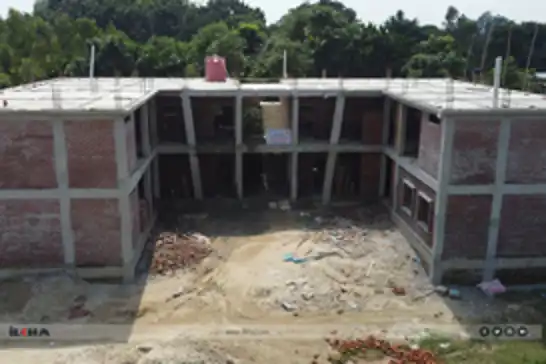
Türkiye-based Orphans Foundation (Yetimler Vakfı) is building an orphanage complex in Bangladesh to provide children without parental care with a safe living environment and better access to education, the organisation said.

Iranian President Masoud Pezeshkian has reaffirmed Tehran’s commitment to diplomacy while accusing Washington of undermining negotiations through military attacks, telling Russian President Vladimir Putin that Iran would not abandon the negotiating table.