US demands return of undetonated GBU-39B bomb in Beirut
 13 oC
13 oC 
Güneşli

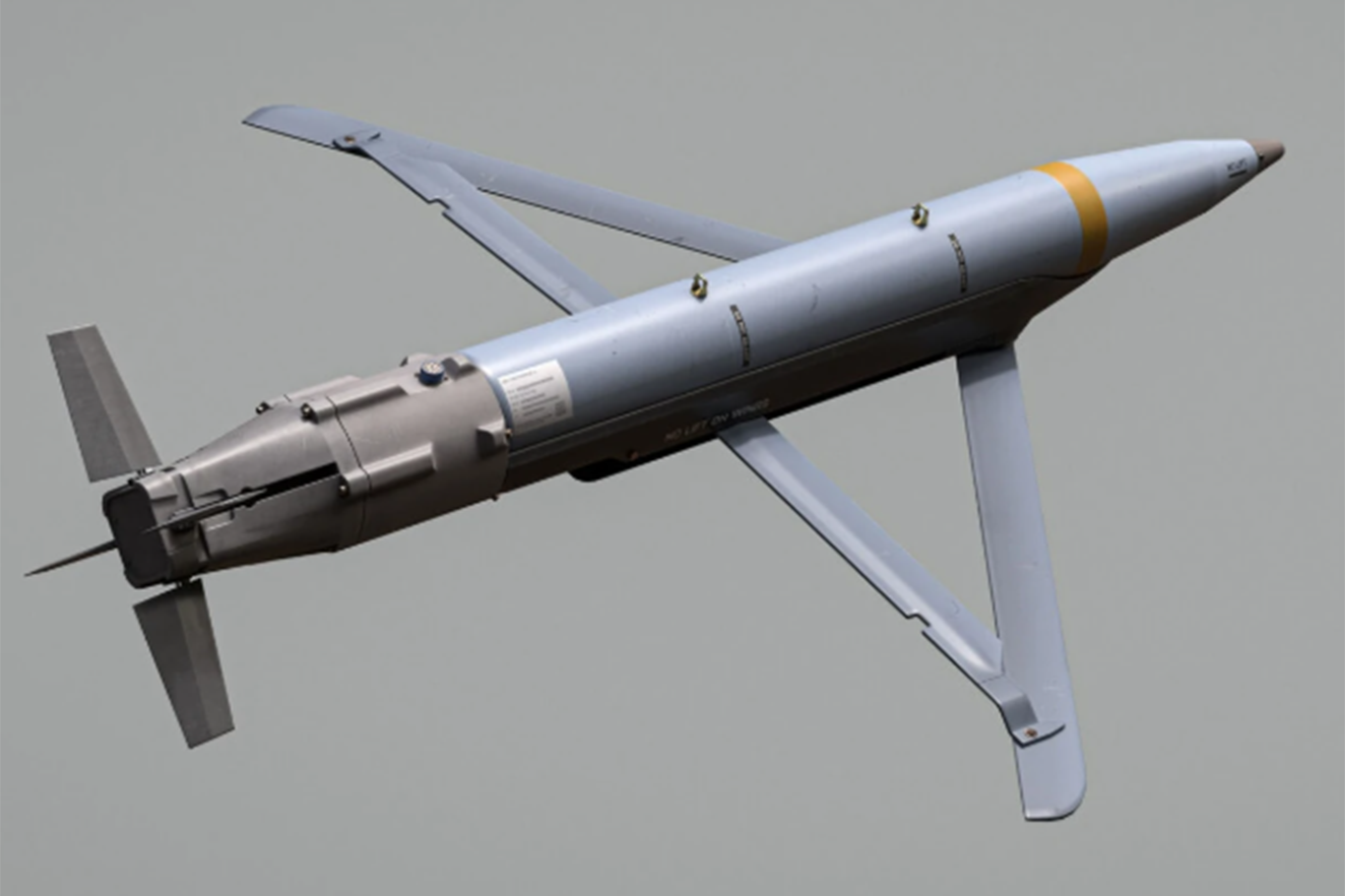
The United States has formally requested that Lebanon hand over an undetonated GBU-39 small-diameter bomb (SDB) that was recovered in Beirut’s southern suburbs following an Israeli airstrike that killed senior Hezbollah commander Haytham Ali Tabtabai earlier this week.
The precision-guided bomb, launched by an Israeli fighter jet, failed to detonate upon impact—raising concerns in Washington that the intact munition could be obained by Russia or China and studied for intelligence or reverse-engineering purposes. Lebanese authorities have not yet issued an official response to the U.S. request.
The Israeli strike on November 23 targeted an apartment building in the Haret Hreik district, a stronghold of Hezbollah in Beirut’s southern suburbs. Lebanese officials reported that five people were killed and 28 wounded when the third and fourth floors of a nine-storey residential block were hit.
Hezbollah later confirmed that Haytham Ali Tabtabai—one of the group’s most senior military figures—was killed in the attack. His death marks the heaviest blow to the group’s leadership since the November 2024 ceasefire that halted more than a year of cross-border hostilities between Israel and Hezbollah.
The GBU-39, produced by Boeing, is considered one of the U.S. military’s most advanced precision glide bombs. Despite lacking an engine, the weapon deploys wings after release and can glide up to 110 kilometers, allowing aircraft to strike targets from beyond enemy air-defense systems.
The bomb is prized for its compact size, low cost (approximately $50,000), and unique warhead capable of penetrating fortified structures while minimizing collateral damage. Its GPS-aided inertial guidance allows for accuracy within one meter of the intended target.
Because of its capabilities, the U.S. tightly controls the export of the GBU-39, approving sales only to close allies such as Italy, Australia, the Netherlands, Saudi Arabia, and Israel. A ground-launched version has also been supplied to Ukraine for use against Russian forces.
Defense analysts say Washington’s concern stems from the possibility that an intact, unexploded GBU-39 could reveal sensitive information about American warhead engineering, materials, and guidance systems. With Russia and China seeking to improve their own precision-strike technologies, the U.S. has become increasingly protective of Western advanced munitions.
Lebanon’s volatile security landscape—and Hezbollah’s close ties to Iran—have heightened fears that the weapon could be transferred to foreign intelligence services if not recovered.
The Israeli Air Force, which refers to the GBU-39 as “Sharp Hail,” employs the bomb across multiple aircraft platforms, including the F-35. Israel has used the munition extensively in operations in Gaza, Syria, and Lebanon.
The presence of an unexploded American-made weapon in Beirut adds to growing concerns about advanced Western arms appearing across Middle Eastern battlefields. The U.S. request for its return underscores the broader geopolitical stakes surrounding the conflict.
For now, it remains unclear whether Lebanon will comply with Washington’s demand, as tensions along the Lebanese-Israeli border continue to escalate. (ILKHA)
LEGAL WARNING: All rights of the published news, photos and videos are reserved by İlke Haber Ajansı Basın Yayın San. Trade A.Ş. Under no circumstances can all or part of the news, photos and videos be used without a written contract or subscription.
President Ramaphosa says South Africa, as a founding G20 member, “cannot be removed from the platform,” dismissing Washington’s accusations as a dangerous disinformation campaign.

The Orphans Foundation (Yetimler Vakfı) continues its efforts to support families in Gaza through the “Her Gün Bir Sofra” (“A Table Every Day”) project, providing daily hot meals to those struggling to survive under the harsh conditions of Israeli blockade.
A former senior British officer has told a public inquiry that British special forces in Afghanistan appeared to commit war crimes, including the unlawful execution of detainees, and that widespread knowledge of these actions within the chain of command went unaddressed.