US economy feels pressure as Iran war drives up fuel, food and inflation costs
 13 oC
13 oC 
Güneşli

A hundred days into the ongoing US-Israel war involving Iran, American households are increasingly feeling economic strain as rising fuel, food, and housing costs fuel inflation and weaken consumer confidence across the country.
Economists and recent polling data suggest that the conflict has become a significant factor adding pressure to an already fragile US economy shaped by tariffs, supply-chain disruptions, and domestic fiscal tightening.
Growing Public Opposition to the War
Public support for the conflict has weakened notably. A recent CBS News poll found that 66% of Americans disapprove of President Donald Trump’s handling of the war with Iran, while an ABC News/Washington Post Ipsos survey reported that 61% of respondents believe US military action in Iran was a “mistake.”
The declining approval coincides with increasing concerns about its economic consequences, particularly the rising cost of energy and transportation.
Rising Fuel Prices Hit Households
Energy costs have surged since the conflict began. Petrol prices reached an average of $4.22 per gallon for regular fuel, compared to $2.98 before the escalation, according to the American Automobile Association (AAA).
Analysts link the spike to regional instability, including Iranian retaliatory actions targeting energy infrastructure and disruptions in shipping routes through the Strait of Hormuz — a critical passage for global oil and gas exports.
Moody’s Analytics estimates that US households are now spending an average of $750 more due to war-related economic effects, with roughly $447 of that increase coming directly from higher energy costs.
“This is a big economic blow,” said economist Mark Zandi, noting that the burden disproportionately affects middle- and lower-income households already facing rising living costs.
Inflation Pressures Spread Beyond Energy
The inflationary impact has expanded beyond fuel. The US Department of Commerce reported a 5.5% rise in energy prices in its latest Personal Consumption Expenditures (PCE) index, a key Federal Reserve inflation measure.
Overall inflation climbed to 3.8%, up from 3.5% the previous month — the sharpest monthly increase in three years.
Food prices have also begun to rise, increasing 0.5% in April, with further pressure expected due to rising fertilizer and transportation costs. The World Bank has warned that fertilizer prices could rise by 31% by year-end, driven by disruptions in Gulf production, including a projected 60% increase in urea prices.
Changing Consumer Behavior
As costs rise, American households are adjusting spending habits. Surveys indicate that 44% of Americans are driving less, while 12% are increasingly working from home to offset fuel expenses.
Consumer sentiment has fallen sharply, with the University of Michigan index dropping to 44.8 in May, down from 49.8 in April. Analysts attribute the decline largely to rising energy prices and economic uncertainty linked to global conflict.
Retail and travel sectors have also felt the impact. Airlines have raised fares significantly, with United Airlines increasing ticket prices by up to 20% to offset fuel costs. The US Bureau of Labor Statistics reported airline fare increases of 2.7% in March and 2.8% in April.
Housing and Interest Rates Under Pressure
The war has also contributed to rising borrowing costs. Average 30-year fixed mortgage rates increased from 5.98% in February to 6.5% in April, driven by inflation expectations and rising Treasury yields.
Financial analysts note that higher energy prices have strengthened inflation expectations, making long-term borrowing more expensive.
Because of persistent inflation, expectations for Federal Reserve policy easing have diminished. Some analysts now project that interest rate cuts may be delayed well into 2027, with the possibility of future rate increases depending on inflation trends.
Broader Economic and Fiscal Strain
The US government is simultaneously facing rising military expenditures. Reports estimate that defense operations linked to the conflict may cost up to $2 billion per day, according to analyses from academic institutions.
The Pentagon has requested significant supplemental funding, while the White House has proposed large defense allocations alongside cuts to several domestic programs, including environmental, education, and agriculture spending.
Economists warn that the combination of sustained military spending and inflationary pressure could further strain the federal budget and widen fiscal deficits in the coming years.
With energy markets still volatile and geopolitical tensions in the Gulf region continuing, analysts caution that inflationary pressures may persist throughout the year. The Strait of Hormuz remains a key flashpoint, and any further disruptions could trigger additional spikes in global oil prices.
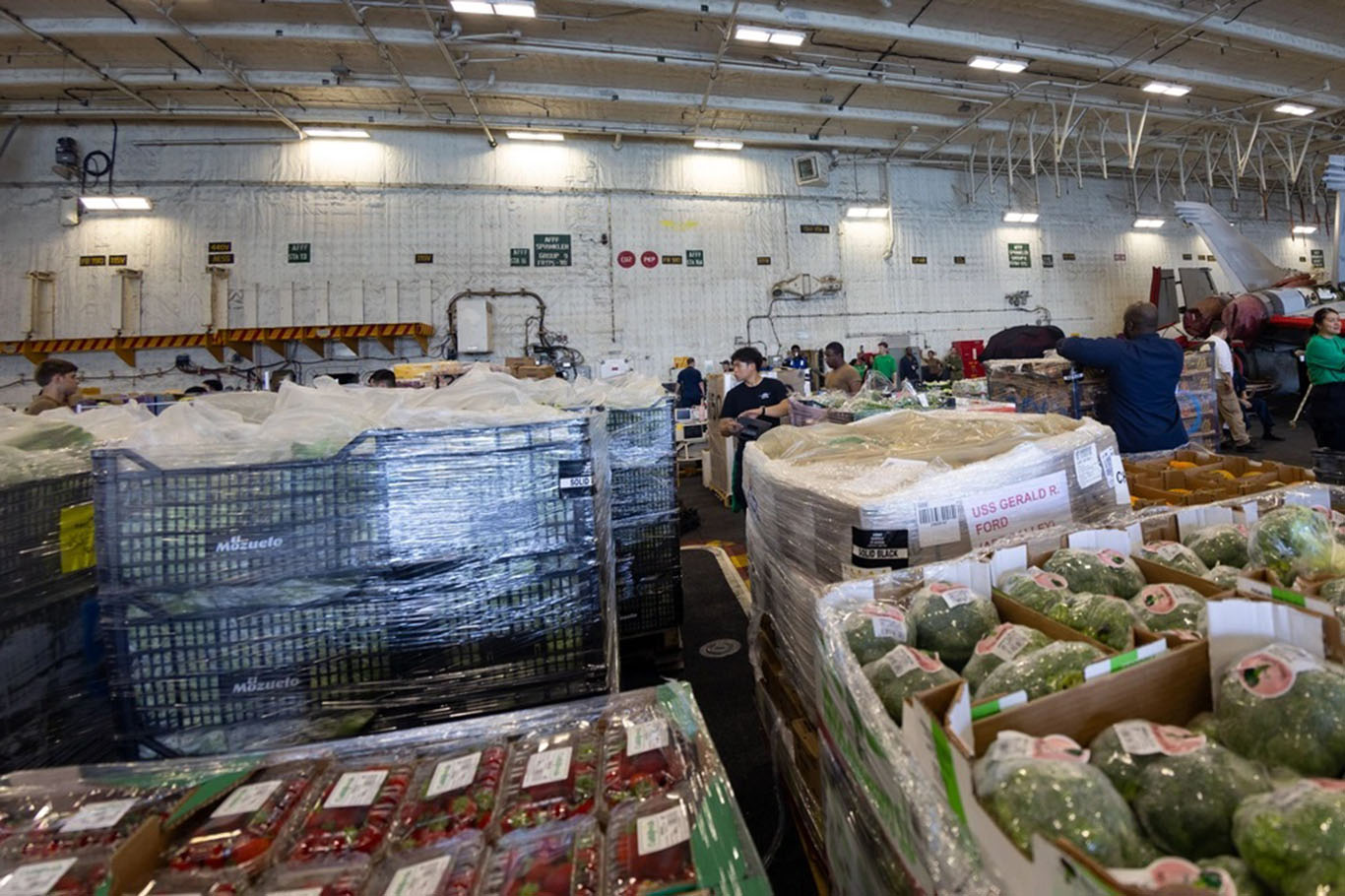
For American consumers, the economic impact is already visible in everyday life — from the gas pump to grocery stores — with little immediate relief in sight as the conflict continues. (ILKHA)
LEGAL WARNING: All rights of the published news, photos and videos are reserved by İlke Haber Ajansı Basın Yayın San. Trade A.Ş. Under no circumstances can all or part of the news, photos and videos be used without a written contract or subscription.

The chemical industry became the leading export sector in Türkiye's Mediterranean region in May, according to figures released by the Mediterranean Exporters' Associations (AKIB), while Spain emerged as the region's largest export destination during the month.

Turkish President Recep Tayyip Erdoğan has said that participation finance represents a more just and secure economic model not only for Muslim countries but for the global financial system as a whole.

Türkiye's Treasury and Finance Minister Mehmet Şimşek said inflation continued its downward trend in May, with consumer prices rising 1.7 percent on a monthly basis and 32.6 percent annually, according to the latest official data.

Turkish annual inflation rose to 32.61% in May, while monthly consumer prices increased by 1.71%, data from the Turkish Statistical Institute showed on Friday.