October 6-8 violence: Families still seeking accountability after 12 years
 13 oC
13 oC 
Güneşli

Twelve years after the October 6-8, 2014 violence in southeastern Türkiye, questions over accountability and the course of the judicial process continue to be raised by victims' families and their lawyers.
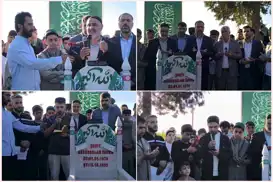
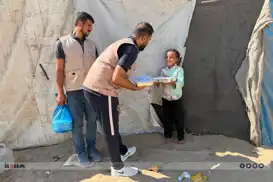
The violence, which erupted during Eid al-Adha following calls for protests over developments in Kobani, left numerous people dead and injured across the region. Among those killed were Yasin Börü and his friends, who were attacked in Diyarbakır while distributing sacrificial meat to poor families.
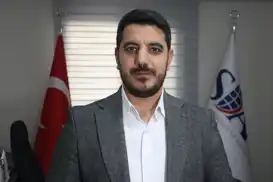
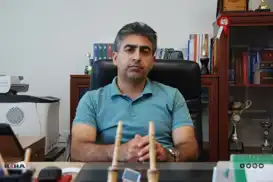
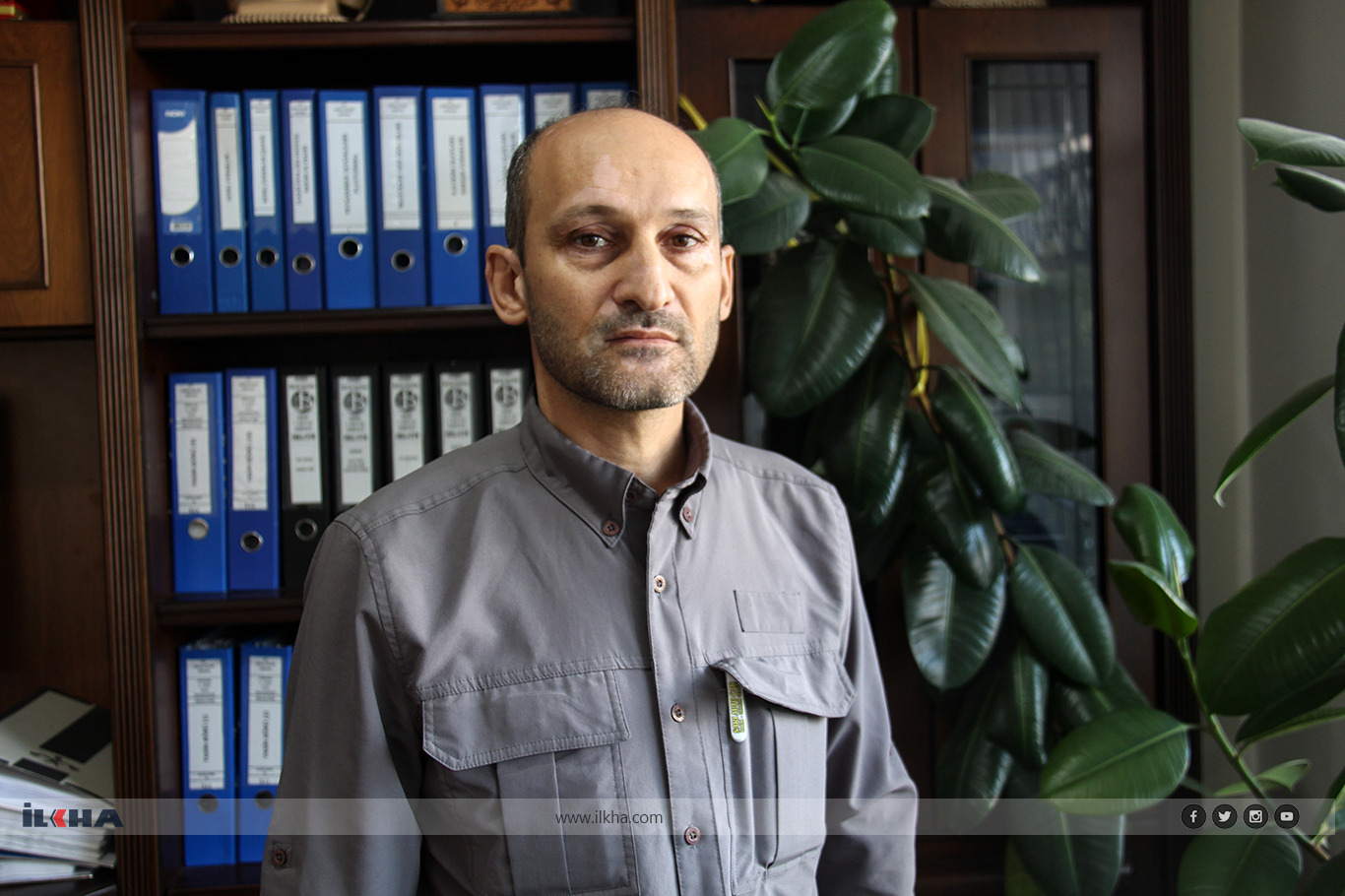
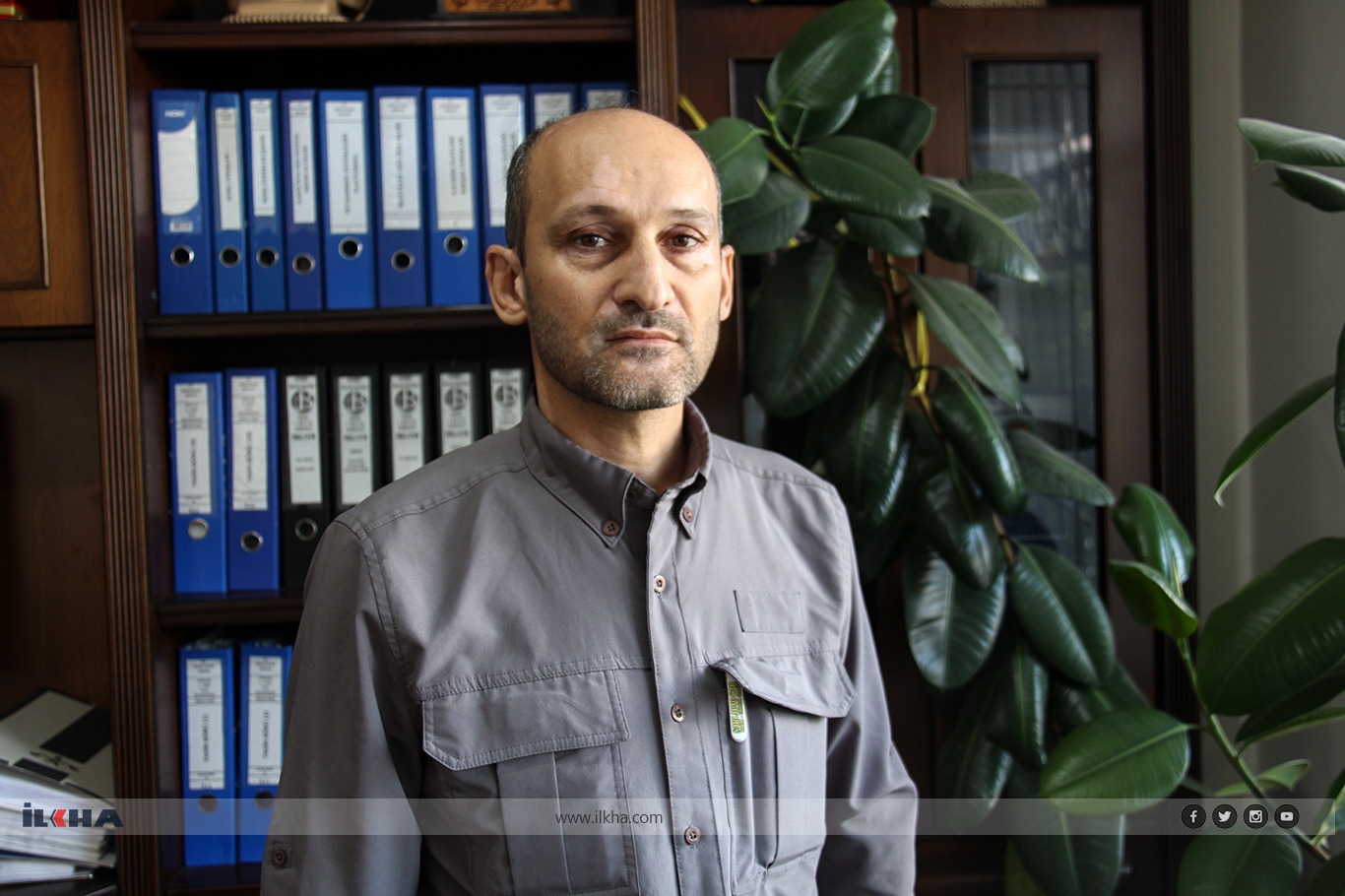
Lawyer Abdulgani Orhan, one of the lawyers involved in the October 6-8 case, said that although a number of people who physically participated in the attacks were convicted, those who allegedly encouraged or directed the violence, as well as public officials accused of negligence, had not been adequately held accountable.
“In the end, the majority of those who physically participated in the incident received sentences,” Orhan said. “Unfortunately, however, there was no serious trial of those who instigated the events, nor was an effective investigation conducted into state officials who were negligent.”
Orhan said the responsibility for the violence should be examined at three levels: those who directly carried out the attacks, those who encouraged or directed them, and public officials whose alleged negligence may have contributed to the failure to prevent the violence.
He said some defendants who were later apprehended were tried separately, while proceedings involving some of them remain before higher courts.
 According to Orhan, however, the judicial process did not adequately address the question of who was responsible for encouraging and directing the violence.
Referring to the case commonly known as the Kobani case, he said allegations concerning individuals accused of influencing the October 6-8 events were examined by Ankara's 22nd Heavy Penal Court.
“There are detainees in that file, but they were not detained for this crime; they were detained for other crimes,” Orhan said. “No one was given a sentence for instigating, directing or having an influence on the October 6-8 events.”
He said victims' families who suffered deaths, injuries and property losses had objected to the outcome and that the relevant judicial process remained before higher courts.
For Orhan, the killing of Yasin Börü and his friends remains one of the most painful aspects of the violence.
Börü, who was still a teenager, was distributing sacrificial meat to people in need with his friends when they were attacked and killed.
“Yasin Börü, as you know, was someone of child age,” Orhan said. “While he and those with him were distributing sacrificial meat to the poor out of religious feelings and engaging in charity work on the streets of Diyarbakır, they were unfortunately murdered.”
He said the passage of 12 years had done little to ease the pain of the families.
“The pain still retains its freshness,” he said.
The killing of Börü and his companions has remained a powerful symbol for Türkiye's Islamic and religious communities, who remember the young men primarily for their charitable work and commitment to helping people in need.
Orhan argued that the October 6-8 violence should be viewed not merely as a period of political unrest but also as a brutal assault on religiously committed people and Islamic charitable activities.
“When we look at the history of the Kurds, such a massacre is rare enough to be counted on the fingers of one hand,” he said.
He argued that the attacks went beyond preventing a charitable activity, saying they sought to intimidate religious people and suppress a generation committed to Islamic values.
“In other words, it was not only about blocking a religious activity or preventing the work of a devout generation,” Orhan said. “A great domination was established and a great atrocity was displayed against religious structures and devout people.”
Despite the brutality of the attacks, Orhan said those responsible ultimately failed to achieve their broader objectives.
Twelve years later, the October 6-8 violence remains one of the most painful episodes in the region's recent history. For the victims' families and the wider religious community, the demand for justice remains intertwined with the memory of those who lost their lives — particularly Yasin Börü and his friends, whose final moments were spent carrying out an act of charity for people in need. (ILKHA)
LEGAL WARNING: All rights of the published news, photos and videos are reserved by İlke Haber Ajansı Basın Yayın San. Trade A.Ş. Under no circumstances can all or part of the news, photos and videos be used without a written contract or subscription.

Türkiye’s hosting of the 31st Conference of the Parties to the UN Framework Convention on Climate Change (COP31), scheduled to take place in Antalya from November 9 to 20, 2026, has sparked debate over the economic, environmental and diplomatic implications of international climate policies.
Bosnia-Herzegovina’s first president remains an enduring inspiration for Muslims worldwide through his steadfast faith, intellectual legacy and struggle for his people’s freedom and dignity.

US President Donald Trump has drawn criticism after making remarks about the name “Muhammad” at an election rally in Georgia, prompting renewed concerns over the stereotyping of Muslims and the growing normalisation of anti-Islamic rhetoric in American political discourse.