Herat’s industrial sector employs 165,000 workers amid Afghanistan’s economic recovery efforts
 13 oC
13 oC 
Güneşli

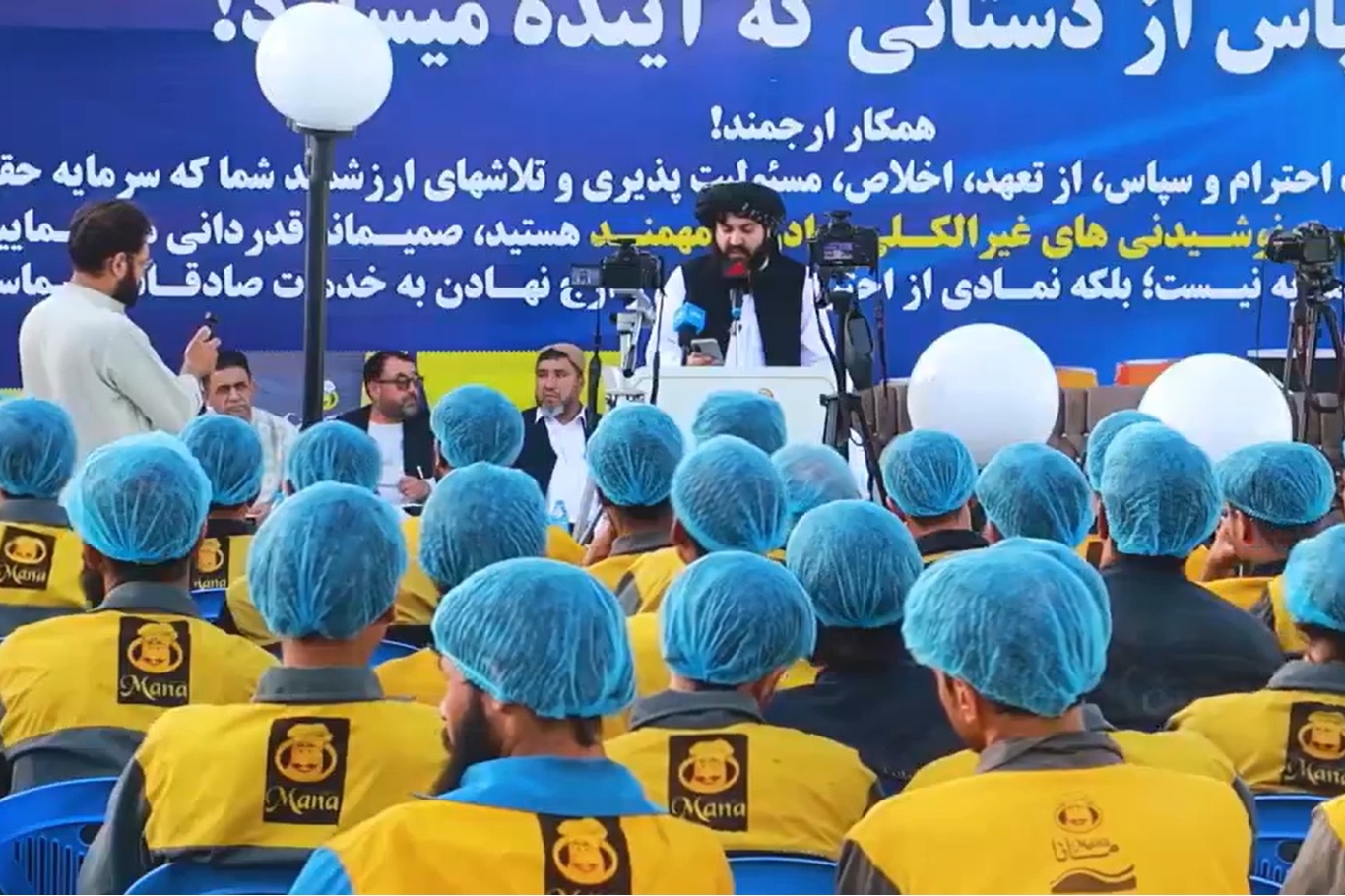
More than 165,000 people are currently employed in over 1,350 factories across Afghanistan’s western province of Herat, highlighting the growing importance of the province as one of the country’s leading industrial and manufacturing hubs.
According to figures reported by the state-run Bakhtar News Agency on Sunday, workers are employed across a wide range of industries, including food processing, pharmaceuticals, textiles, beverages, construction materials, and other essential manufacturing sectors.
Herat, which shares borders with Iran and Turkmenistan, has emerged as one of Afghanistan’s most significant economic centers in recent years. Officials say the province’s industrial parks have experienced steady growth as domestic investors continue to expand production capacity and establish new enterprises.
The report noted that thousands of workers are employed on regular shifts, typically working eight-hour days and earning wages that support their families. Factory owners and local authorities have described industrial development as a key source of employment in a country where job creation remains one of the government's most pressing economic challenges.
A wide range of manufacturing facilities currently operate in Herat’s industrial parks, including textile mills, pharmaceutical companies, food-processing plants, confectionery producers, beverage manufacturers, plastic and packaging firms, and construction-material factories. Officials say the number of active factories has continued to increase alongside private-sector investment.
Local business leaders have credited improvements in security and expanding trade opportunities with neighboring countries for helping stimulate industrial activity. Herat’s strategic location along major regional trade routes has also strengthened its role as a gateway for commerce between Afghanistan and international markets.
In recent months, Afghan authorities have repeatedly emphasized industrialization as a cornerstone of their economic development strategy. Efforts have been focused on increasing domestic production, reducing reliance on imports, and creating sustainable employment opportunities across the country.
Economic analysts note that Herat's industrial growth has been supported by rising investment in manufacturing infrastructure, growing demand for locally produced goods, and expanding trade links with regional partners. Several new industrial projects have reportedly been approved during the past year, particularly in the food-processing, pharmaceutical, and textile sectors.
Despite these gains, challenges remain. Afghan manufacturers continue to face obstacles including limited access to international banking services, energy shortages in some regions, fluctuating raw material costs, and transportation constraints. Business representatives have called for further investment in infrastructure, electricity generation, and export facilitation to support continued growth.
Officials in Herat have expressed optimism that industrial employment will continue to expand in the coming years as additional factories begin operations and new investment projects are implemented. They say the province’s industrial sector is playing an increasingly important role in strengthening Afghanistan’s economy and providing livelihoods for tens of thousands of families.
With more than 165,000 workers now employed in its factories, Herat remains at the forefront of Afghanistan’s industrial development efforts, serving as a key engine of production, investment, and job creation in the country’s evolving economic landscape. (ILKHA)
LEGAL WARNING: All rights of the published news, photos and videos are reserved by İlke Haber Ajansı Basın Yayın San. Trade A.Ş. Under no circumstances can all or part of the news, photos and videos be used without a written contract or subscription.
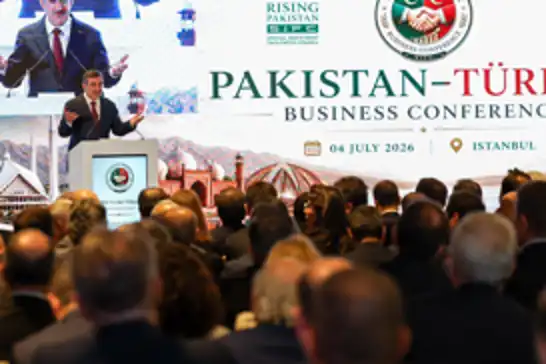
Türkiye and Pakistan reaffirmed their commitment to expanding bilateral trade to $5 billion, with Turkish Vice President Cevdet Yılmaz highlighting stronger cooperation in investment, manufacturing, technology and commerce during the Türkiye-Pakistan Business and Investment Forum held in Istanbul.

Türkiye’s June exports grew 21.9% year-on-year to almost $25 billion, while imports rose 23.1% to $35.3 billion, the Trade Ministry reported.

Türkiye's annual inflation rate eased to 32.11 percent in June 2026, while consumer prices increased by 0.99 percent on a monthly basis, according to data released Friday by the Turkish Statistical Institute (TurkStat).