Türkiye announces 27% minimum wage hike for 2026
 13 oC
13 oC 
Güneşli

The Turkish government announced a 27% increase in the national minimum wage for 2026 on Tuesday, a decision aimed at protecting workers from inflation but immediately rejected by the country's main labor union.
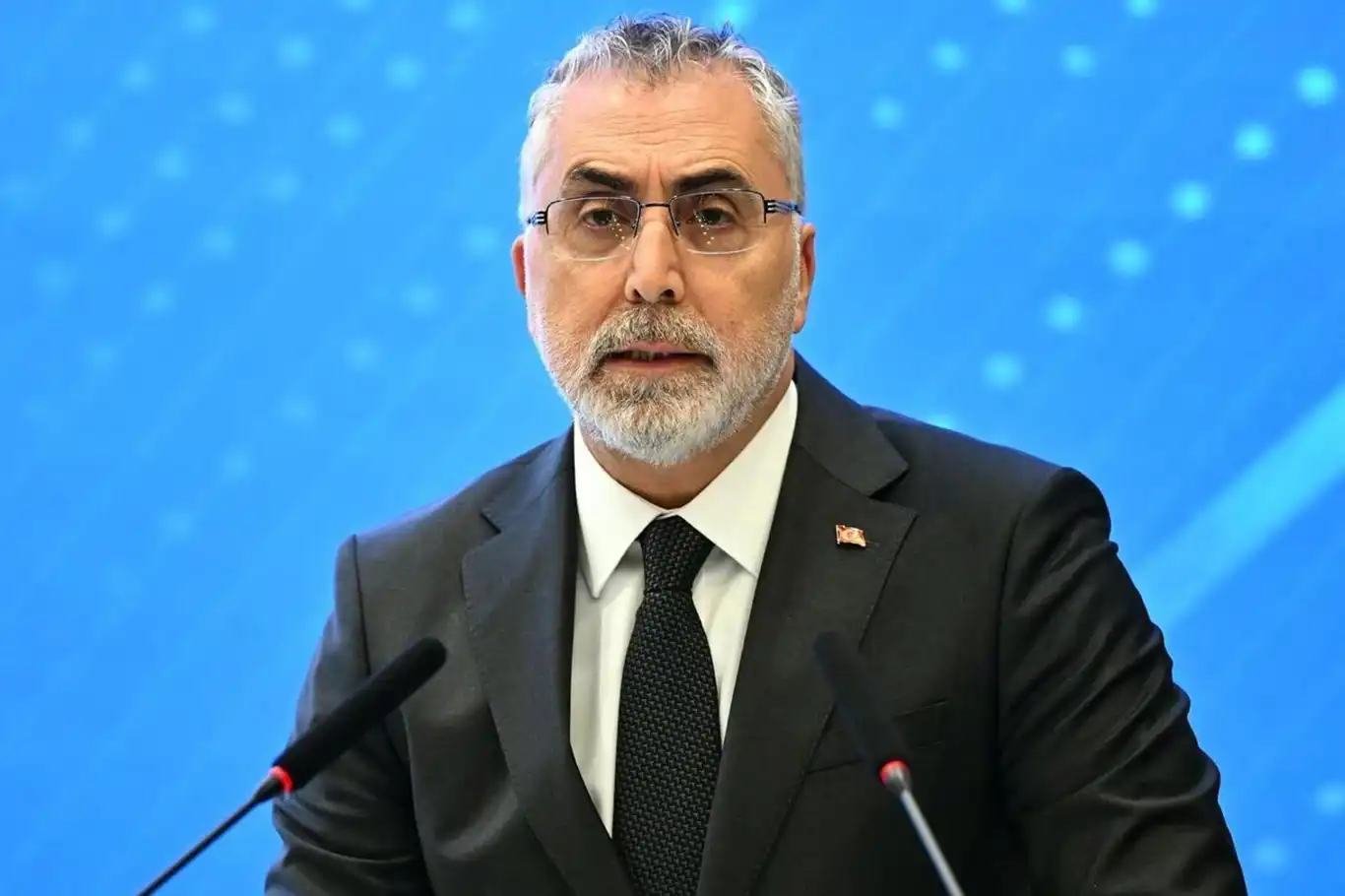
Net monthly pay will rise to 28,075 Turkish lira (approximately $655.5), up from 22,104 lira in 2025, Labor and Social Security Minister Vedat Işıkhan said at a press conference. The gross minimum wage will be set at 33,030 lira.
"With the new wage, we stand behind our promise of not letting our employees be crushed by inflation," Işıkhan stated. He emphasized the government's goal to ensure increases "do not melt away in bazaars, markets, and on store shelves," and to protect citizens' purchasing power.
The announcement followed the third meeting of the tripartite Minimum Wage Determination Commission, comprised of government, employer, and worker representatives. However, the talks were held without the participation of the major labor confederation Türk-İş, which has protested the commission's structure.
Türk-İş President Ergün Atalay swiftly condemned the raise. "This figure does not meet any of our demands; it is not a figure we can accept," he told reporters.
The 27% adjustment, slightly above the 25% forecast by many economists, will directly affect millions of workers and is a key benchmark for private-sector wages. It carries significant implications for inflation, labor costs, and future monetary policy.
The decision comes as Türkiye's annual inflation cooled to 31.1% in November, its lowest level in four years. Vice President Cevdet Yılmaz stated on Tuesday that the government's priority for 2026 is to bring inflation below 20%, aligning with the central bank's medium-term targets.
The Central Bank expects inflation to fall to an interim target of 16% by the end of 2026, following a 24% target for the end of 2025.
As part of the new wage package, government support for the minimum wage will also increase, from 1,000 lira to 1,270 lira per month. Yılmaz reiterated the government's commitment to ensuring social welfare "on a path where inflation is falling and productivity is rising." (ILKHA)
LEGAL WARNING: All rights of the published news, photos and videos are reserved by İlke Haber Ajansı Basın Yayın San. Trade A.Ş. Under no circumstances can all or part of the news, photos and videos be used without a written contract or subscription.
More than 300 businessmen from Asia, Europe, Africa, the Middle East, and the Gulf countries will gather in Kızılcahamam for the three-day event under the slogan “Ethical Trade, Strong Türkiye.”
The chemical industry became the leading export sector in Türkiye's Mediterranean region in May, according to figures released by the Mediterranean Exporters' Associations (AKIB), while Spain emerged as the region's largest export destination during the month.
Turkish President Recep Tayyip Erdoğan has said that participation finance represents a more just and secure economic model not only for Muslim countries but for the global financial system as a whole.
Türkiye's Treasury and Finance Minister Mehmet Şimşek said inflation continued its downward trend in May, with consumer prices rising 1.7 percent on a monthly basis and 32.6 percent annually, according to the latest official data.