Türkiye faces widespread disruption as heavy snowfall forces school closures across 25 provinces
 13 oC
13 oC 
Güneşli

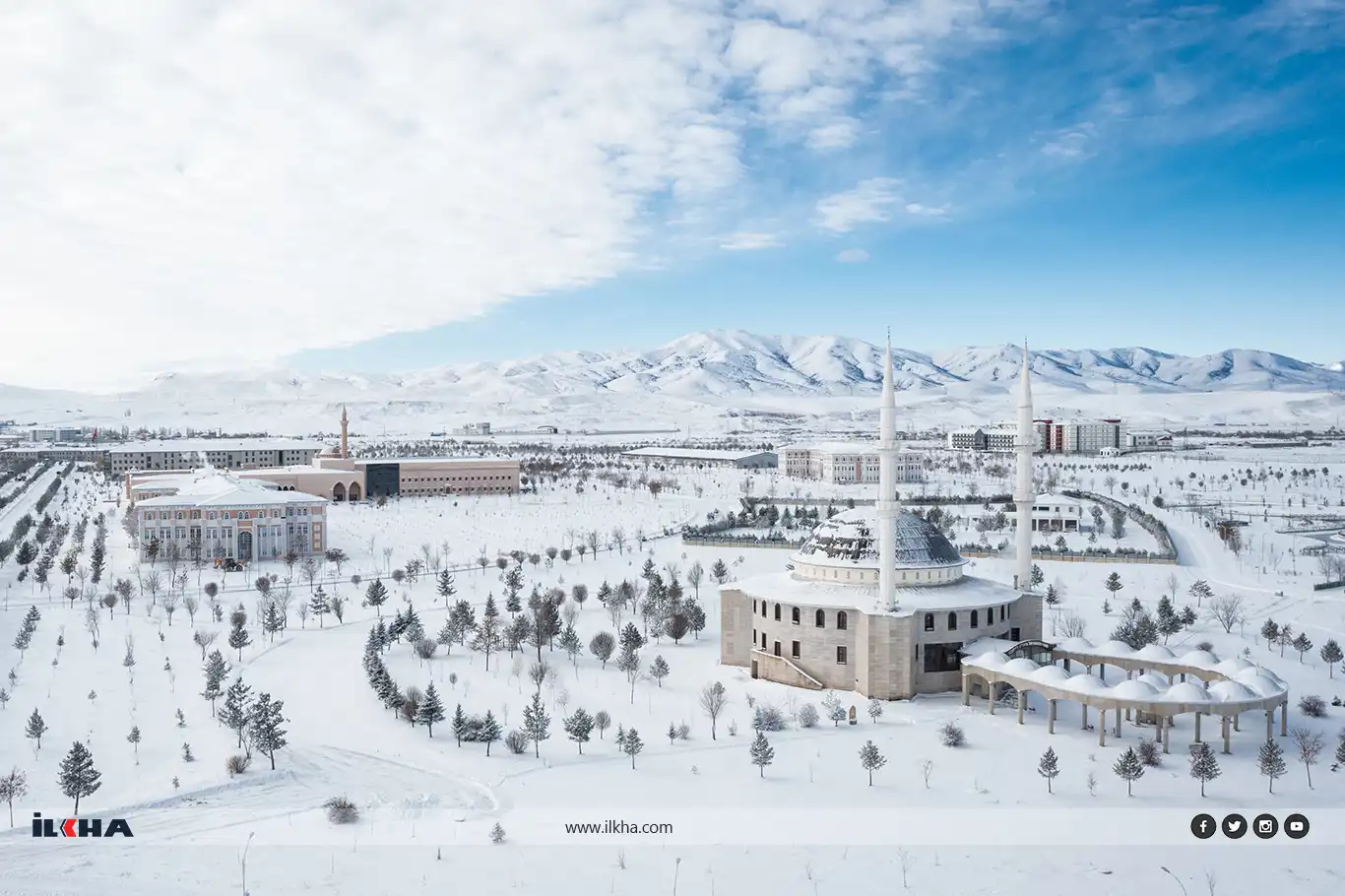
Severe winter weather sweeping across Türkiye has disrupted daily life, transportation, and education across large swathes of the country, prompting authorities to suspend schooling in dozens of provinces and districts as heavy snowfall, icy roads, and plunging temperatures persist.
As of Dec. 29, education has been suspended across a wide geographical area encompassing at least 25 provinces. Among those affected are Black Sea provinces such as Zonguldak and Karabük, eastern cities including Van and Muş, southeastern Mardin, and the northern province of Bolu. In several locations, provincial governors also placed public employees who are pregnant, disabled, or responsible for young children on administrative leave as a precaution against hazardous conditions.
In other parts of the country, partial measures were implemented. Provinces such as Gaziantep and Şanlıurfa announced district-level school closures or suspended only transported education, particularly in rural areas where icy roads pose a significant risk to student safety.
The harsh winter conditions have also severely impacted Türkiye’s transportation network. At Bolu Mountain, one of the country’s most critical transit corridors connecting Istanbul and Ankara, snowfall exceeding 40 centimeters led authorities to ban heavy trucks and lorries from sections of the highway. Traffic police redirected freight vehicles to alternative routes while road crews worked continuously to clear snow and spread salt. A truck slid off the road near toll booths during the storm, though officials confirmed no injuries were reported.
In Thrace, icy conditions caused multiple traffic accidents in the city of Edirne, where five vehicles were involved in separate incidents, underscoring the dangers posed by overnight freezing even in regions that did not receive heavy snowfall.
Eastern provinces have faced particularly severe challenges. In Ağrı, emergency crews and heavy machinery were deployed in difficult rescue operations to reach patients stranded in snowbound villages, with local authorities confirming that access to several rural settlements was temporarily cut off. In Muş, snow depths exceeding 20 centimeters forced livestock breeders to undertake arduous efforts to feed their animals on frozen ground. While conditions remain difficult, many farmers noted that the delayed onset of winter this year helped preserve fodder supplies, preventing a more severe crisis.
Meteorological authorities warn that the cold wave has not yet run its course. Avalanche warnings remain in effect for high-altitude regions in southeastern Türkiye, while the Western Black Sea region is bracing for an additional 20 centimeters of snowfall over the coming days. Officials urged citizens to avoid unnecessary travel and to follow local advisories closely.
Amid the ongoing freeze, the eastern province of Kars is also preparing for its annual commemorations of the 1914–1915 Sarıkamış Campaign. Despite the severe weather, artisans have begun shaping large snow monuments honoring Ottoman soldiers who perished during the campaign. These memorial events, traditionally held in early January, serve as a solemn reminder of the region’s long and often tragic history with brutal winters.
Authorities say emergency response teams, municipal services, and road maintenance crews remain on high alert nationwide as Türkiye continues to battle one of the harshest winter spells of the season. (ILKHA)
LEGAL WARNING: All rights of the published news, photos and videos are reserved by İlke Haber Ajansı Basın Yayın San. Trade A.Ş. Under no circumstances can all or part of the news, photos and videos be used without a written contract or subscription.
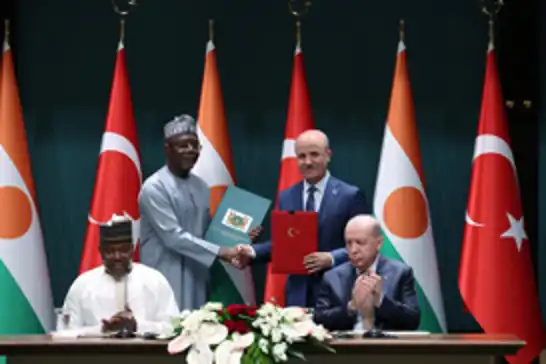
Türkiye and Niger have signed a cooperation protocol aimed at strengthening collaboration in higher education for the 2026–2030 period.

Speaker of the Grand National Assembly of Türkiye (TBMM), Numan Kurtulmuş, was received by Sweden’s King Carl XVI Gustaf as part of his official contacts in the country.

Türkiye’s Presidential Communications Director Burhanettin Duran has marked World Environment Day on June 5 with a message emphasizing environmental protection, sustainability, and responsible resource use.

The Association of Just Industrialists and Businessmen (HAKSIAD) marked World Environment Day on June 5 with a message emphasizing that environmental protection is a shared responsibility and a trust entrusted to humanity.