Türkiye's cultural spending surges over 83% in 2024
 13 oC
13 oC 
Güneşli

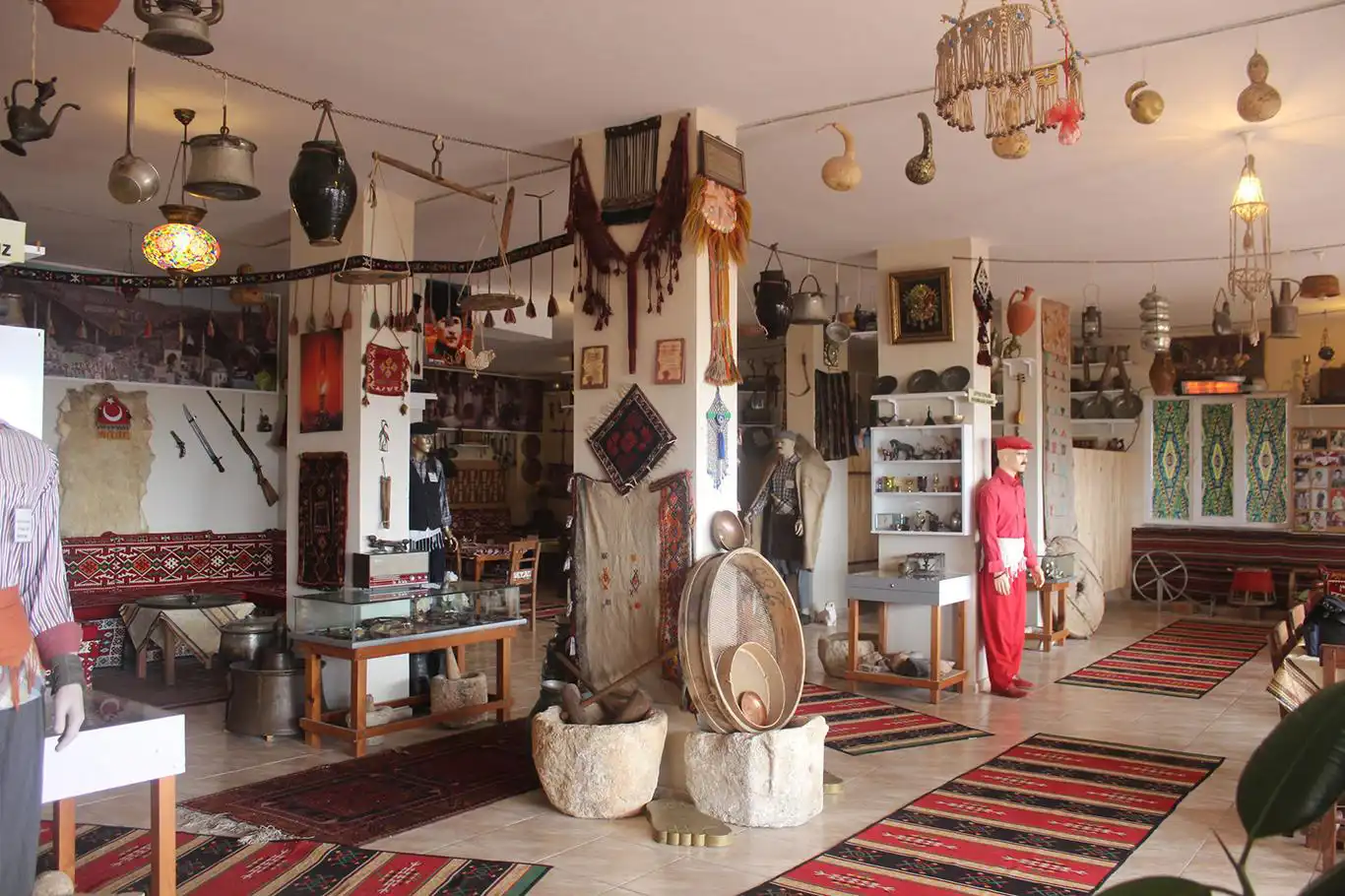
Türkiye's total cultural expenditures skyrocketed by 83.3% in 2024, reaching 408 billion 339 million Turkish Lira (TRY), according to data released by the Turkish Statistical Institute (TÜİK) on Monday.
This spending represented 0.9% of the nation's gross domestic product (GDP) for the year.
The figures reveal a significant nationwide investment in culture, split nearly evenly between the public and private sectors. General government expenditures accounted for 49.1% of the total, or 200.4 billion TRY—a 76.1% increase from 2023. The central government budget financed 67.8% of this public spending, with the largest share (17.7%) directed toward cultural heritage.
On the private side, household cultural expenditures saw an even sharper rise of 91.5%, climbing to 203.8 billion TRY. Household spending was led by purchases of information processing equipment (25.0%), followed by cultural services (24.3%) and books (18.1%).
The cultural sector demonstrated robust economic activity. The value added at factor cost for cultural enterprises grew by 73.9% to 188.5 billion TRY. Leading contributors included enterprises in printing and reproduction of recorded media (20.7%), motion picture and television production (13.1%), and architectural activities (11.6%).
International trade in cultural goods showed a dramatic shift. While exports increased modestly by 8.1% to $9.9 billion, imports surged by a staggering 166% to $7.3 billion. Notably, the handicrafts domain led both export and import volumes. Despite the import spike, cultural goods maintained a positive trade balance, with exports constituting 4.2% of Türkiye's total goods exports.
Cultural employment also expanded, rising by 6.5% to 957,000 individuals, representing 2.9% of total national employment. The sector neared gender parity, with 52.2% male and 47.8% female workers. Educational attainment was high, with 45.4% of cultural employees being higher education graduates.
Handicraft workers formed the largest occupational group at 32.6%, followed by architects, planners, and designers (19.2%), and authors, journalists, and linguists (8.2%). Gender distribution varied widely by profession, with other language teachers having the highest female employment rate (77.7%) and artistic associate professionals the lowest (28.2%).
The data underscores a year of substantial growth and increased economic activity across Türkiye's cultural landscape, driven by both substantial public investment and vigorous private consumption. (ILKHA)
LEGAL WARNING: All rights of the published news, photos and videos are reserved by İlke Haber Ajansı Basın Yayın San. Trade A.Ş. Under no circumstances can all or part of the news, photos and videos be used without a written contract or subscription.

Türkiye’s Gross Domestic Product (GDP) grew by 3.7% in the third quarter of 2025 compared with the same period of the previous year, the Turkish Statistical Institute (TurkStat) announced on Monday.

Türkiye’s Services Producer Price Index (S-PPI) recorded a significant increase in October 2025, rising by 34.85% compared with the same month of the previous year, the Turkish Statistical Institute (TurkStat) announced on Friday.
Türkiye’s seasonally adjusted unemployment rate fell slightly to 8.5% in October, down 0.1 percentage point from the previous month, the Turkish Statistical Institute (TÜİK) announced on Friday.