HÜDA PAR submits bill to expand single-gender education options in Türkiye
 13 oC
13 oC 
Güneşli

HÜDA PAR (Free Cause Party) has submitted a legislative proposal to the Grand National Assembly of Türkiye (TBMM) seeking to expand educational choice by allowing schools, or individual classes within schools, to provide single-gender education based on parental demand and societal needs.
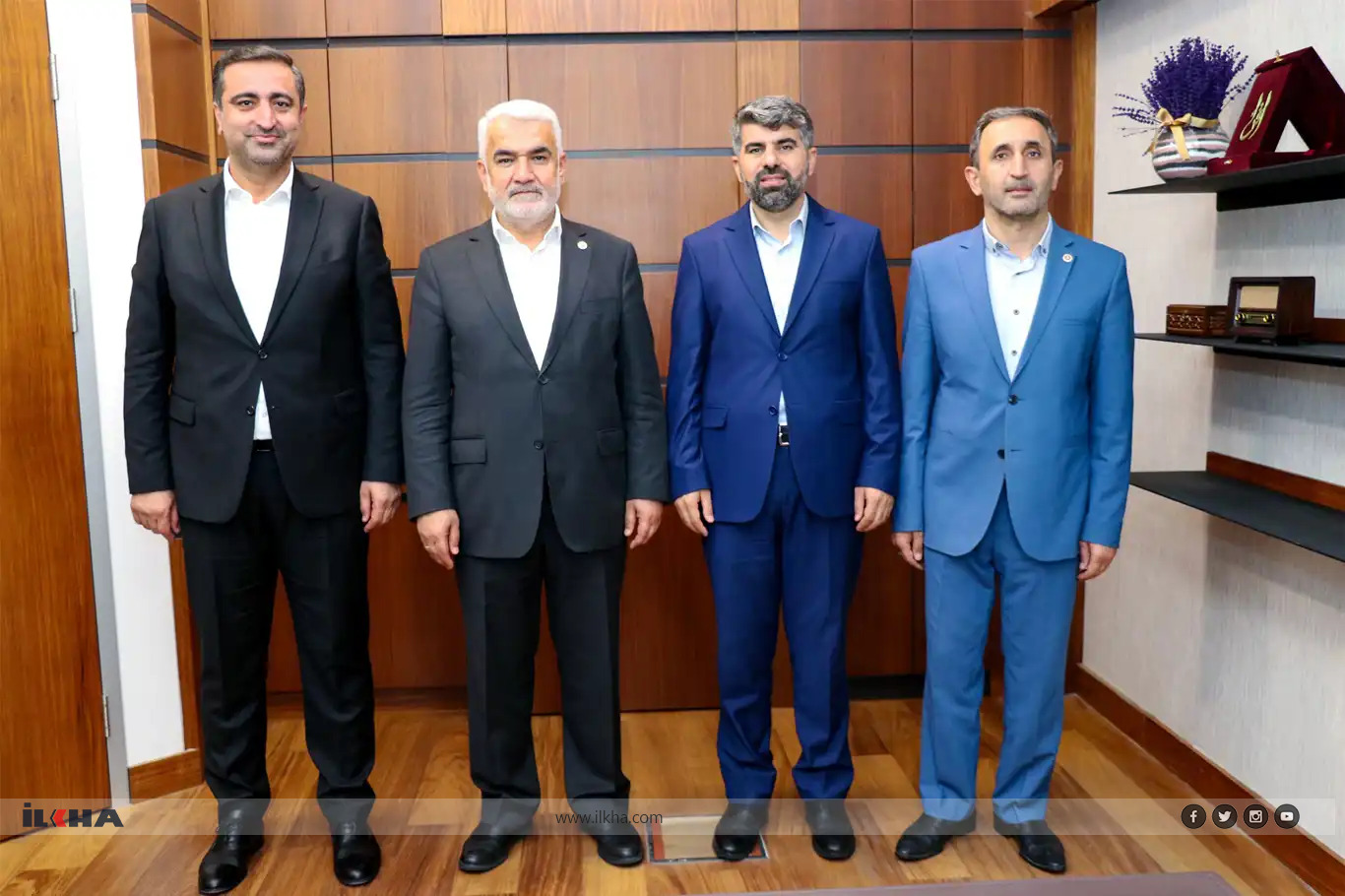
The "Proposal for Amending the Basic National Education Law" was submitted to the TBMM Presidency with the signatures of HÜDA PAR Chairman Zekeriya Yapıcıoğlu, Gaziantep MP Şahzade Demir, Mersin MP Faruk Dinç, and Batman MP Serkan Ramanlı.
The proposal aims to amend Article 15 of the Basic National Education Law No. 1739, which currently establishes co-education as the general principle in Türkiye's education system while permitting the establishment of girls-only or boys-only schools under certain circumstances.
Proposal seeks broader flexibility
Under the current law, the provision states:
"Co-education of girls and boys in schools is fundamental. However, depending on the type of education, facilities, and necessities, some schools may be designated exclusively for girls or exclusively for boys."
The proposed amendment would replace the word "necessities" with "needs", broadening the legal basis for establishing single-gender educational settings.
If adopted, the legislation would not only allow the opening of girls-only and boys-only schools based on educational needs, but would also permit specific classes within mixed schools to be designated exclusively for female or male students.
HÜDA PAR says proposal responds to public demand
In the bill's general justification, HÜDA PAR argues that educational services should be organized in accordance with the preferences of families, the abilities of students, and the needs of society.
The proposal states that the education system should also accommodate parents and students who prefer non-coeducational education, emphasizing that the legislation is intended to address existing societal demands.
"With this proposal, Article 15 of the Basic National Education Law is being amended; it allows certain classes in schools to be separated for girls only or boys only, enabling non-coeducational education," the justification states.
The party also stressed that the proposed amendment remains consistent with existing legislation, which already permits the establishment of schools exclusively for girls or boys.
Proposal cites educational rights
The legislative proposal reviews the historical development of co-education in Türkiye, noting that mixed-gender education was introduced in primary schools in 1924 and expanded to secondary education in 1927.
According to the proposal, co-education gradually evolved into a compulsory model, particularly following policies implemented during the February 28 process, which it argues restricted educational choices for families seeking single-gender education.
The justification contends that making co-education mandatory for all students constitutes a violation of educational rights.
"Every individual, male or female, should have the right to receive non-coeducational education that suits their nature, talents, and characteristics. Parents should also be given a choice in this matter," the proposal states.
International examples cited
HÜDA PAR also points to international debates over education models, arguing that interest in single-gender education has increased in various countries.
The proposal claims that recent research and educational assessments have questioned the pedagogical effectiveness of compulsory co-education and suggests that single-gender classrooms have produced positive educational outcomes in several countries, including European nations, Japan, the United States, and Australia.
Aim is to strengthen educational choice
In the article-by-article justification, HÜDA PAR says the proposed amendment is intended to strengthen the right to education by removing barriers that prevent families from choosing their preferred educational model.
The proposal argues that replacing the concept of "necessities" with "needs" would allow education authorities to better respond to public demand while expanding educational options within the existing school system.
The bill will now be considered by the Turkish Parliament, where it will undergo committee review before any potential debate in the General Assembly. (ILKHA)
LEGAL WARNING: All rights of the published news, photos and videos are reserved by İlke Haber Ajansı Basın Yayın San. Trade A.Ş. Under no circumstances can all or part of the news, photos and videos be used without a written contract or subscription.
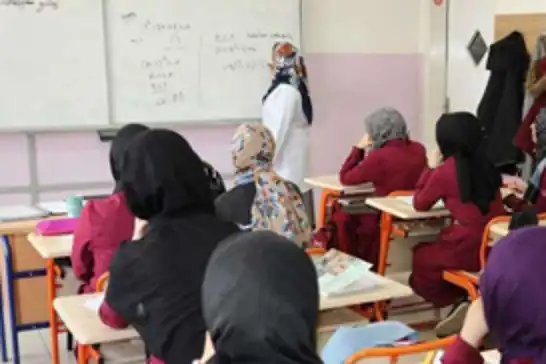
A total of 17,704,308 students received formal education in Türkiye during the 2025-2026 academic year, according to the Ministry of National Education’s (MEB) "National Education Statistics: Formal Education 2025-2026" report.

HÜDA PAR's Education Affairs Directorate has called for a review of security measures around schools following an armed attack near a high school in Turgutlu district of Manisa province that injured several students.
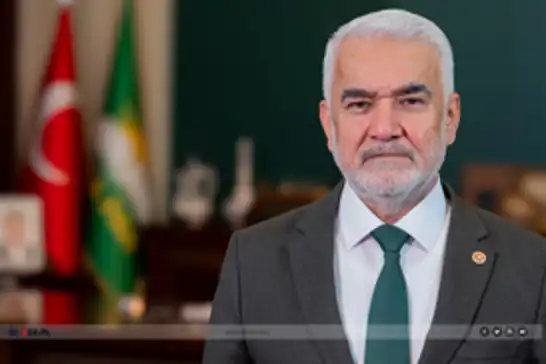
HÜDA PAR (Free Cause Party) Chairman Zekeriya Yapıcıoğlu called on the government to strengthen values-based education and ease school-related costs for families as the 2026-2027 academic year began on Monday.
Turkish President Recep Tayyip Erdoğan has highlighted Türkiye’s strong performance in the latest international education assessment, saying the country recorded the largest increase in scores among OECD members across science, mathematics and reading.