DR Congo reports 72 new Ebola cases in 24 hours as outbreak accelerates
 13 oC
13 oC 
Güneşli

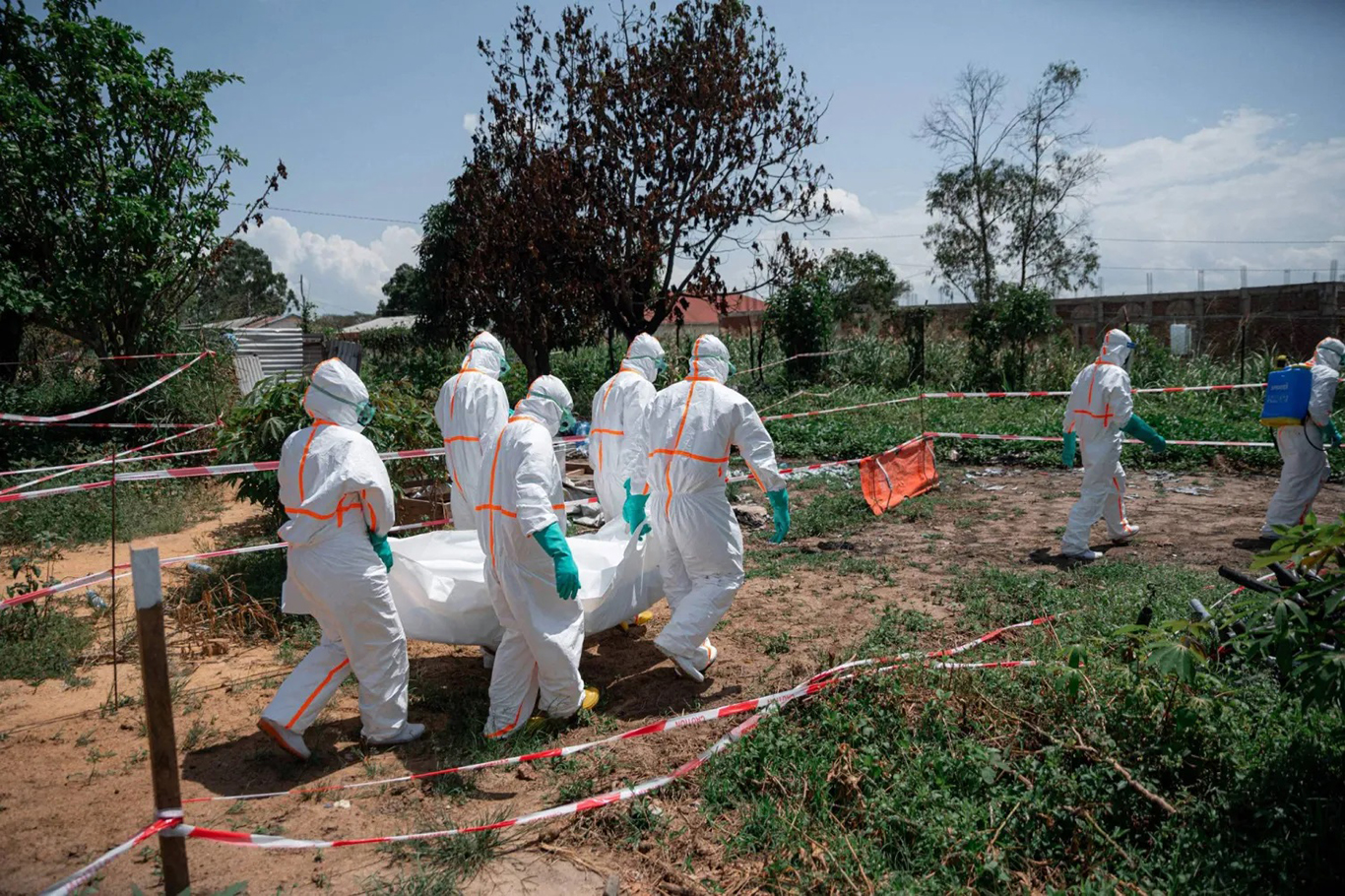
Health authorities in the Democratic Republic of the Congo have reported a dramatic rise in Ebola infections, warning that the outbreak is spreading rapidly in a remote and conflict-affected region where population movement is complicating containment efforts.
The Congolese Ministry of Health said on Sunday that 72 new cases were confirmed within a 24-hour period, bringing the total number of confirmed infections to 782. The outbreak has so far resulted in 181 confirmed deaths, including 29 additional fatalities reported in the same period.
Officials described the increase as one of the highest daily jumps since the outbreak began a month ago, raising concerns that the virus is spreading faster than response teams can contain it.
Kate White, emergency medical coordinator for Doctors Without Borders (MSF) in Congo, warned that the scale of the outbreak remains uncertain.
“One month on, the Ebola disease outbreak is outpacing the response effort,” White said. “No one knows the true scale or exactly where the disease is spreading in Congo.”
MSF said treatment centers in the hardest-hit areas are overwhelmed, with many patients arriving in advanced stages of illness and often not having been identified as contacts of infected individuals. The organization said this suggests significant gaps in contact tracing and early detection.
The outbreak, which was officially confirmed on May 15 but is believed to have begun weeks earlier, is caused by the rare Bundibugyo strain of the Ebola virus. Unlike the more common Zaire strain—against which vaccines exist and which has driven most of Congo’s previous outbreaks—the Bundibugyo variant complicates vaccination-based containment strategies.
The epidemic is heavily concentrated in the eastern province of Ituri, which accounts for more than 90% of all cases. Additional infections have been reported in North Kivu and South Kivu, with cross-border spread confirmed into neighboring Uganda.
Congo’s health ministry said the rising case numbers partly reflect improved surveillance, noting that community members are increasingly reporting suspected infections. However, officials also acknowledged major challenges in tracking transmission chains.
Contact tracing coverage has reportedly fallen to 56%, down sharply from the previous week, as health teams struggle to locate exposed individuals across vast and unstable regions. Authorities have cited community resistance in some areas, alongside the rapid expansion of cases into new health zones.
The humanitarian situation in eastern Congo has further complicated the response. Nearly one million people have been displaced in Ituri due to ongoing conflict, according to United Nations humanitarian data. Dense forests, poor infrastructure, and long travel times between remote villages have made disease monitoring and response logistics extremely difficult.
Health officials also noted that highly mobile populations, including thousands of artisanal miners moving between remote sites, are making it harder to track potential chains of infection.
Despite the surge in cases, the ministry reported that 40 patients have recovered since the outbreak began. The current case fatality rate stands at approximately 23%.
The World Health Organization (WHO) said it is increasing testing, contact tracing, and treatment capacity, with additional supplies deployed to affected regions. The Africa Centres for Disease Control and Prevention also confirmed it is providing technical assistance and supporting laboratory and community engagement efforts.
Jean Kaseya, head of the Africa CDC, urged stronger international cooperation to contain the outbreak.
“We remain committed to supporting affected countries until transmission is stopped,” he said. “We call on partners and donors to urgently mobilize resources to strengthen the response and save lives.”
As health teams race to contain the spread, officials warn that insecurity, displacement, and weak surveillance systems could continue to fuel transmission in one of the world’s most challenging environments for epidemic control. (ILKHA)
LEGAL WARNING: All rights of the published news, photos and videos are reserved by İlke Haber Ajansı Basın Yayın San. Trade A.Ş. Under no circumstances can all or part of the news, photos and videos be used without a written contract or subscription.
France has reported the first documented case of human infection with the Shamonda virus, which has previously been detected only in animals, the World Health Organization (WHO) said Thursday.
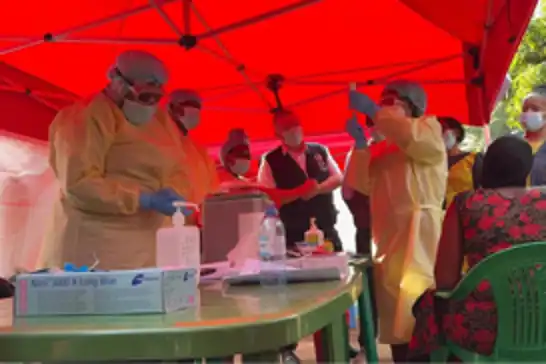
The World Health Organization (WHO) on Thursday warned that the ongoing Ebola outbreak has become a regional public health concern, urging African countries to strengthen coordination as infections spread across Central, Eastern and Western Africa.
Türkiye's Directorate of Religious Affairs (Diyanet) dedicated this week's Friday sermon to Gaza, describing the ongoing genocide as "humanity's test" and calling on Muslims to stand with the Palestinian people through solidarity, remembrance and a principled boycott against oppression.
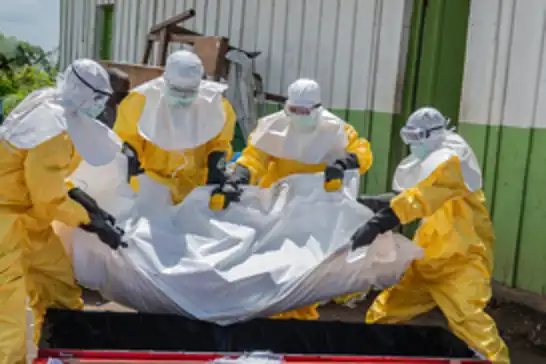
A candidate vaccine against the deadly Bundibugyo strain of Ebola has entered a new phase of clinical testing in Uganda, as health authorities accelerate efforts to develop effective vaccines against a virus that has caused one of the largest and fastest-growing Ebola outbreaks ever recorded in the Democratic Republic of the Congo (DRC).