Global health agencies race to contain surge in rare Ebola variant as cases top 1,000
 13 oC
13 oC 
Güneşli

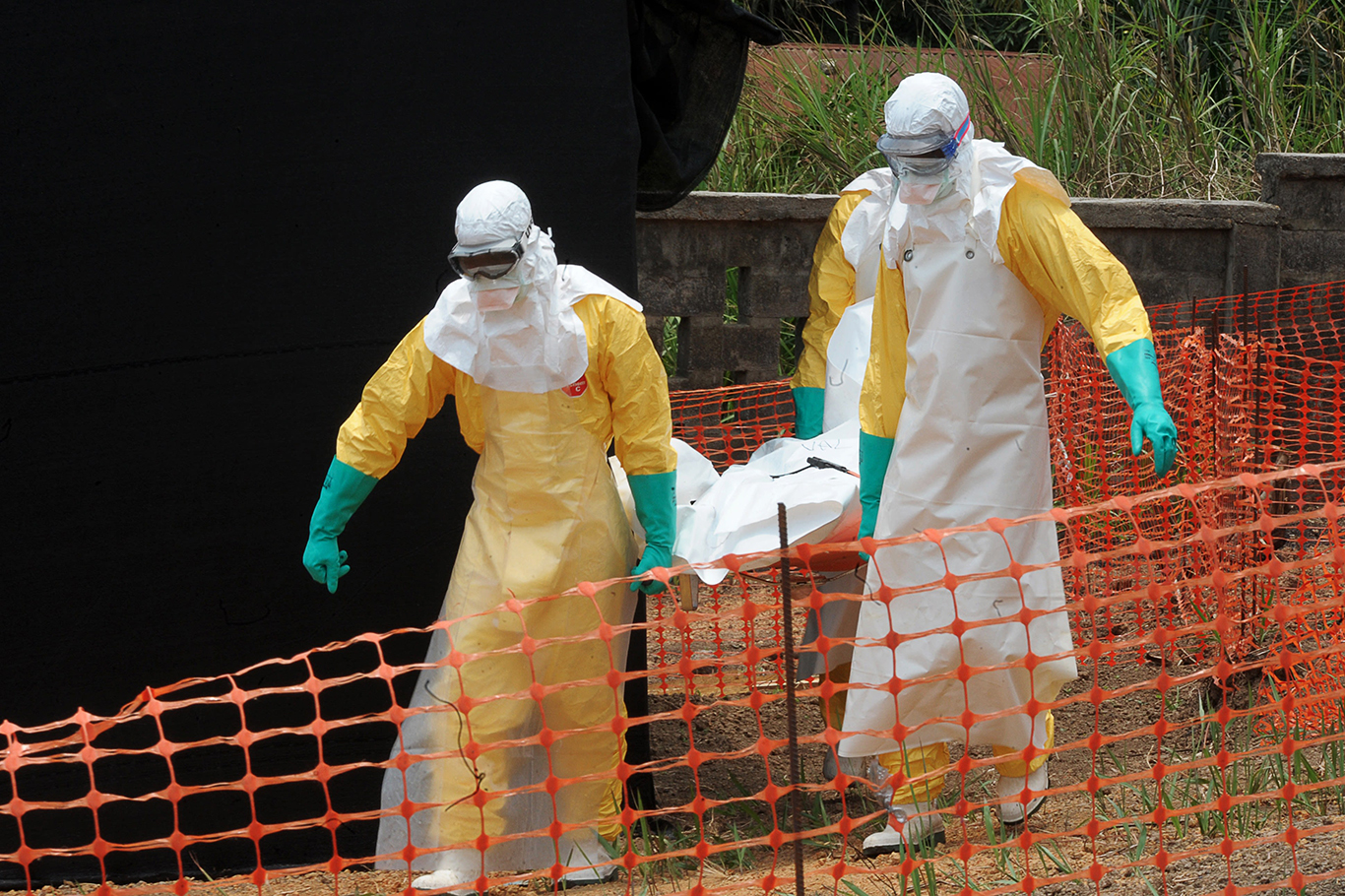
A rapidly expanding Ebola outbreak utilizing a rare, vaccine-resistant strain has surpassed 1,000 suspected cases across the Democratic Republic of the Congo (DRC) and neighboring Uganda, triggering a massive international containment effort.
The World Health Organization (WHO) has officially designated the crisis a Public Health Emergency of International Concern (PHEIC), citing the virus's rapid geographic expansion, cross-border transmission, and an ongoing humanitarian conflict that is actively crippling medical response teams.
On Friday, Congolese Health Minister Samuel Roger Kamba announced that the country’s suspected cases have spiked to 1,028. Currently, 125 cases and 17 deaths have been laboratory-confirmed across the DRC provinces of Ituri, North Kivu, and South Kivu. Uganda has also confirmed nine cases and one fatality, primarily tied to cross-border travel from the DRC.
Unlike recent epidemics that were successfully curbed using stockpiled vaccines, the current outbreak is driven by the Bundibugyo strain of the virus. There is currently no approved vaccine or specific therapeutic treatment for this variant.
Compounding the crisis, experts believe the virus may have circulated undetected for weeks after originating in the Mongbwalu mining region. Because standard field diagnostic kits are designed to flag the more common Zaire strain, early Bundibugyo cases went completely unnoticed.
While clinical trials for experimental treatments are being fast-tracked for later this year, medical teams are currently entirely reliant on supportive care.
WHO Director-General Tedros Adhanom Ghebreyesus traveled directly to Bunia, the outbreak's epicenter in Ituri Province, to assess the escalating emergency firsthand.
Tedros issued an urgent plea to local armed factions to halt hostilities, warning that active conflict, attacks on clinics, and mass displacement are making contact tracing nearly impossible. More than 245,000 people have been displaced in the region since the start of last year alone.
"Insecurity is severely hampering our ability to identify cases and isolate infected individuals," the WHO warned in a recent briefing, noting that over 2,200 known contacts are currently moving through volatile zones.
Preliminary data suggests a grim trajectory for those infected. According to Anais Legand of the WHO Health Emergencies Programme, the virus is currently carrying a projected mortality rate of 30% to 50%.
Despite the alarming figures, health officials offered a glimmer of hope this week, celebrating the discharge of the outbreak's first fully recovered patient from a DRC treatment center. Furthermore, officials clarified that the sudden surge past 1,000 cases is partially due to ramped-up surveillance and expanded laboratory testing capacities finally clearing a massive backlog of samples.
This marks the 17th Ebola outbreak in the DRC since 1976. In response to its resurgence, Uganda has implemented strict border restrictions, and neighboring nations have heightened screening at all ports of entry.
However, the WHO has publicly advised against total, blanket border closures, warning that aggressive travel bans historically backfire by driving infected individuals into hiding and severely hindering transparent case reporting. (ILKHA)
LEGAL WARNING: All rights of the published news, photos and videos are reserved by İlke Haber Ajansı Basın Yayın San. Trade A.Ş. Under no circumstances can all or part of the news, photos and videos be used without a written contract or subscription.

Obesity rates in Türkiye have continued to rise, with new official data showing that more than one in five adults is now classified as obese, while physical inactivity remains widespread and tobacco consumption is increasing.
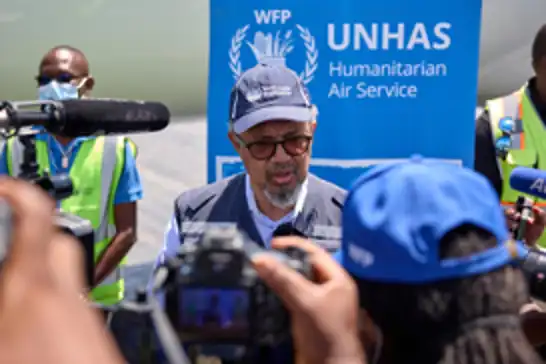
World Health Organization Director-General Dr. Tedros Adhanom Ghebreyesus has called on countries imposing travel restrictions and border closures in response to the ongoing Ebola outbreak to reconsider their measures, warning that such actions could undermine transparency and global solidarity efforts.

The World Health Organization (WHO) has issued a renewed global warning over the growing use of tobacco and nicotine products among children and teenagers, urging governments to take stronger measures to prevent a new generation from becoming addicted.