WHO warns of rising youth nicotine addiction ahead of World No Tobacco Day

 13 oC
13 oC 
Güneşli

The World Health Organization (WHO) has issued a renewed global warning over the growing use of tobacco and nicotine products among children and teenagers, urging governments to take stronger measures to prevent a new generation from becoming addicted.
Ahead of World No Tobacco Day on May 31, WHO said at least 40 million children aged 13 to 15 worldwide currently use tobacco products, while the popularity of e-cigarettes and nicotine pouches among young people continues to rise.
Health officials warned that tobacco and nicotine companies are increasingly designing products to appear attractive, modern, and easy to use, particularly targeting adolescents through flavored products, colorful packaging, and social media marketing campaigns.
“Even as tobacco continues to kill millions of people, major tobacco companies are reinventing their business model,” said Etienne Krug, Director of WHO’s Department of Health Determinants, Promotion and Prevention.
According to WHO, companies are continuing to profit from traditional cigarettes while aggressively expanding the market for flavored e-cigarettes, nicotine pouches, and similar products aimed at younger consumers.
Growing concerns over nicotine pouches
WHO recently highlighted nicotine pouches as one of the fastest-growing nicotine products globally. The organization warned that these products are being heavily promoted online through influencers, lifestyle branding, and sweet or candy-like flavors designed to attract teenagers and young adults.
A recent WHO report found that around 160 countries still lack specific regulations governing nicotine pouches despite rapidly increasing global sales.
Public health experts say the absence of regulation leaves millions of young people exposed to addictive products marketed with tactics similar to those previously used for cigarettes and vaping devices.
Calls for stronger government action
WHO urged governments to adopt stricter tobacco-control measures, including banning flavored nicotine products, restricting advertising and sponsorships, expanding smoke- and vape-free public spaces, and strengthening enforcement against illegal marketing practices.
The organization stressed that nicotine is highly addictive and can be particularly harmful to children, adolescents, and young adults whose brains are still developing.
Rio de Janeiro highlighted as model initiative
WHO pointed to local and national governments that have intensified efforts to combat youth nicotine addiction. Among the examples highlighted was Rio de Janeiro, where authorities have strengthened enforcement against e-cigarette sales and advertising.
The Brazilian city has also conducted large-scale inspections, expanded smoke-free laws to include vaping products, and launched public awareness campaigns aimed at reducing nicotine use among young people.
Global health impact remains severe
WHO estimates that tobacco use kills more than 7 million people annually and remains one of the leading causes of preventable death worldwide.
Smoking and nicotine addiction are linked to cardiovascular diseases, respiratory illnesses, and more than 20 types of cancer, placing enormous pressure on healthcare systems globally.
As World No Tobacco Day approaches, WHO is encouraging more than one billion tobacco and nicotine users worldwide to begin quitting efforts and break free from addiction.
Health officials say preventing youth addiction remains one of the most urgent challenges facing global public health in the years ahead. (ILKHA)
LEGAL WARNING: All rights of the published news, photos and videos are reserved by İlke Haber Ajansı Basın Yayın San. Trade A.Ş. Under no circumstances can all or part of the news, photos and videos be used without a written contract or subscription.

Obesity rates in Türkiye have continued to rise, with new official data showing that more than one in five adults is now classified as obese, while physical inactivity remains widespread and tobacco consumption is increasing.
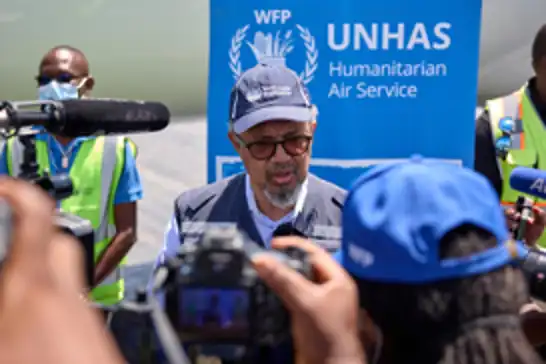
World Health Organization Director-General Dr. Tedros Adhanom Ghebreyesus has called on countries imposing travel restrictions and border closures in response to the ongoing Ebola outbreak to reconsider their measures, warning that such actions could undermine transparency and global solidarity efforts.

A rapidly expanding Ebola outbreak utilizing a rare, vaccine-resistant strain has surpassed 1,000 suspected cases across the Democratic Republic of the Congo (DRC) and neighboring Uganda, triggering a massive international containment effort.