Nigeria faces severe diphtheria outbreak: Over 1,300 deaths and 25,000 confirmed cases

 13 oC
13 oC 
Güneşli

Nigeria is grappling with a severe diphtheria outbreak that has claimed 1,319 lives as of March 9, 2025, according to the Nigeria Centre for Disease Control and Prevention (NCDC).
The outbreak has resulted in 25,812 confirmed cases out of 42,642 suspected cases reported across all 36 states, the Federal Capital Territory, and 350 local government areas.
Diphtheria is a serious bacterial infection caused by Corynebacterium diphtheriae. It primarily affects the mucous membranes of the throat and nose, producing a toxin that can lead to complications such as breathing difficulties, heart failure, or nerve damage.
In response to the outbreak, the House of Representatives has urged the Federal Government to launch an immediate nationwide diphtheria vaccination campaign in schools. This call to action follows the recent death of a 12-year-old student at King's College, Lagos, underscoring the urgency of the situation.
The NCDC emphasizes that vaccination is the primary means of prevention, and early treatment with antitoxins and antibiotics is crucial for managing the disease. However, challenges persist, including low vaccination coverage, inadequate laboratory capacity, and delayed case confirmation.
Kano State has been the hardest hit, accounting for 75% of confirmed cases, with 18,108 out of 25,812. Other high-burden states include Bauchi (2,334 cases), Yobe (2,408), and Katsina (1,501).
The ongoing diphtheria outbreak in Nigeria highlights the critical need for enhanced vaccination efforts and public health interventions. Addressing the challenges of low vaccination coverage and improving healthcare infrastructure are essential steps toward curbing the spread of this deadly disease. (ILKHA)
LEGAL WARNING: All rights of the published news, photos and videos are reserved by İlke Haber Ajansı Basın Yayın San. Trade A.Ş. Under no circumstances can all or part of the news, photos and videos be used without a written contract or subscription.
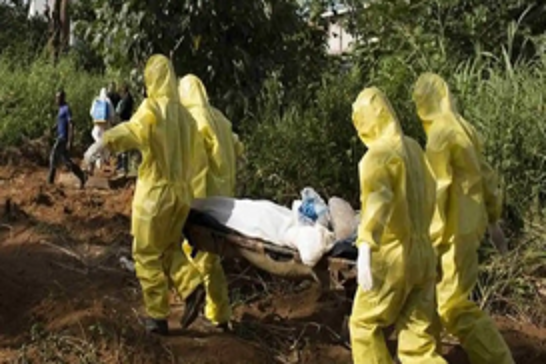
Nigeria has confirmed 17 new cases of Lassa fever across four states, according to the latest epidemiological report released by the Nigeria Centre for Disease Control and Prevention (NCDC) for Week 47 (November 17–23, 2025).

New tools, including dual-ingredient insecticide nets and WHO-recommended vaccines, helped prevent an estimated 170 million malaria cases and 1 million deaths in 2024, according to the World Health Organization’s (WHO) annual World Malaria Report.

The World Health Organization (WHO) has issued updated recommendations on the use of glucagon-like peptide-1 (GLP-1) medicines for the treatment of obesity in adults, as the organization warns that obesity is reaching unprecedented levels worldwide.
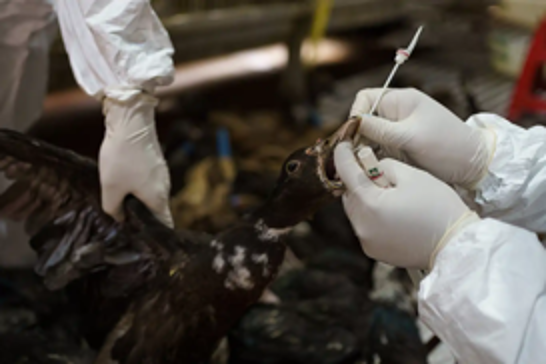
A leading French infectious disease expert has warned that the bird flu virus currently circulating among wild birds, poultry, and mammals could spark a pandemic even more severe than COVID-19 if it evolves to spread between humans.