Islamic scholars invoke Saladin Ayyubi’s legacy in call for Muslim unity
 13 oC
13 oC 
Güneşli

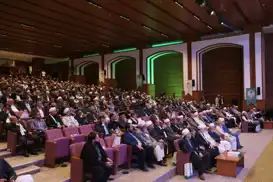
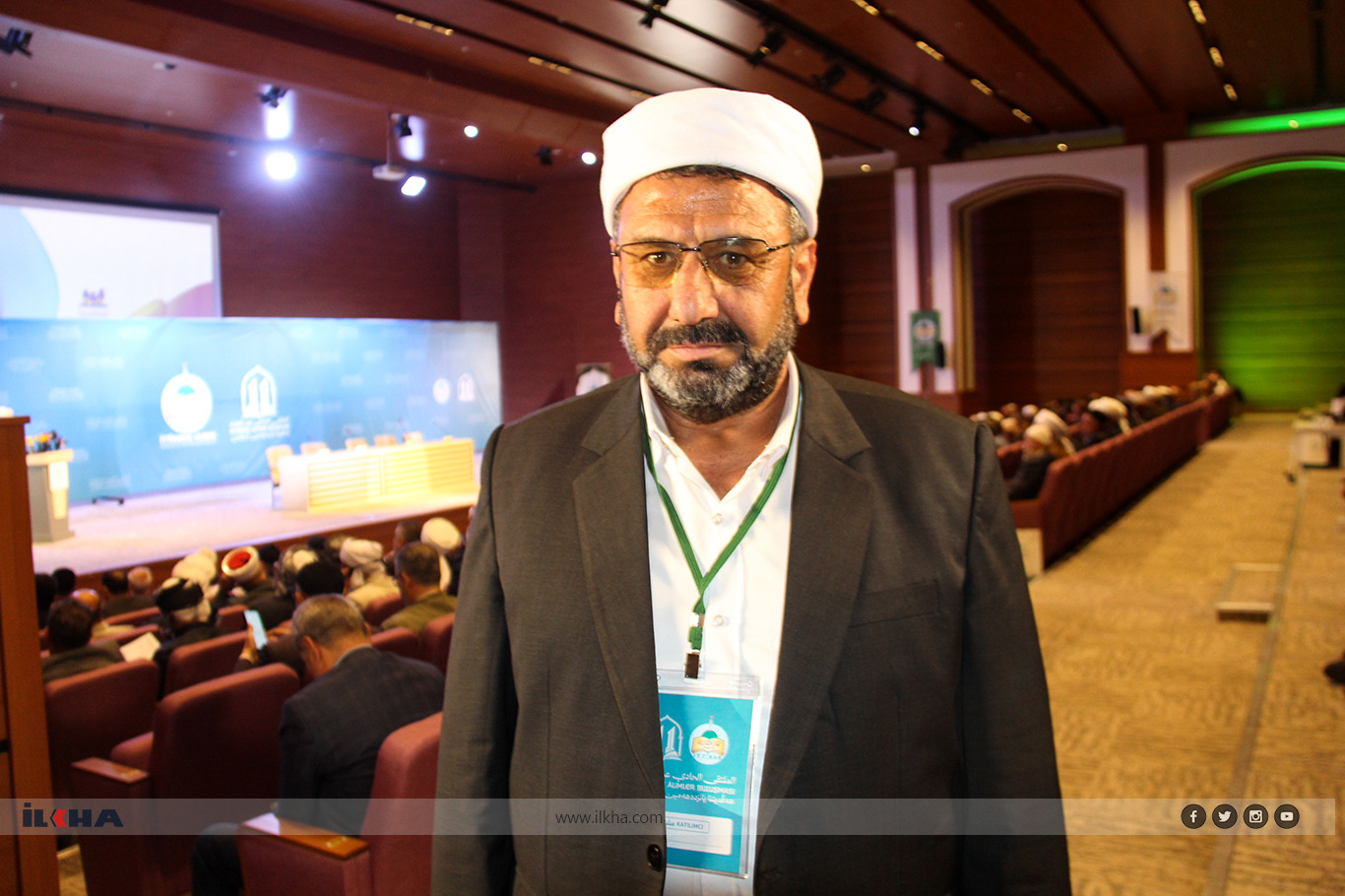
Islamic scholars attending the 11th Scholars’ Meeting organized by İTTİHADUL ULEMA in Diyarbakır have stressed the urgent need for unity among Muslims, stronger bonds of brotherhood and a renewed commitment to Islamic education, da‘wah and guidance.
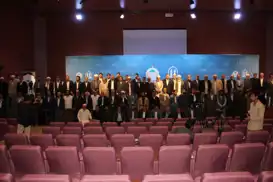
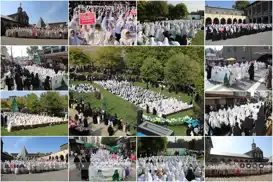
Scholars from Türkiye, the Kurdistan Region of Iraq and other parts of the Islamic world gathered on October 10–11 to discuss the challenges facing the Muslim ummah and the responsibilities of scholars in strengthening solidarity, addressing divisions and reviving efforts to call people to Islam.
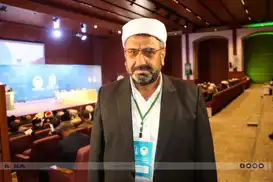
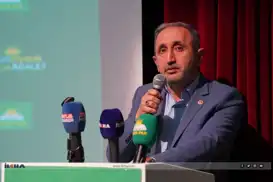
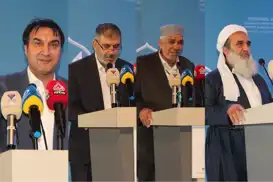
Speaking on the sidelines of the meeting, Molla Musa Kılıç, Sheikh Fethullah Ayte and Qari Sufyan Abdulkadir Jalil al-Kurdi highlighted the importance of bringing Muslim communities together around their shared faith and common concerns, particularly Palestine and the liberation of Jerusalem.
They also called on Islamic scholars to strengthen the role of madrasas, educate future generations and ensure that the work of da‘wah and guidance remains central to their mission.
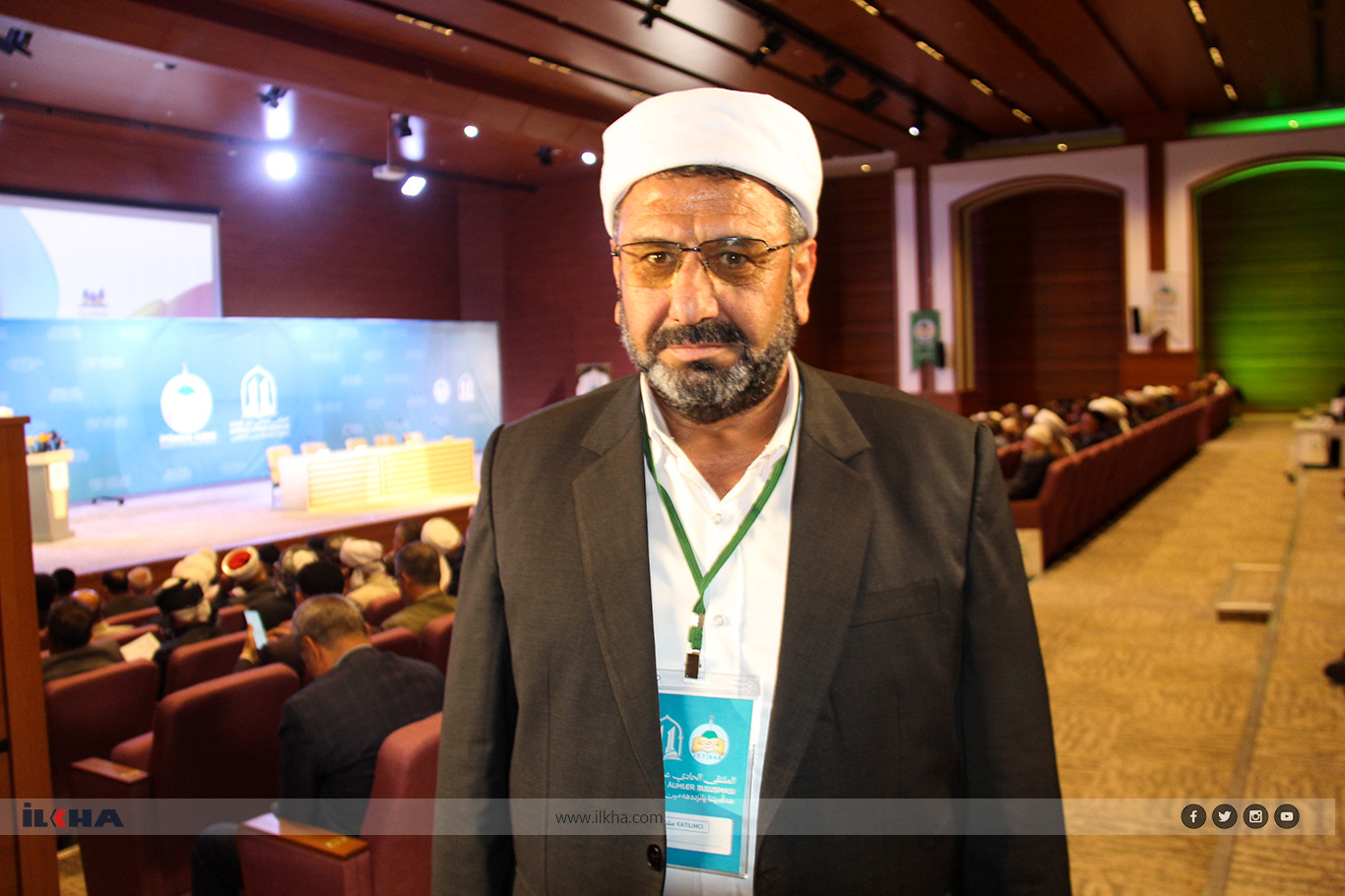
Scholars must unite against common challenges
Molla Musa Kılıç thanked İTTİHADUL ULEMA for organizing the gathering, describing it as a valuable opportunity for scholars from different regions to exchange views, share experiences and strengthen ties across the Islamic world.
He said the gathering offered renewed hope for Muslims at a time when the ummah faces serious challenges, particularly the ongoing suffering of Palestinians in Gaza.
Kılıç stressed that scholars must stand together in the face of oppression and encourage Muslims to support one another rather than allow divisions to weaken their collective position.
He also emphasized that unity requires Muslim communities to recognize one another’s value and strengthen their shared sense of belonging to the ummah.
“Kurds, Arabs, Turks, and other Muslim communities need to mingle with one another and recall their shared history and brotherhood once again,” he said.
Referring to Salahuddin Ayyubi, the Muslim leader renowned for uniting Muslim forces and liberating Jerusalem from Crusader rule, Kılıç said his legacy demonstrated the importance of solidarity among Muslims.
He noted that different peoples had come together under the banner of Islam throughout history, adding that this spirit of brotherhood must be preserved and strengthened today.
Kılıç also highlighted Diyarbakır’s place in Islamic history, describing the city as an important centre of Islamic scholarship and religious learning.
He called on Muslims to hold firmly to their faith, overcome divisions and develop a stronger consciousness of the ummah.
“We must hold fast to the rope of Allah all together and not fall into disunity,” he said, urging Muslim communities to value one another and work collectively to address common challenges.
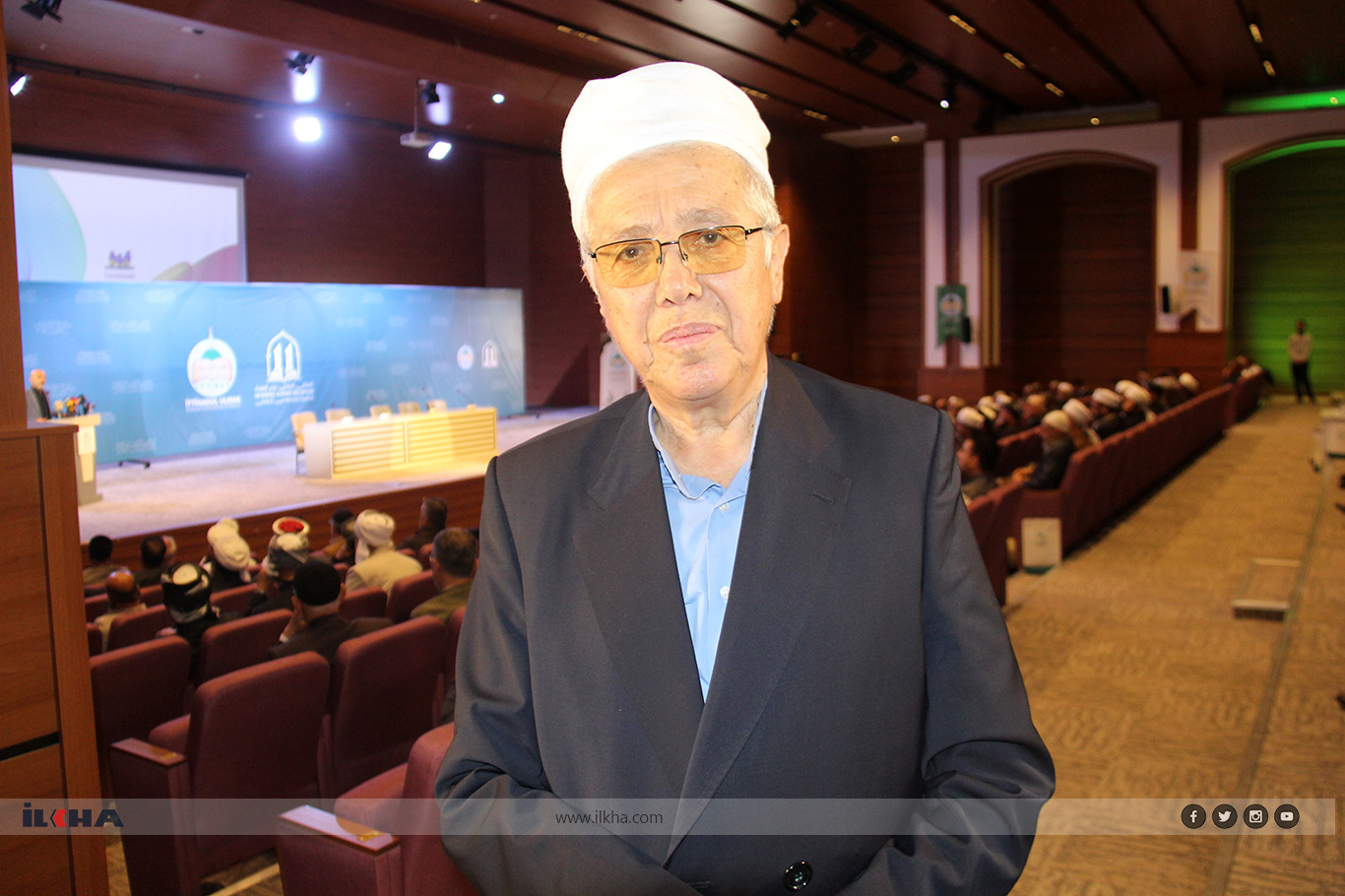
Unity of scholars and madrasas essential for the ummah
Sheikh Fethullah Ayte, who attended the gathering from Bitlis, expressed hope that the meeting would contribute to greater unity, solidarity, brotherhood and peace among Muslims.
He said the unity of scholars and madrasas was essential to building a stronger Muslim community and resisting efforts that exploit divisions among Muslims.
“Muslims must always work for unity, solidarity, brotherhood, and peace,” Ayte said. “The disbelievers take advantage of the fragmentation of Muslims and attack them.”
He expressed hope that the gathering would help pave the way for greater cooperation across the Islamic world, adding that such unity could be achieved through closer ties among scholars and religious educational institutions.
Ayte also called on scholars to remain actively involved in madrasas and devote themselves to educating students in Islamic knowledge and values.
“My request to the scholars is that they stand at the head of the madrasas and teach the students everything,” he said, emphasizing their responsibility to serve both Kurdish society and the wider Islamic ummah.
Da‘wah and guidance must return to the centre of Islamic work
Ayte stressed that acquiring religious knowledge alone was insufficient without efforts to convey it to society and guide people towards Islamic values.
He described da‘wah and irshad — calling people to Islam and providing religious guidance — as fundamental responsibilities of scholars and students.
“These things cannot be realized without invitation,” he said, warning that the neglect of da‘wah and guidance had weakened an essential part of Islamic work.
Ayte expressed hope that the Diyarbakır gathering would encourage scholars and students to renew their commitment to these responsibilities and strengthen religious outreach among Muslim communities.
He added that unity would make the ummah better equipped to confront the challenges facing it.
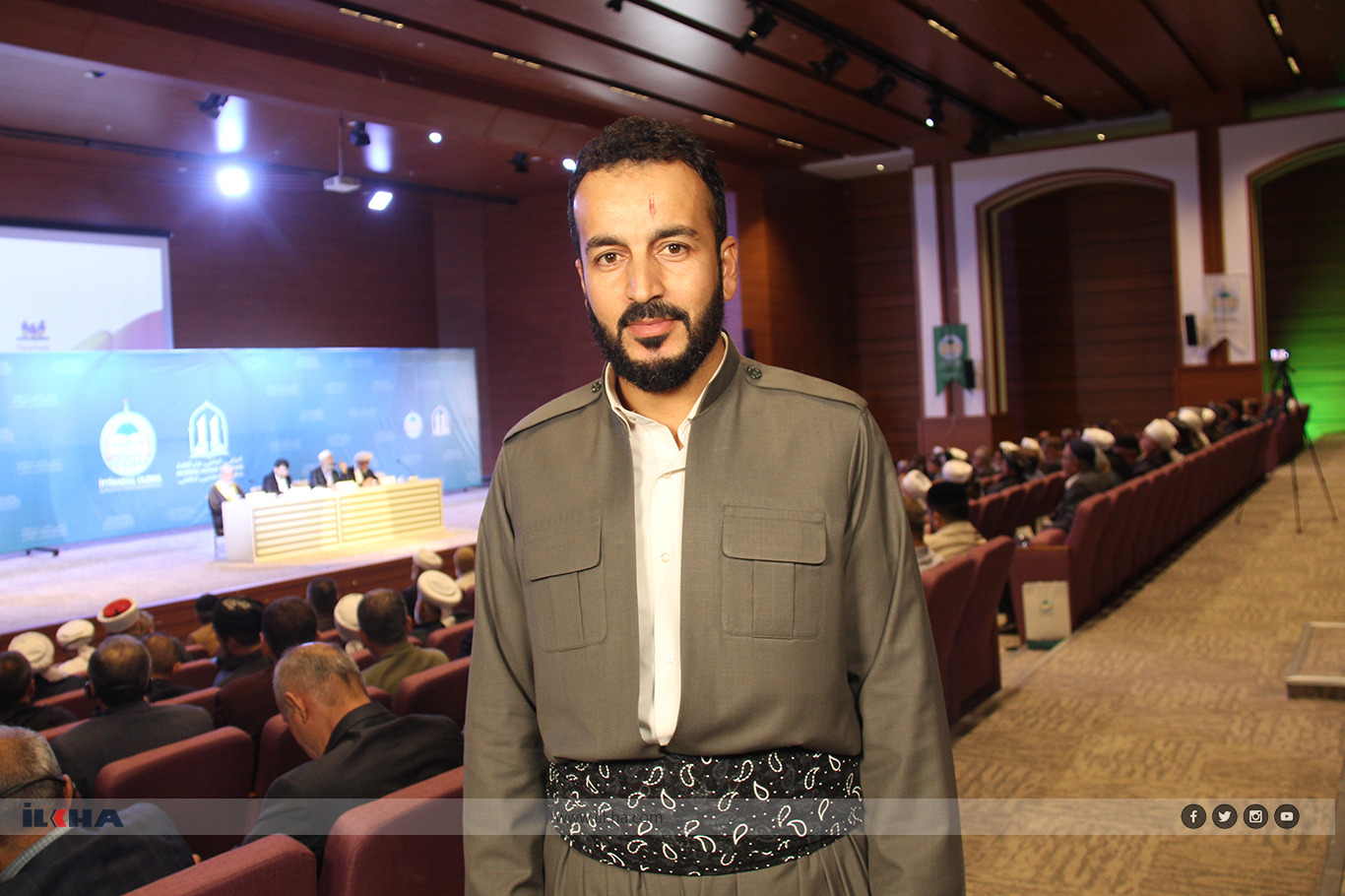
Scholars urge Muslims to follow Saladin Ayyubi’s example
Qari Sufyan Abdulkadir Jalil al-Kurdi, who attended the gathering from the Kurdistan Region of Iraq, said the meeting had brought him great satisfaction and renewed hope for Muslim unity.
He described the coming together of scholars from different regions — including Afghanistan, Africa, Türkiye, Kurdistan and Syria — as an important opportunity to strengthen common understanding and solidarity.
Al-Kurdi also cited the Qur’anic call to invite people towards goodness, stressing that scholars must work collectively to promote Islamic values and bring Muslims closer together.
He urged the ummah to set aside divisions and strengthen the bonds of brotherhood and affection among Muslims.
“If we act in unity and solidarity, we can overcome many problems,” he said.
Like Kılıç, al-Kurdi pointed to Salahuddin Ayyubi as an example of leadership rooted in faith and Muslim solidarity.
He said Salahuddin’s liberation of Jerusalem demonstrated the power of Muslims uniting around a common religious purpose rather than allowing ethnic identity to divide them.
“What is important is not whether Saladin Ayyubi was Kurd, Turk, or Arab, but that he was a true Muslim and that he served the Islamic ummah,” he said.
Al-Kurdi expressed hope that Muslims would draw inspiration from Saladin’s legacy, strengthen their unity and work together for the liberation of Jerusalem.
He also warned against ethnic chauvinism and tribalism, saying that discrimination based on Kurdish, Arab or Turkish identity undermined the progress of the ummah.
A renewed call for Islamic brotherhood
The scholars’ remarks reflected a shared message throughout the 11th Scholars’ Meeting: the need to place Islamic brotherhood, collective responsibility and service to the ummah above divisions that weaken Muslim communities.
Their calls also highlighted the central role of scholars and madrasas in nurturing religious knowledge, guiding society and cultivating a new generation committed to Islamic values.
Through its annual gathering, İTTİHADUL ULEMA has brought together scholars to strengthen cooperation and address issues facing Muslims, with participants emphasizing that unity, sustained da‘wah and a common commitment to the cause of Jerusalem remain essential to the future of the Islamic ummah. (ILKHA)
LEGAL WARNING: All rights of the published news, photos and videos are reserved by İlke Haber Ajansı Basın Yayın San. Trade A.Ş. Under no circumstances can all or part of the news, photos and videos be used without a written contract or subscription.
HÜDA PAR Deputy Chairman and Gaziantep MP Şahzade Demir has called for economic reforms, a constitutional resolution to the Kurdish issue and continued support for Palestinians in Gaza.
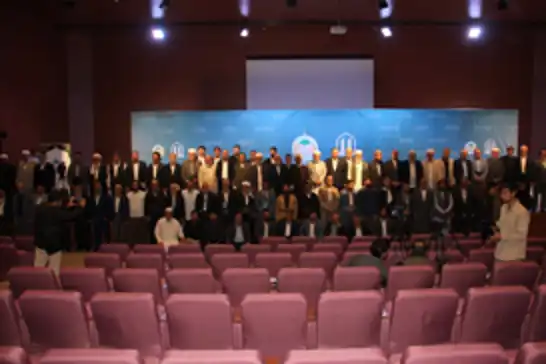
A gathering of Islamic scholars in Diyarbakır has called for greater unity among Muslims, stronger religious guidance for young people and a global campaign for the liberation of Al-Quds (Jerusalem) and other oppressed lands.
Türkiye’s Communications Director Burhanettin Duran condemned remarks by Israeli Defence Minister Israel Katz targeting President Recep Tayyip Erdoğan and Türkiye, describing them as a sign of political desperation ahead of Israel’s upcoming elections.