İTTİHADUL ULEMA opens 11th Scholars’ Meeting with calls for Muslim solidarity
 13 oC
13 oC 
Güneşli

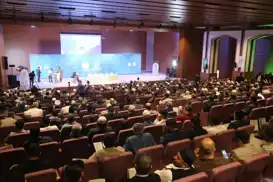
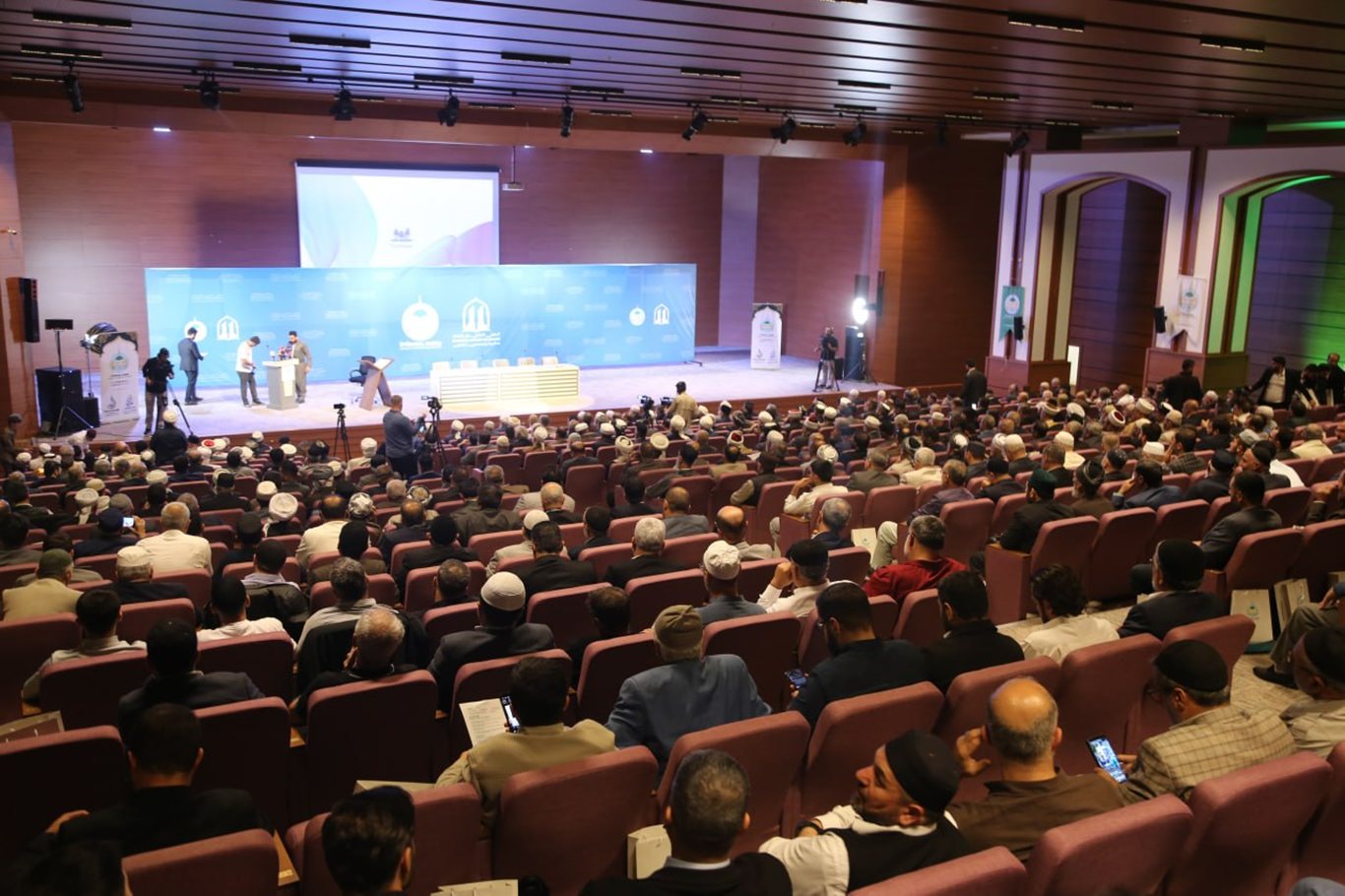
İTTİHADUL ULEMA, the Union of Scholars, has launched its 11th Traditional Scholars’ Meeting in southeastern Türkiye’s Diyarbakır province, bringing together Islamic scholars and prominent figures to discuss Islamic outreach, Muslim unity and new approaches to da’wah, or inviting people to Islam.
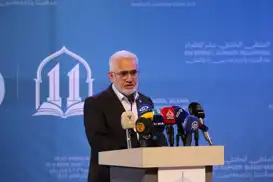
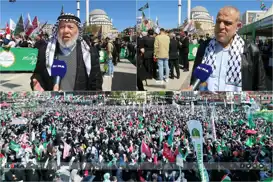
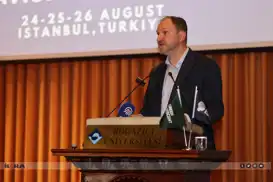
The two-day gathering began at the conference hall of Selahaddin Eyyubi Mosque in the central Yenişehir district, with speakers emphasizing the responsibility of Islamic scholars to guide society, strengthen Islamic values and stand against oppression, particularly in Palestine.
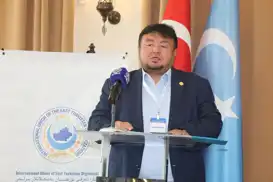
The opening ceremony began with a Quranic recitation by Qari Sufyan Abdulkadir El Kurdi from Iraqi Kurdistan, followed by an address from İTTİHADUL ULEMA General President Molla Enver Kılıçaslan.
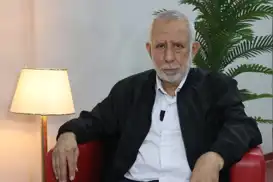
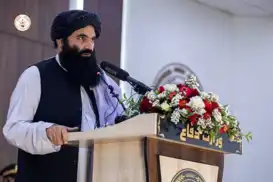
İTTİHADUL ULEMA Deputy General President Molla Abdulkuddüs Yalçın, Associate Professor Dr. Burhan İşliyen and Hamas official Munir Said also delivered speeches highlighting the challenges facing the Muslim world and the need for renewed commitment to Islamic principles.
Scholars urged to address the Muslim world's challenges
In his address, Molla Abdulkuddüs Yalçın said the Muslim world was undergoing a severe trial, facing military attacks, spiritual challenges and what he described as the pressures of worldly domination.
He condemned the killing of civilians, including women, elderly people, the sick, widows, orphans and children, saying that human dignity and sacred values were being violated.
Yalçın also criticized what he described as the silence of much of the Muslim world in the face of widespread oppression. He argued that the crisis extended beyond political and military developments, pointing to spiritual estrangement, ignorance of religion, excessive attachment to worldly interests and the younger generation's growing distance from Islamic teachings.
“The greatest and most painful of these calamities are being unaware of and distant from Allah and Allah’s religion, ignorance and worship of the world, the new generation not knowing Allah, being distant from religion and its rulings,” Yalçın said.
He stressed that Islamic scholars had a particular responsibility to help Muslims overcome these challenges through religious guidance, unity and collective action.
“There is a remedy for these difficult calamities,” he said, calling on scholars across the Muslim world to awaken their communities, encourage solidarity and help Muslims recognize the challenges confronting them.
Yalçın urged Muslims to strengthen their bonds, make sacrifices for one another and work to revive Islamic morality and religious education.
Quoting verse 7 of Surah Muhammad, he recalled the Quranic promise: “O you who have believed, if you support Allah, He will support you and plant firmly your feet.”
He also called on Muslim communities to strengthen their mosques and schools as centers of worship, Islamic knowledge and moral education, arguing that meaningful change must begin with efforts to reform their own communities.
İşliyen calls for renewed commitment to da’wah
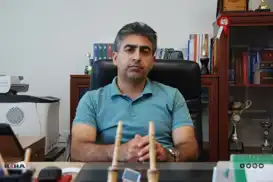
Speaking at the gathering, Associate Professor Dr. Burhan İşliyen emphasized that Islamic outreach requires determination, perseverance and a willingness to overcome personal excuses.
He urged participants to work tirelessly to reach people's hearts and communicate Islamic teachings, stressing that scholars and religious figures must remain actively engaged with society.
His remarks underscored the meeting's central theme: strengthening the role of Islamic scholarship in addressing contemporary challenges and guiding future generations.
Hamas official: Gaza is being deprived of basic necessities
Hamas official Munir Said addressed the situation in Gaza and reflected on the events following the October 7, 2023, Al-Aqsa Flood operation.
Said said the Palestinian people had endured years of escalating violence and deprivation, accusing Israel of pursuing destructive policies against Gaza's population.
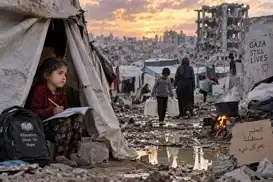
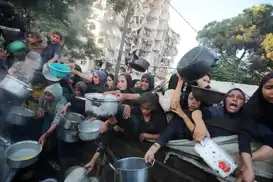
“As you can see, Gaza is being deprived of everything. It is being deprived of air, water, food, medicine and all vital functions,” he said.
He also warned that Palestinians faced continued pressure to leave their homeland, describing forced displacement as a major threat to Gaza's population.
Said called on Islamic scholars and religious leaders to increase public awareness of the Palestinian cause, emphasizing that their influence extended beyond religious instruction to shaping public consciousness and encouraging solidarity with oppressed communities.
He urged scholars to explain the religious and historical significance of Al-Aqsa Mosque, Jerusalem and Palestine, saying that visits and expressions of support could provide an important morale boost to Palestinians.
Recalling the Muslim conquests of Jerusalem under Caliph Umar ibn al-Khattab and Saladin Ayyubi, Said highlighted the historical responsibility he believes Muslims have toward the holy city.
He also encouraged scholars to use their influence and available resources to keep Palestine at the forefront of public concern.
In one of his central messages, Said invoked Saladin Ayyubi, the Muslim leader who recaptured Jerusalem in 1187, as an example of leadership, determination and commitment to the liberation of the holy city.
“We are living in a period similar to Saladin Ayyubi’s era. Right now we need Salahuddins,” he said, calling on Muslims to follow the historical leader's example.
Said stressed that the responsibility of supporting Jerusalem and Palestine should not be limited to a particular ethnic community, but should be embraced across the Muslim world.
“I am not saying this only among the Kurds. Saladins must also emerge from among the Arabs,” he said.
His remarks framed the Palestinian cause as a shared responsibility requiring unity across ethnic and national boundaries, with scholars playing a central role in mobilizing public awareness and strengthening solidarity.
The 11th Traditional Scholars’ Meeting brings religious scholars and community figures together to discuss the challenges facing Muslim societies and develop approaches to Islamic outreach.
The speeches at the opening session placed particular emphasis on religious education, moral renewal, solidarity among Muslims and support for Palestinians facing war and deprivation in Gaza.
Participants were urged to strengthen their commitment to Islamic teachings, guide younger generations and use their knowledge and influence to promote unity and defend the dignity of oppressed people.
The two-day gathering is expected to continue addressing da’wah activities, cooperation among scholars and ways to respond to contemporary challenges confronting the Muslim ummah. (ILKHA)
LEGAL WARNING: All rights of the published news, photos and videos are reserved by İlke Haber Ajansı Basın Yayın San. Trade A.Ş. Under no circumstances can all or part of the news, photos and videos be used without a written contract or subscription.
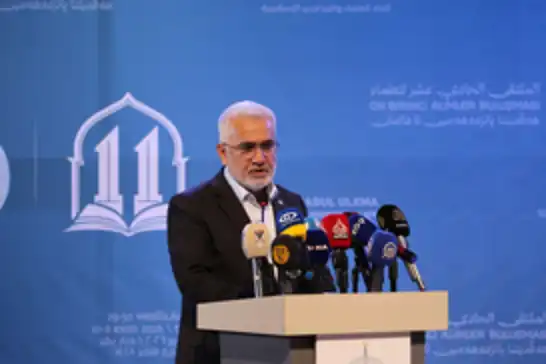
HÜDA PAR General President Zekeriya Yapıcıoğlu has called on Islamic scholars to lead a renewed movement of Islamic outreach, strengthen Muslim unity and confront the moral challenges of the digital age, saying that the liberation of Jerusalem and other occupied lands depends on solidarity across the Muslim world.
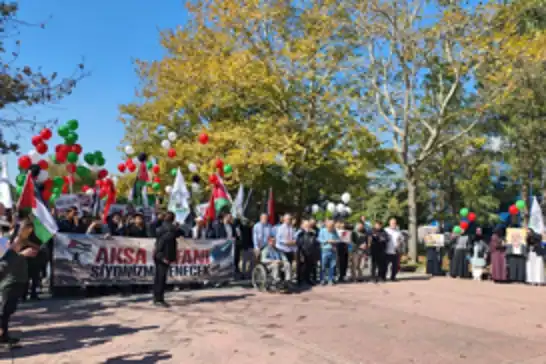
Sakarya University students staged a march on Friday to mark the third anniversary of the Al-Aqsa Flood operation, reaffirming their support for the Palestinian people and their struggle against the Israeli occupation.
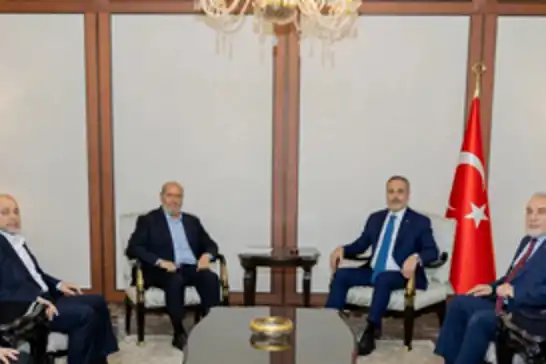
Turkish Foreign Minister Hakan Fidan met Hamas Political Bureau Chief Khalil al-Hayya and an accompanying delegation in Ankara on Friday, Türkiye’s Foreign Ministry said.