Muslims worldwide prepare to welcome the Three Sacred Months of of spiritual renewal
 13 oC
13 oC 
Güneşli

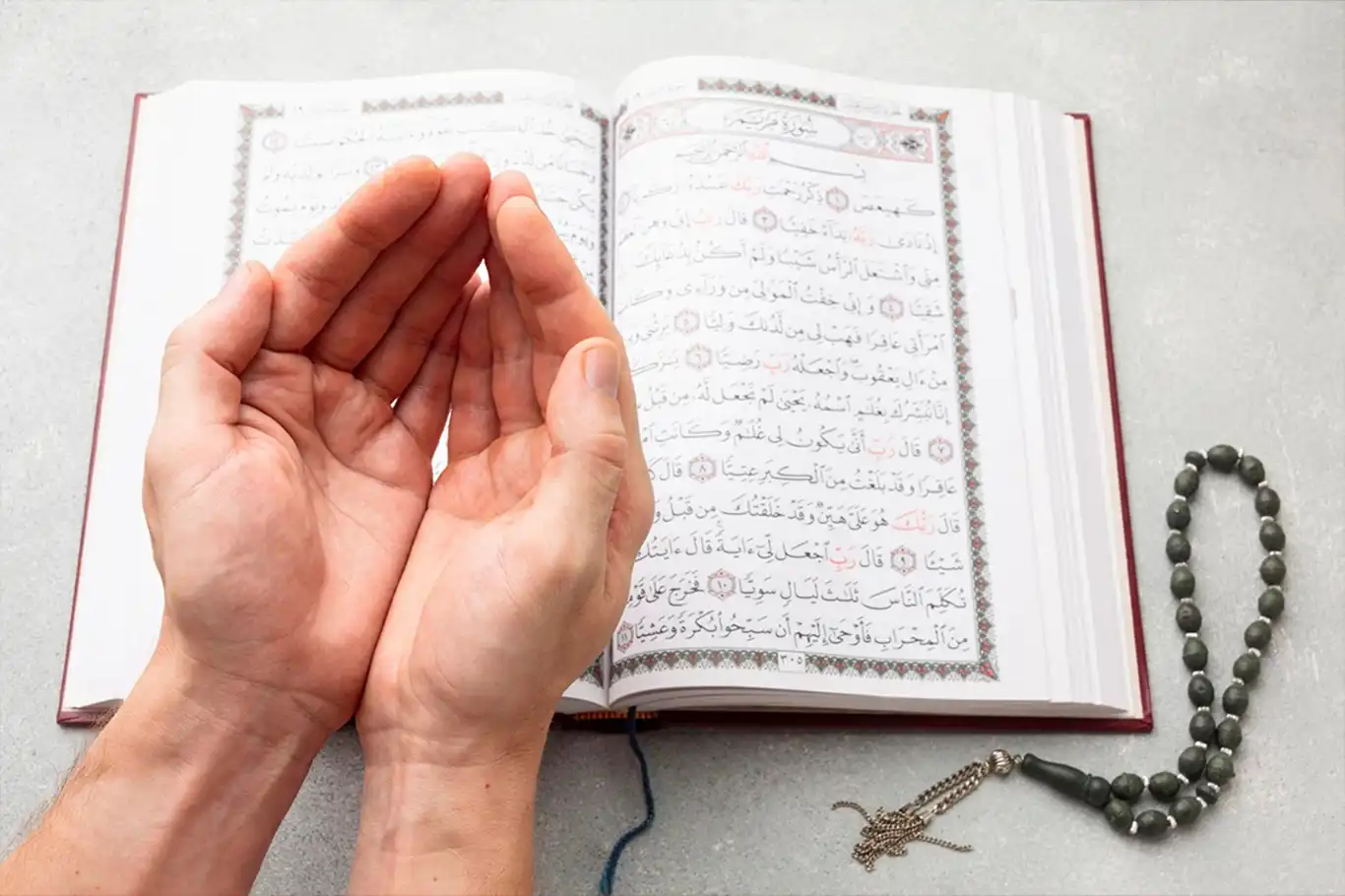
Muslim communities across the world are preparing to mark the beginning of the three sacred months—Rajab, Sha’ban, and Ramadan—set to commence on Sunday, ushering in one of the most spiritually significant periods in the Islamic calendar.
Known in Islamic tradition as Shuhur’u-Salasa (the Three Holy Months), this blessed period is regarded as a time of heightened divine mercy, forgiveness, and spiritual renewal. Scholars describe these months as a gradual spiritual ascent, guiding believers toward the peak of worship and devotion embodied in the month of Ramadan.
Profound Significance in Islamic Tradition
The importance of the three sacred months is rooted deeply in the Qur’an, the Sunnah of Prophet Muhammad (peace be upon him), and centuries of Islamic scholarship. Rajab is one of the four sacred months mentioned in the Qur’an, during which acts of worship carry increased merit and wrongdoing is considered especially grave. Sha’ban serves as a bridge between Rajab and Ramadan, a month in which deeds are raised to Allah, while Ramadan stands as the crown of the Islamic year, marked by fasting, the revelation of the Qur’an, and intense spiritual discipline.
Islamic scholars emphasize that these months provide believers with a structured spiritual preparation: Rajab as a time to plant the seeds of repentance, Sha’ban to cultivate worship and consistency, and Ramadan to reap the rewards through fasting, prayer, and self-purification.
Holy Nights Observed with Reverence
Each of the three months includes sacred nights that hold special significance for Muslims: Laylat-ur Raghaeb (Night of Wishes), observed on the first Thursday night of Rajab, is associated with increased supplication and voluntary prayers.
Isra and Mi’raj, commemorated on the 27th night of Rajab, marks the miraculous night journey and ascension of Prophet Muhammad (PBUH), a cornerstone event affirming the importance of prayer in Islam.
Laylat al-Bara’ah (Night of Forgiveness), on the 15th night of Sha’ban, is traditionally devoted to seeking forgiveness, praying for the deceased, and reflecting on one’s destiny.
Laylat al-Qadr (Night of Power), occurring during the last ten nights of Ramadan, is described in the Qur’an as “better than a thousand months,” marking the revelation of the Holy Qur’an.
Increased Worship and Multiplied Rewards
During these months, Muslims intensify acts of worship, including fasting, Qur’an recitation, night prayers, charity, and remembrance of Allah. Classical Islamic sources highlight that rewards for good deeds are multiplied during this period. Scholars often cite narrations indicating that a single letter of Qur’an recited earns exponentially greater rewards as the months progress, reaching their pinnacle on Laylat al-Qadr.
Mosques around the world prepare for increased attendance, organizing special lectures, communal prayers, and charity drives. In many Muslim-majority countries, mosques are adorned with illuminated messages and decorations reflecting the spiritual joy of the season.
A Time of Community, Charity, and Renewal
Beyond individual worship, the three sacred months foster a strong sense of community and social responsibility. Acts of charity, support for the poor, and reconciliation among families and neighbors are strongly encouraged. Islamic organizations and humanitarian groups often launch aid campaigns during this time, emphasizing solidarity with the oppressed and vulnerable, particularly in regions facing conflict and hardship.
Families are also encouraged to involve children in worship, nurturing spiritual awareness from an early age. Teaching prayers, reciting Qur’an together, and attending mosque activities are seen as essential steps in preserving Islamic values across generations.
Supplication and Divine Mercy
The predawn hours, especially during these months, are widely regarded as moments when prayers are readily accepted. Muslims are encouraged to make supplication not only for personal needs but also for the well-being of the wider Islamic Ummah, peace, justice, and relief for those suffering around the world.
An Unparalleled Spiritual Opportunity
Islamic scholars and community leaders continue to stress that the three sacred months are a divine gift—an opportunity that should not be wasted. As global challenges, conflicts, and moral uncertainties persist, these months offer believers a chance to reconnect with faith, seek forgiveness, and restore spiritual balance.
As Rajab begins, Muslims worldwide enter a season of reflection, hope, and preparation, aiming to reach Ramadan with purified hearts and renewed commitment. In a time marked by hardship for many, the three holy months stand as a reminder of mercy, patience, and the enduring strength of faith. (ILKHA)
LEGAL WARNING: All rights of the published news, photos and videos are reserved by İlke Haber Ajansı Basın Yayın San. Trade A.Ş. Under no circumstances can all or part of the news, photos and videos be used without a written contract or subscription.
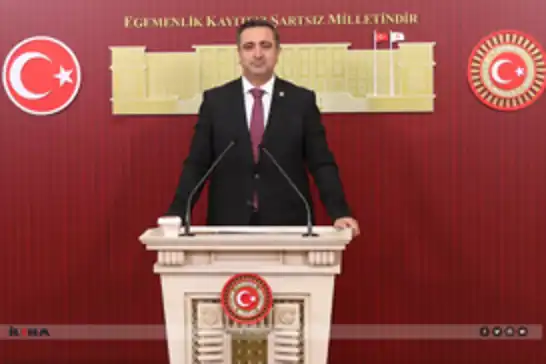
HÜDA PAR Spokesperson and Batman Member of Parliament Serkan Ramanlı strongly highlighted the catastrophic humanitarian crisis in Gaza, urging guarantor countries to immediately fulfill their responsibilities and take concrete action to stop the ongoing suffering.
Turkish Foreign Minister Hakan Fidan will pay an official visit to Canada on June 25-26, according to a statement issued by Türkiye's Foreign Ministry.
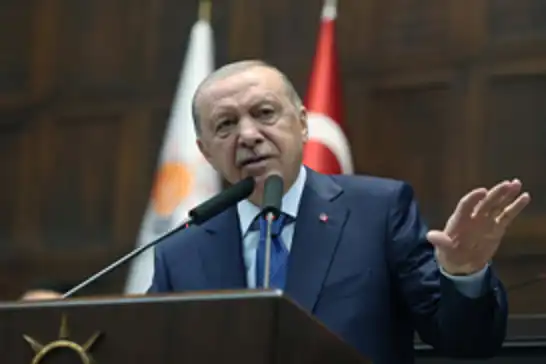
Turkish President and Chairman of the Justice and Development (AK) Party, Recep Tayyip Erdoğan, emphasized Türkiye’s growing regional influence, its diplomatic role in managing the recent Iran crisis, and ongoing efforts toward a “terror-free Türkiye” during a speech delivered at the party’s parliamentary group meeting in Ankara.
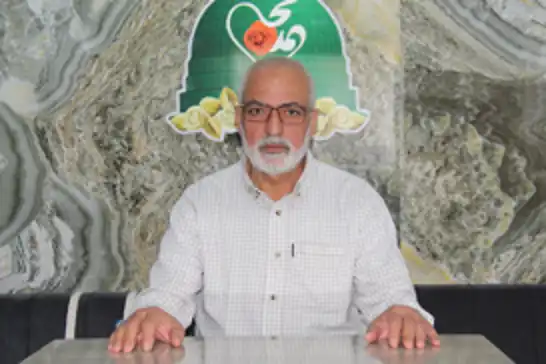
The Peygamber Sevdalıları Vakfı (Prophet Lovers Foundation) has issued a strongly worded message on the occasion of Ashura, describing the ongoing situation in Gaza as a “contemporary Kerbala” and praising the resistance of Palestinian fighters.