NATO Chief says alliance entering 'NATO 3.0' era at Ankara summit
 13 oC
13 oC 
Güneşli

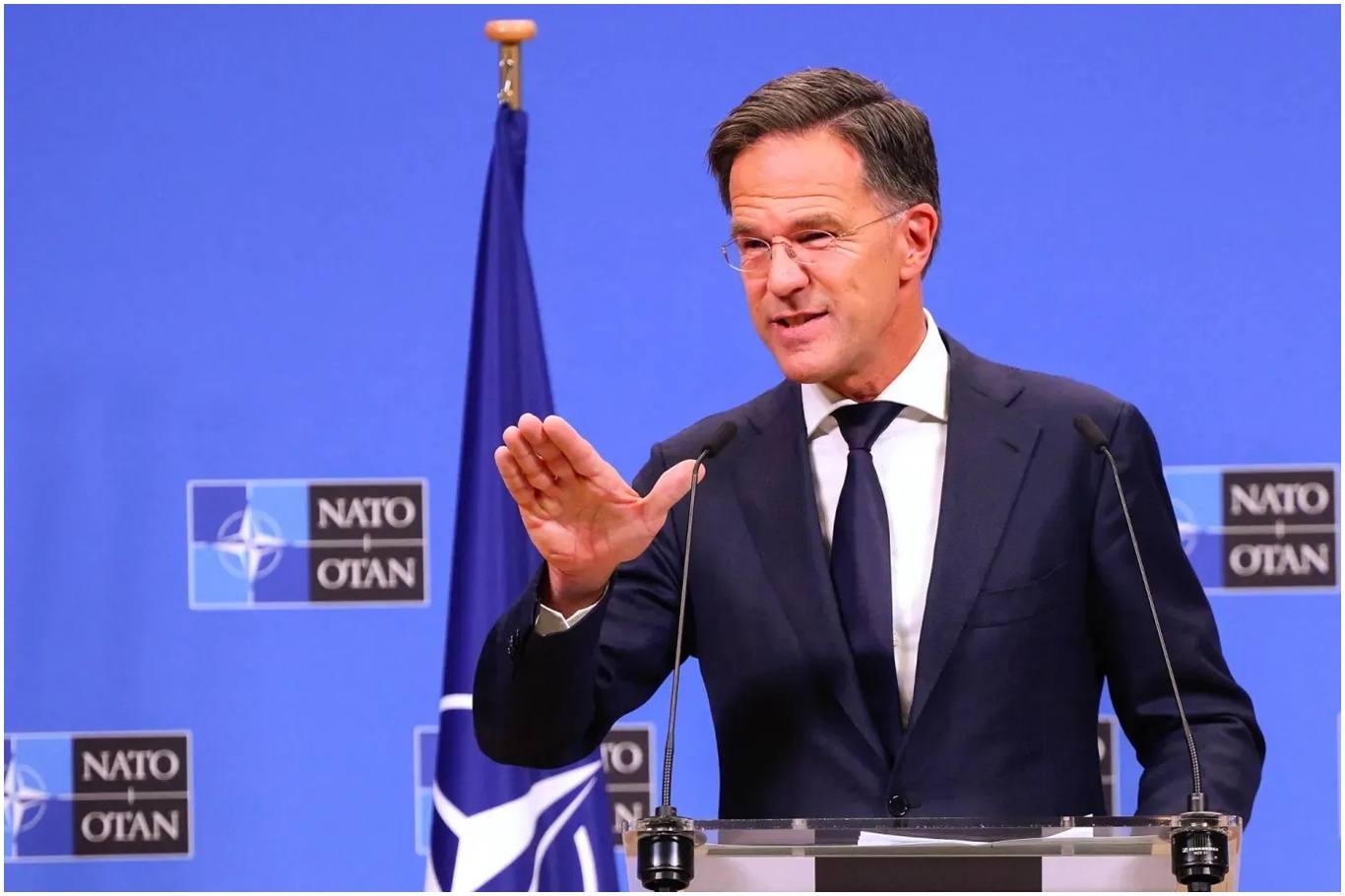
NATO Secretary-General Mark Rutte said Wednesday that US President Donald Trump has succeeded in achieving what successive American administrations had long sought by narrowing the gap in defense spending between Europe and the United States, as allied leaders gathered for the second day of the NATO Summit in Ankara.
Speaking to reporters ahead of summit meetings, Rutte said European allies have significantly accelerated defense investments in response to both Trump's pressure and the deteriorating security environment created by Russia's war in Ukraine.
"President Trump has been able to finally get done what, since Eisenhower, American presidents tried to do, which was to equalize defense spending between Europe and the United States," Rutte said.
He stressed that NATO is entering what he described as "NATO 3.0," a new phase focused not on setting ambitious goals but on implementing them through increased military production, enhanced readiness, and expanded defense capabilities.
"The last summit in The Hague was all about planning and targeting; it was about the money, it was about industry, it was about continuing our support for Ukraine. This summit is about implementation—getting it done," he said.
Rutte noted that the alliance remains committed to last year's landmark pledge requiring allies to invest 5% of their gross domestic product in defense and defense-related spending by 2035.
He said Europe and Canada are already moving rapidly toward that target.
"In one year, Canada and Europe are getting to 4%, and that means huge increases in core defense spending, alongside significant investments in defense-related infrastructure and industry," he said.
Alliance officials say dozens of new procurement agreements and defense industry partnerships were announced during the opening day of the summit, reflecting NATO's drive to replenish weapons stockpiles, expand ammunition production, and strengthen collective deterrence.
According to NATO figures released ahead of the summit, a record number of member states are now meeting or exceeding the alliance's traditional 2% GDP defense spending benchmark, with many accelerating plans to reach the new long-term target amid growing security concerns.
Rutte reaffirmed NATO's commitment to supporting Ukraine, describing Kyiv's security as central to long-term Euro-Atlantic stability.
He emphasized that allied assistance would continue through military aid, training missions, intelligence cooperation, and defense industrial support.
Western officials attending the summit are also discussing additional air defense systems, long-range capabilities, and financial assistance packages intended to strengthen Ukraine's defense against ongoing Russian military operations.
Addressing rising tensions in the Middle East, Rutte said NATO allies are expected to reaffirm their longstanding position that Iran must never acquire nuclear weapons.
He also stressed the importance of safeguarding freedom of navigation through the Strait of Hormuz, one of the world's most strategically important maritime chokepoints.
Asked about recent US military strikes against Iranian targets, Rutte defended Washington's actions.
"When you have a ceasefire and Iran is basically violating the ceasefire, we see what happened yesterday with ships being attacked. I think it is totally crucial that the US forcefully react," he said.
His remarks come as international concern continues to grow over escalating tensions in the Gulf, where military activity has heightened fears of broader regional instability and potential disruptions to global energy supplies.
Rutte also highlighted the increasing strategic importance of the Arctic, warning that NATO must prevent both Russia and China from expanding their military influence in the region.
He said discussions among allies regarding Greenland and Arctic security remain constructive despite renewed comments by Trump expressing interest in acquiring Greenland.
Responding to questions about Washington's long-term commitment to NATO, Rutte dismissed concerns that the United States might reduce its engagement in the alliance.
"The commitment is there, no doubt," he said, noting that NATO remains essential to US national security by protecting North Atlantic sea lanes and monitoring Russian submarine activity.
Rutte concluded by thanking Türkiye for hosting the high-level gathering, describing Ankara as a gracious host and emphasizing the importance of the summit at a time of growing global uncertainty.
"It is really appreciated. It is an important summit. You are gracious hosts. Thank you so much," he said.
The Ankara Summit is expected to conclude with a joint declaration reaffirming NATO's commitment to collective defense, increased military investment, continued support for Ukraine, enhanced defense industrial cooperation, and closer coordination in addressing emerging security challenges ranging from cyber threats to instability in the Middle East and the Arctic. (ILKHA)
LEGAL WARNING: All rights of the published news, photos and videos are reserved by İlke Haber Ajansı Basın Yayın San. Trade A.Ş. Under no circumstances can all or part of the news, photos and videos be used without a written contract or subscription.
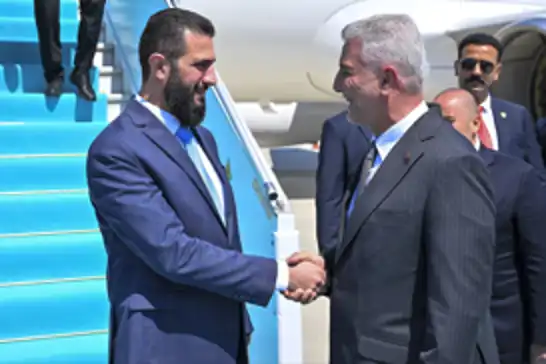
Syrian President Ahmed al-Sharaa arrived at Ankara's Esenboğa Airport on Wednesday ahead of a series of high-level meetings with Turkish officials, marking another step in the evolving diplomatic engagement between Türkiye and Syria.
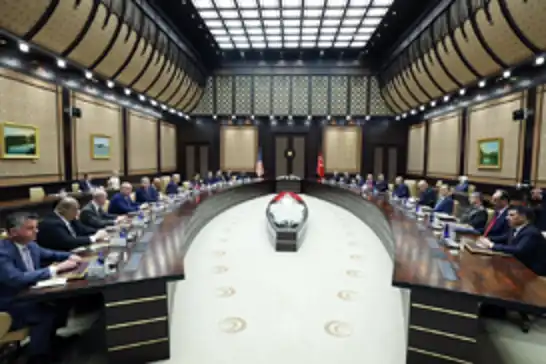
Turkish President Recep Tayyip Erdoğan chaired high-level delegation talks with U.S. President Donald Trump at the Presidential Complex in Ankara on Tuesday, as part of a series of bilateral meetings during the 36th NATO Summit.
Türkiye's Foreign Ministry has strongly rejected a coordinated campaign of "baseless allegations" by Israeli officials, accusing the Israeli government of attempting to deflect international criticism through disinformation.