French Senate votes to ban social media for under-15s
 13 oC
13 oC 
Güneşli

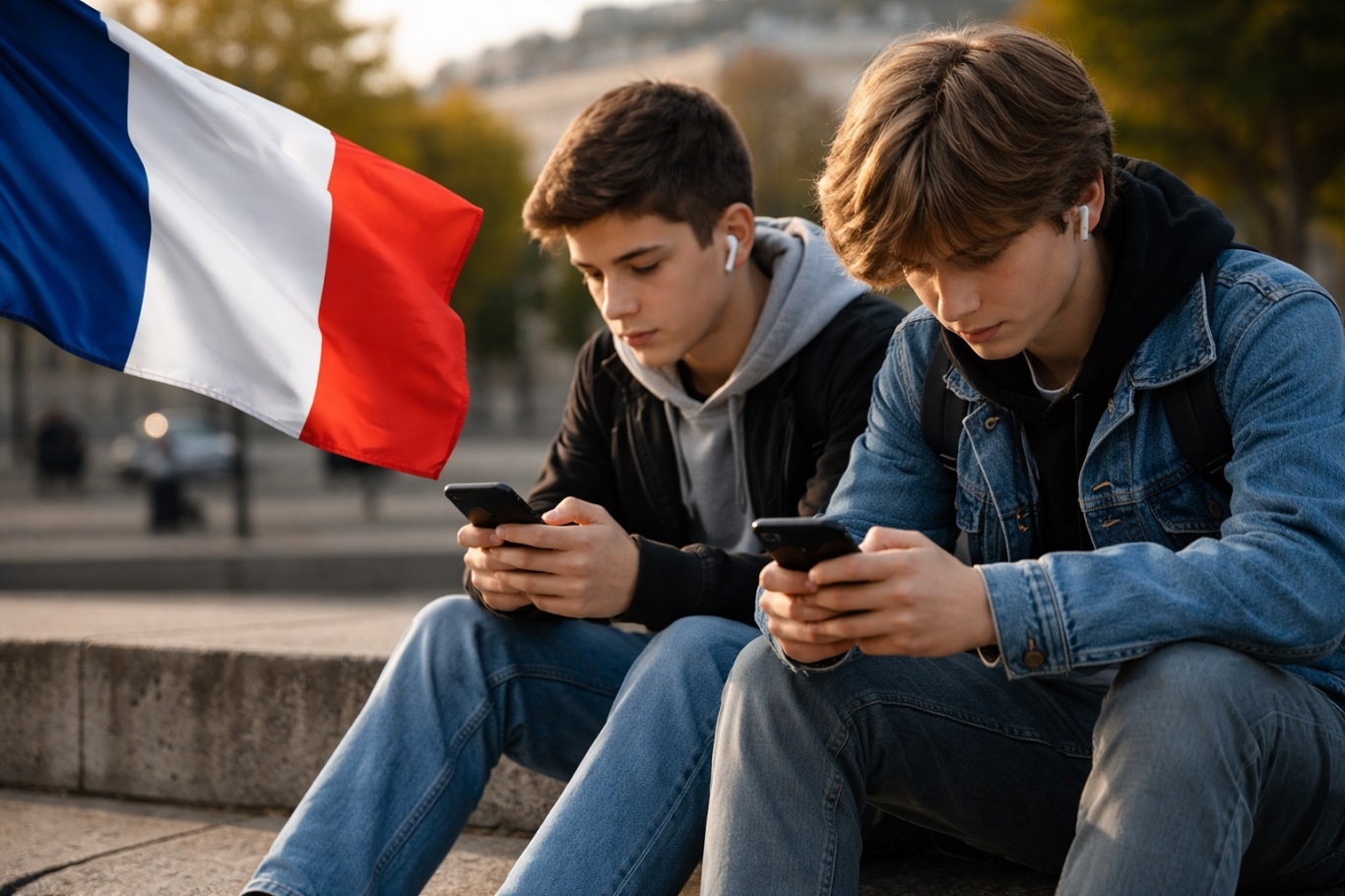
The Senate in France has approved a bill aimed at restricting social media use among children under the age of 15, marking a new step in the country’s efforts to regulate digital platforms and protect minors.
The move comes amid ongoing discussions across Europe on limiting children’s access to social media platforms. The proposal was also among the campaign pledges of French President Emmanuel Macron.
The Senate’s approval follows a draft previously introduced in January by the National Assembly, though significant differences remain between the two legislative bodies.
The version adopted by the National Assembly proposes stricter measures, including requiring social media platforms to delete accounts of users under 15 and block new registrations from that age group. It also includes provisions to ban mobile phone use in high schools.
In contrast, the Senate-backed proposal introduces a two-tier system. Platforms deemed harmful to the physical, mental, or moral development of minors would be fully restricted, while access to other platforms could be allowed with parental consent.
Educational platforms and online encyclopedias would be exempt from the regulation.
Due to differences between the two versions, lawmakers are expected to negotiate a compromise, which could delay the law’s entry into force.
Key questions also remain regarding how age verification systems will be implemented, an issue currently under discussion at the European Union level.
The legislation is expected to come into force in early 2027 if approved.
France has long sought stricter rules on children’s screen use and social media access. In 2023, a similar law requiring parental consent for users under 15 was adopted but did not take effect due to incompatibility with European Union digital regulations.
Following updates to EU rules, member states have been granted greater flexibility in setting age limits for social media use.
Similar measures are being considered worldwide. Australia became the first country to ban social media use for children under 16 in December.
Meanwhile, the European Parliament has proposed a non-binding initiative suggesting a 16-year age limit for access to social media, video-sharing platforms, and artificial intelligence applications, with parental consent required for users aged 13 to 16. (ILKHA)
LEGAL WARNING: All rights of the published news, photos and videos are reserved by İlke Haber Ajansı Basın Yayın San. Trade A.Ş. Under no circumstances can all or part of the news, photos and videos be used without a written contract or subscription.

Several Japanese companies and a university have reported separate data breaches and cyberattacks since Monday, potentially exposing personal information belonging to millions of customers, students, employees and other users.
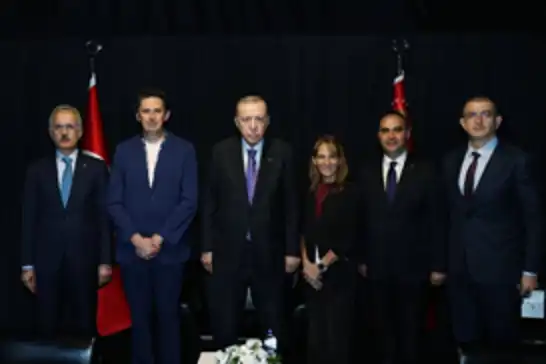
Turkish President Recep Tayyip Erdoğan received senior SpaceX executives Rebecca Hunter and Michael Nicolls on Monday following the opening ceremony of the 77th International Astronautical Congress (IAC) in Antalya.

Iran summoned Norway's ambassador to Tehran on Sunday to protest Oslo's failure to take action against unauthorized Starlink satellite internet transmissions operating inside Iranian territory.
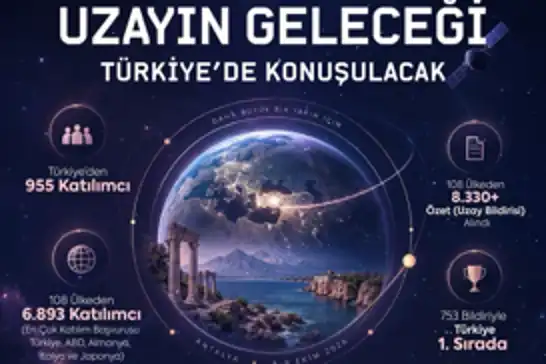
The 77th International Astronautical Congress (IAC 2026), one of the world's largest gatherings for the space sector, opened in Antalya on Monday, bringing together leading space agencies, scientists, engineers, policymakers and industry representatives from around the world.