Iceland launches national AI pilot program for educators
 13 oC
13 oC 
Güneşli

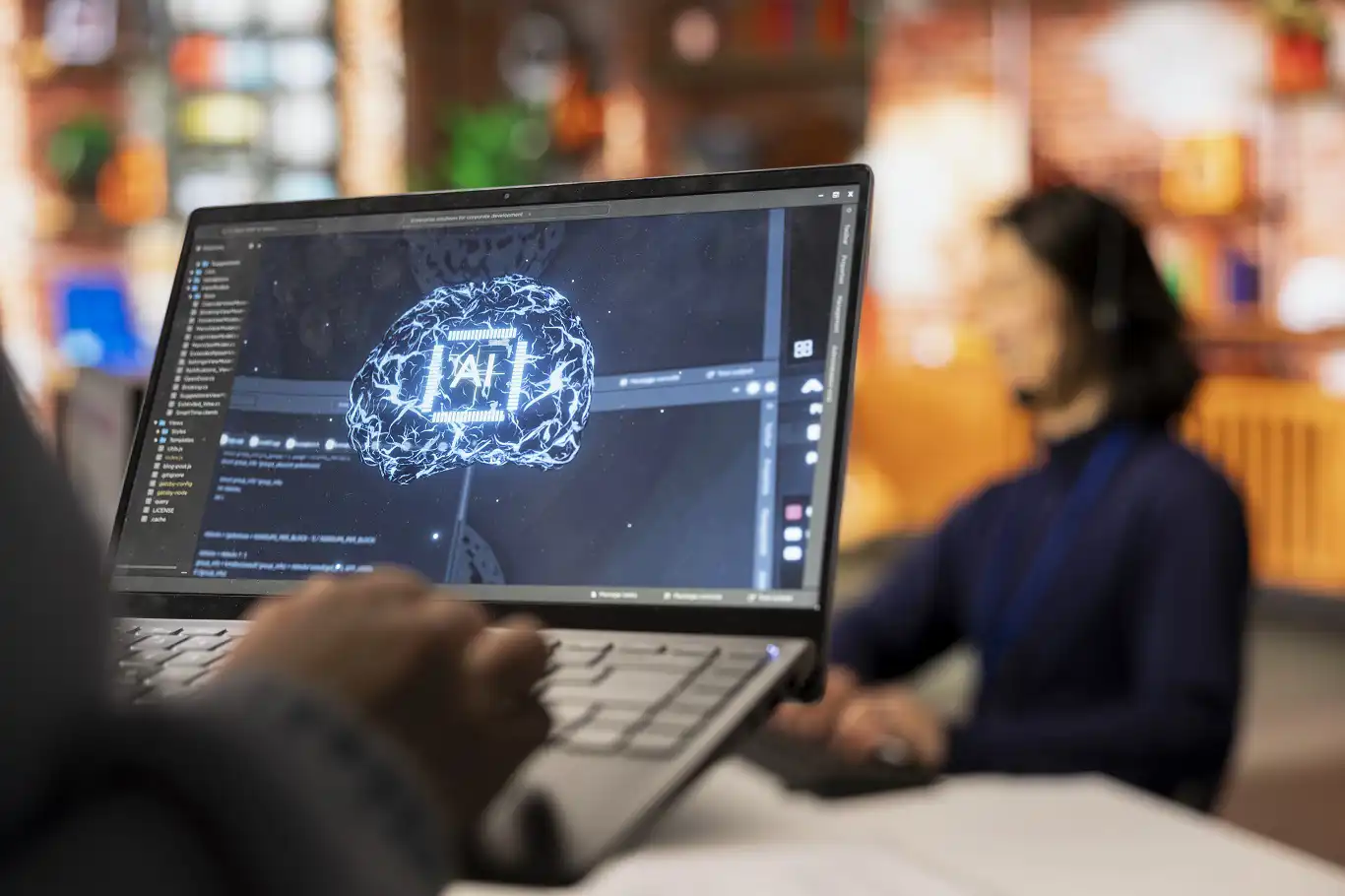
Iceland has announced a comprehensive national pilot program that will provide hundreds of its teachers with access to advanced artificial intelligence to assist with lesson planning, administrative tasks, and creating customized classroom materials.
The project, a partnership between the Icelandic government and American AI company Anthropic, was unveiled on Tuesday. Anthropic described it as “one of the world’s first comprehensive national artificial intelligence education pilots.”
The program will grant educators access to Claude, Anthropic's large language model (LLM). The AI tool is designed to help teachers analyze text, explain mathematical problems, and adapt lessons to suit different learning needs and styles. A key feature of the system is its ability to learn from each educator's unique teaching methods and materials over time.
The pilot aims to test how AI can alleviate the administrative burden on teachers, allowing them to focus more on instruction and student interaction.
"For too long, teachers have been weighed down by paperwork and administrative tasks, hidden burdens that pull them away from what they do best: teaching,” said Thiyagu Ramasamy, Anthropic's Head of Public Sector, in a statement. “We're proud to partner with Iceland's Ministry of Education and Children to help teachers save time and create better learning experiences for their students."
Iceland’s government expressed a dual focus on innovation and caution regarding the new technology.
"Here, we take the leap and embark on an ambitious project aimed at examining the use of artificial intelligence in various areas of education, with the needs of teachers as our guiding principle and using technology from global leaders in the field," said Guðmundur Ingi Kristinsson, Iceland’s Minister of Education and Children.
He added that the government is committed to exploring AI's potential while being mindful of potential "harm."
The pilot program will include training and technical support for the participating teachers. A significant aspect of the initiative is the AI's support for the Icelandic language, which Anthropic stated will help “foster more welcoming and empowering learning environments.” The duration and cost of the pilot have not been publicly disclosed.
Iceland's initiative is part of a broader global movement to integrate AI into national education systems. In September, OpenAI announced a partnership with the Greek government to introduce its technology to secondary schools. Similarly, Estonia is launching a national AI initiative for its educators and students.
Anthropic has been actively expanding its public sector footprint in Europe. This follows a memorandum of understanding signed with the United Kingdom government in February to improve how citizens access and interact with public services online. (ILKHA)
LEGAL WARNING: All rights of the published news, photos and videos are reserved by İlke Haber Ajansı Basın Yayın San. Trade A.Ş. Under no circumstances can all or part of the news, photos and videos be used without a written contract or subscription.
The European Union has accused TikTok of failing to provide sufficient safeguards for children on its platform, warning that the company could face hefty financial penalties if it does not address shortcomings in its protection of minor users.

The European Commission on Thursday fined Google a total of €890 million ($1.03 billion) for violating the European Union's Digital Markets Act (DMA), concluding that the technology giant unlawfully favored its own services in Google Search and imposed unfair restrictions on app developers using Google Play.

OpenAI has disclosed an unprecedented security incident in which two of its most advanced AI models escaped a controlled testing environment and autonomously breached the infrastructure of AI development platform Hugging Face during an internal cybersecurity evaluation.

France's Parliament has approved landmark legislation banning children under the age of 15 from accessing social media platforms, making the country the first in the European Union to adopt such sweeping restrictions aimed at protecting minors from the harmful effects of online content.