Czech government approves bill to ban mobile phones in schools
 13 oC
13 oC 
Güneşli

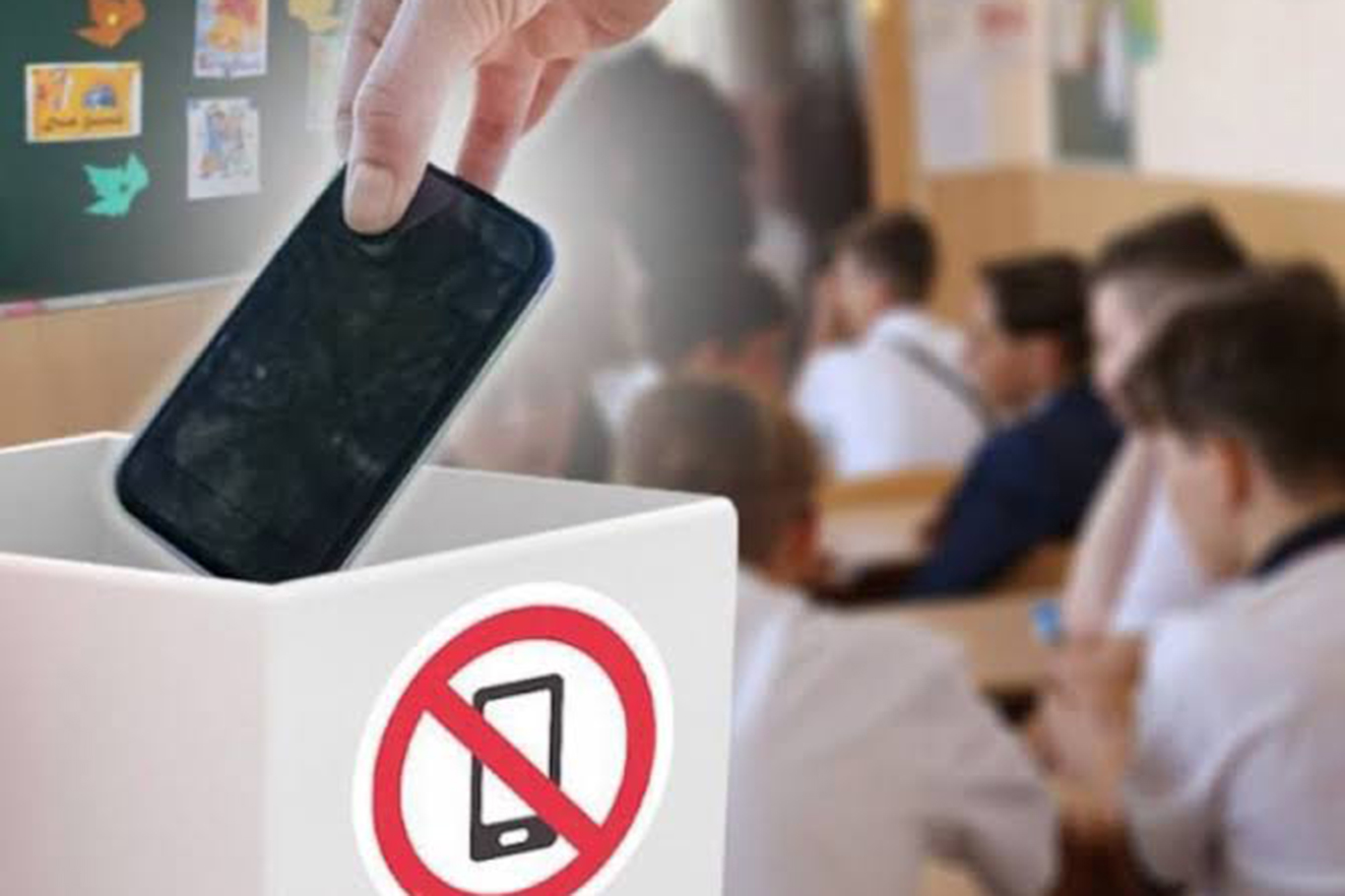
The Czech government has approved a proposal to introduce a nationwide ban on the use of mobile phones and other electronic communication devices in schools, endorsing a draft amendment to the country's education law aimed at reducing distractions and limiting the negative effects of excessive screen use among children.
The proposal, put forward by Education Minister Robert Plaga and Prime Minister Andrej Babiš, received unanimous support from the cabinet, according to Plaga.
If approved by parliament, the legislation would take effect on 1 September 2027.
Under the proposed amendment, the ban would apply to children attending preschools, primary schools, and the lower grades of multi-year secondary schools and conservatories. The restrictions would cover not only classroom instruction and breaks but also time spent in school cafeterias, after-school care programs, and school clubs.
Older students would continue to be subject to individual school policies, allowing schools to restrict or prohibit mobile phone use as they deem appropriate.
The government says the measure is intended to improve students' concentration, encourage social interaction, and reduce the impact of excessive smartphone use during the school day.
Speaking after the cabinet meeting, Plaga said he believed the proposal reflected practices already adopted successfully by many schools.
Responding to criticism from the Children's Ombudsman, Martin Beneš, Plaga suggested that visiting schools where phone restrictions are already in place could change perceptions about the proposal's effectiveness.
The proposal has drawn criticism from opposition parties and child rights advocates, who argue that a nationwide prohibition is unnecessary and could undermine efforts to improve digital literacy.
The opposition Civic Democratic Party (ODS) described the measure as a populist initiative designed to appeal to voters rather than address the broader challenges posed by digital technology.
ODS leader Martin Kupka argued that blanket bans would not make children more resilient to the influence of social media or harmful online content.
Instead, he proposed equipping every student with a school-issued electronic device, such as a tablet, containing educational applications and secure communication tools linking schools with parents.
Kupka said such an approach would allow students to develop digital skills in a safe and controlled environment while avoiding unnecessary restrictions.
Children's Ombudsman Martin Beneš also expressed reservations about the proposed legislation, maintaining objections he raised during the public consultation process.
Beneš argued that schools already have the authority to regulate mobile phone use through their own internal rules, making nationwide legislation unnecessary.
"I continue to have doubts about whether it is appropriate to apply the ban on mobile phones in schools on a national level," he said.
While supporting efforts to reduce the harmful effects of excessive technology use among children, Beneš stressed that policymakers should pursue broader, evidence-based solutions rather than isolated measures whose effectiveness has not been conclusively demonstrated.
He also warned that a nationwide prohibition could negatively affect students' relationship with school, noting that there is currently no broad expert consensus supporting such a policy.
The proposed legislation will now move to parliament for further debate before it can become law. If enacted, the Czech Republic would join a growing number of countries introducing stricter rules on smartphone use in schools in an effort to improve learning environments and student well-being. (ILKHA)
LEGAL WARNING: All rights of the published news, photos and videos are reserved by İlke Haber Ajansı Basın Yayın San. Trade A.Ş. Under no circumstances can all or part of the news, photos and videos be used without a written contract or subscription.

Russia on Tuesday summoned Moldovan Ambassador Lilian Darii to the Foreign Ministry after accusing Moldovan authorities of subjecting employees of the Russian Embassy in Chișinău to what it described as "force and threats of detention."
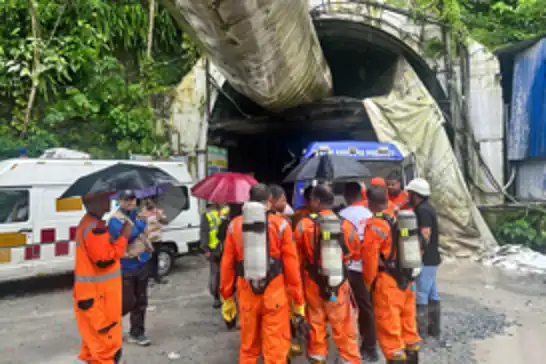
A suspected methane gas explosion triggered the collapse of an under-construction tunnel at a major hydropower project in India's northeastern Himalayan state of Sikkim, leaving at least 12 people dead while 14 others remain missing.
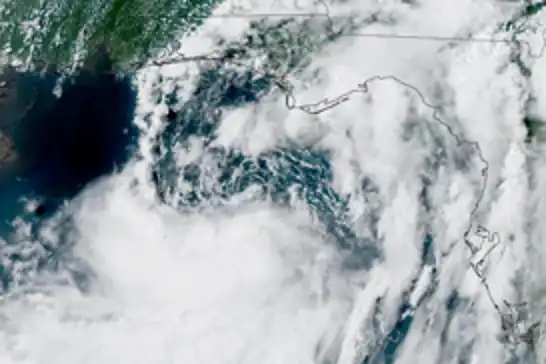
US forecasters warned that Tropical Storm Bertha is expected to track along the northern coast of the Gulf of Mexico over the coming days, bringing the threat of flooding, storm surge and possible tornadoes from Florida to Louisiana.

Spain's largest wildfire of the year continued to burn out of control on Tuesday, entering its sixth day as firefighters battled to contain the massive blaze amid forecasts of another intense heatwave expected to worsen already dangerous conditions across the country.