Hamas after Al-Sinwar: The strategic significance of Khalil al-Hayya's election
 13 oC
13 oC 
Güneşli

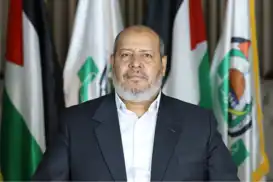
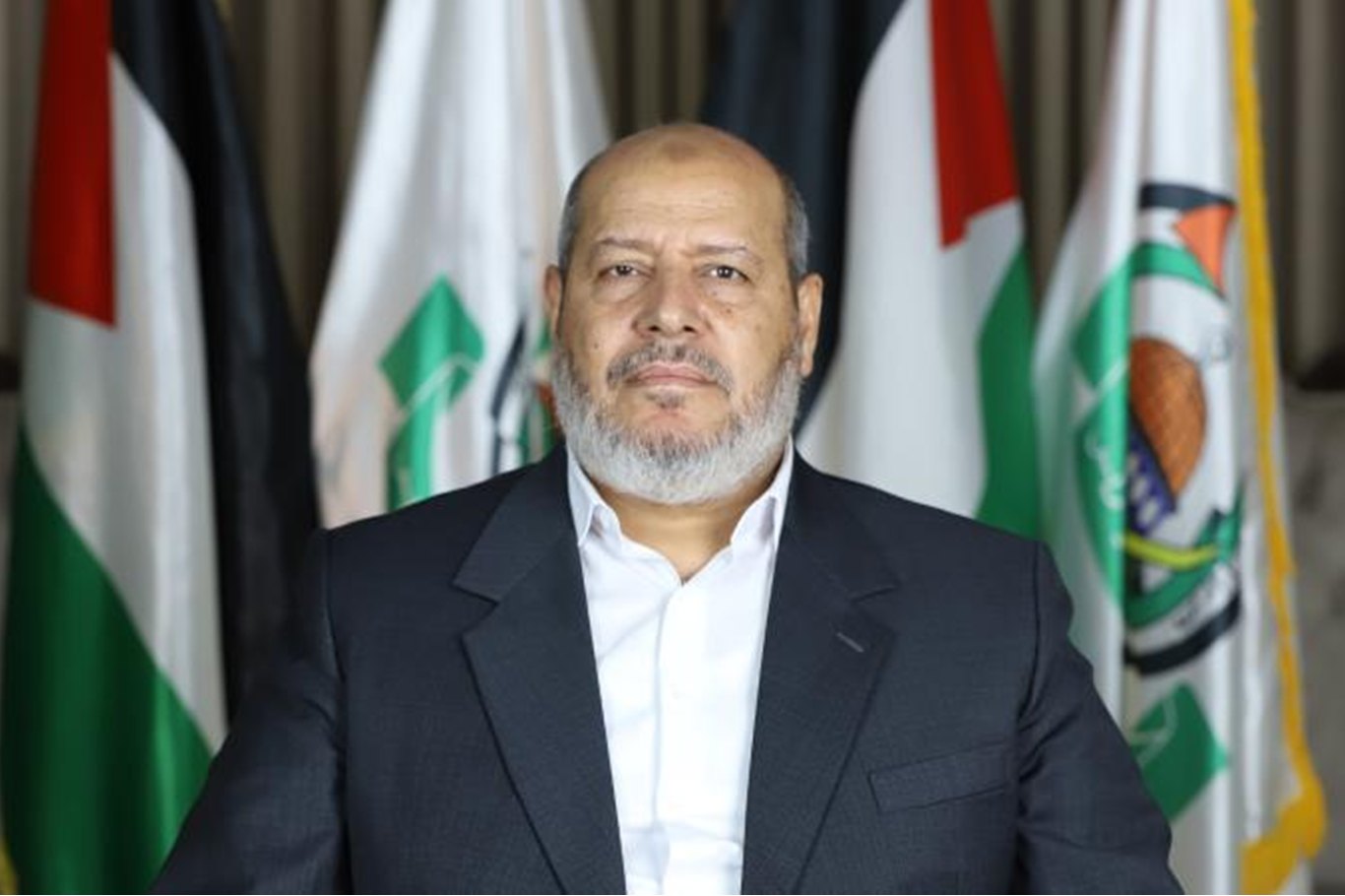
The Palestinian resistance movement Hamas has elected Khalil al-Hayya as the new head of its Political Bureau, succeeding Yahya al-Sinwar, who was killed by Israeli occupation forces in October 2024, in a move analysts say reflects the movement's institutional resilience and determination to continue its struggle despite Israel's ongoing genocidal war on the Gaza Strip.
The movement announced that the election was conducted with the participation of representatives from Gaza, the occupied West Bank, Palestinian prisoners held in Israeli prisons, and Hamas' external leadership, underscoring that its consultative institutions remain functional despite nearly two years of continuous Israeli attacks and the loss of several senior political and military leaders.
Observers described the leadership transition as a clear message that Israel's campaign of assassinations has failed to dismantle Hamas' political structure or weaken its decision-making institutions.
Veteran Leader of the Palestinian Resistance
Khalil al-Hayya is regarded as one of Hamas' most prominent political figures and one of the movement's founding leaders in the Gaza Strip.
Born in Gaza City in 1960, al-Hayya joined the Islamic resistance movement during its formative years and has played a central role in its political leadership for decades. He served as a member of Hamas' Political Bureau and represented the movement in the Palestinian Legislative Council after the 2006 elections.
Throughout his political career, al-Hayya survived several Israeli assassination attempts. During one such attack in 2007, multiple members of his family were killed after Israeli occupation forces targeted his home.
In recent years, he has emerged as one of Hamas' principal political representatives, leading negotiations with regional mediators on ceasefire agreements, humanitarian arrangements, and prisoner exchange talks.
As deputy to Yahya al-Sinwar, al-Hayya became one of the movement's most influential decision-makers during Israel's ongoing military campaign against Gaza, frequently representing Hamas in indirect negotiations involving Egypt, Qatar, and other regional actors.
His election is widely viewed as ensuring continuity in Hamas' political strategy rather than signaling any major shift in the movement's policies.
Institutional Strength Despite War
Palestinian political analyst Ahmad al-Tannani said the election demonstrates Hamas' ability to preserve its internal organizational structure despite suffering extensive losses during Israel's ongoing military campaign.
Speaking to Quds News Network, al-Tannani said Hamas had once again proven its institutional resilience by renewing its leadership through established consultative procedures despite the assassinations of former Political Bureau chief Ismail Haniyeh, Yahya al-Sinwar, and numerous other senior leaders.
He noted that the election reportedly required more than one round of voting after al-Hayya did not initially secure the required majority, describing the process as evidence that Hamas continued to adhere to its internal regulations rather than relying on emergency appointments imposed by wartime conditions.
According to al-Tannani, successfully completing such an election while Gaza remains under relentless Israeli bombardment sends a powerful political message that attempts to dismantle Hamas' governing institutions have failed.
Gaza Remains the Heart of the Resistance
Analysts also believe the election reaffirms Gaza's central role within Hamas' leadership.
Despite nearly two years of genocide, mass destruction, and repeated Israeli attempts to eliminate the movement's political and military leadership, Hamas once again selected a leader deeply rooted in Gaza.
According to al-Tannani, the decision reflects the movement's insistence that Gaza remains the heart of Palestinian resistance and the principal center of Hamas' political and strategic decision-making.
The election also signals continuity in Hamas' negotiating approach.
Having led Hamas' negotiating delegation throughout the war, al-Hayya has become the movement's chief representative in indirect ceasefire negotiations, prisoner exchange discussions, and consultations with regional mediators.
His appointment therefore suggests that Hamas intends to maintain its current political course while continuing efforts to secure an end to Israel's military campaign and achieve a comprehensive prisoner exchange agreement.
A Challenging Political Agenda
As Hamas' new Political Bureau chief, al-Hayya assumes leadership at one of the most difficult periods since the movement's establishment in 1987.
His immediate priorities include overseeing negotiations aimed at ending Israel's military campaign in Gaza, pursuing prisoner exchange agreements, addressing post-war governance of the Gaza Strip, and strengthening coordination between Hamas' leadership inside and outside Palestine.
He is also expected to deepen cooperation with other Palestinian resistance factions while navigating an increasingly complex regional and international political landscape.
According to Afifa, Hamas' leadership is likely to rely even more heavily on collective decision-making among its various institutions, preserving internal unity while adapting to the challenges created by the ongoing Israeli offensive.
Palestinian observers say the election demonstrates that despite Israel's sustained campaign of assassinations and destruction, Hamas continues to renew its leadership, preserve its institutional framework, and reaffirm its commitment to the Palestinian cause.
For many Palestinians, the appointment of Khalil al-Hayya symbolizes not only organizational continuity but also the resilience of the Palestinian resistance in the face of one of the most devastating military campaigns in Gaza's modern history. (ILKHA)
LEGAL WARNING: All rights of the published news, photos and videos are reserved by İlke Haber Ajansı Basın Yayın San. Trade A.Ş. Under no circumstances can all or part of the news, photos and videos be used without a written contract or subscription.
Afghanistan recorded a sharp increase in suspected Crimean-Congo hemorrhagic fever (CCHF) cases in June, with 483 suspected infections and 21 deaths, as health officials linked the surge to increased livestock handling during Eid al-Adha.

The Czech government has approved a proposal to introduce a nationwide ban on the use of mobile phones and other electronic communication devices in schools, endorsing a draft amendment to the country's education law aimed at reducing distractions and limiting the negative effects of excessive screen use among children.

Eight people were killed and 77 others injured in Ukrainian attacks on Russia's Belgorod region over the past 24 hours, Russian regional authorities said on Monday, as cross-border hostilities continued to intensify.
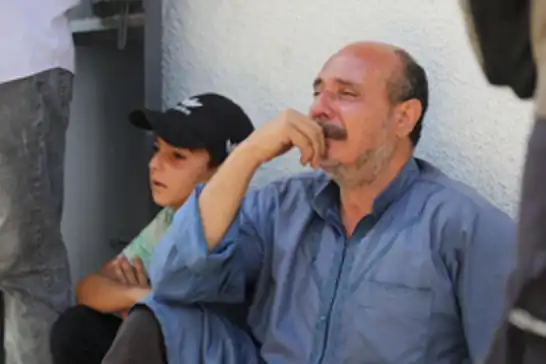
The number of Palestinians killed in the ongoing Israeli aggression on the Gaza Strip has risen to 73,293, while 173,906 others have been injured since 7 October 2023, the Gaza Ministry of Health said on Monday.