A new chapter for Gaza: Palestinian technocrats step in to lead reconstruction
 13 oC
13 oC 
Güneşli

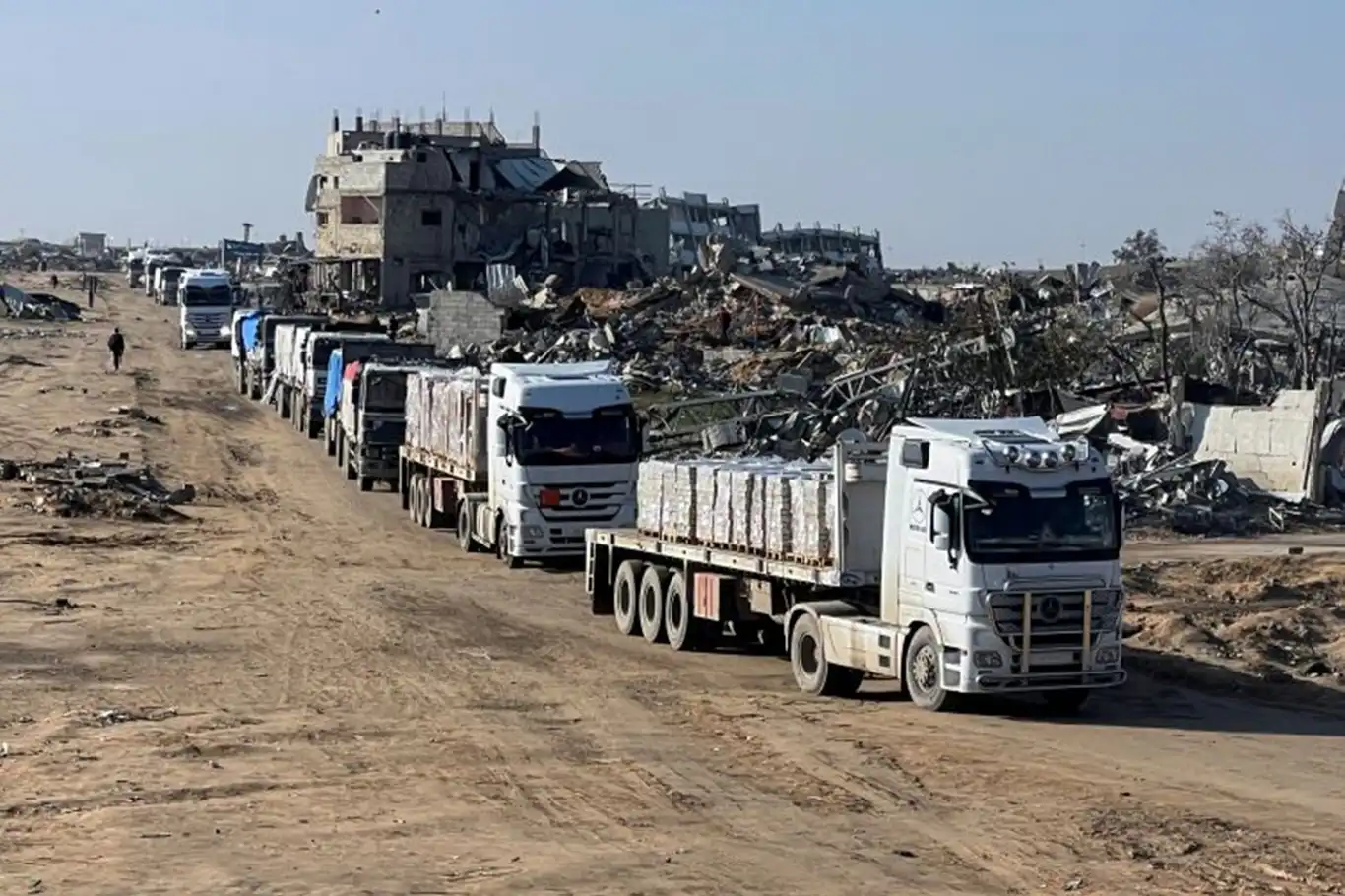
Gaza is witnessing a critical and sensitive transition as efforts intensify to establish a Palestinian-led civil administration aimed at ending months of devastation and alleviating the suffering of its besieged population.
As the second phase of the ceasefire framework takes shape, attention has shifted from halting Israeli aggression to rebuilding Gaza and restoring Palestinian governance free from occupation-imposed chaos.
A Palestinian Technocratic Committee to Manage Gaza
Under the emerging plan, Gaza’s day-to-day administration will be assumed by a 15-member Palestinian technocratic committee composed of independent, non-partisan experts. The committee is intended to focus on humanitarian relief, basic services, and reconstruction, addressing the urgent needs of a population that has endured mass displacement, infrastructure collapse, and systematic destruction.
Mediated by Egypt, Türkiye, and Qatar, the formation of the committee has received rare and broad Palestinian consensus. Hamas, Islamic Jihad, and the Fatah movement have all publicly supported the initiative, emphasizing Palestinian unity at a moment when Gaza’s survival and recovery are at stake.
Ali Shaath: A Technocrat Focused on Reconstruction, Not Power
The committee will be headed by Ali Abdel Hamid Shaath, a Gaza-born civil engineer and experienced Palestinian technocrat. Born in Khan Younis in 1958, Shaath previously served in senior positions within the Palestinian Authority, including deputy minister roles in planning and transport.
Shaath has been candid about the scale of the catastrophe inflicted on Gaza by Israel’s war. “We are not talking about reconstruction, but construction anew,” he has said, noting that nearly Gaza’s entire population of 2.2 million people has been displaced at least once.
His priorities include emergency shelter, water purification, rehabilitation of wells, reopening hospitals and schools, and restoring the most basic services required for dignified life. Importantly, Shaath has stressed that the committee is purely civilian in nature.
“This body is not an army,” he said. “It is about minds, planning, and service — not weapons.”
Hamas Steps Back from Governance
In a move reflecting political responsibility and sensitivity to Gaza’s needs, Hamas has stated it does not seek to govern Gaza during this phase and will limit its role to monitoring the transition. The movement has welcomed the technocratic committee as a Palestinian solution aimed at protecting Gaza from further collapse and foreign domination.
This step ends Hamas’ 18-year administration of Gaza and underscores a willingness among Palestinian factions to prioritize unity and civilian welfare over factional control.
The Real Obstacle: Israeli Conditions and Disarmament Pressure
Despite Palestinian consensus, the most contentious issue remains disarmament, a demand pushed by the United States and Israel under the banner of “demilitarisation.” U.S. officials have indicated that the second phase seeks the disarmament of all armed groups in Gaza — a demand Palestinians view as deeply problematic while Israeli occupation, siege, and repeated massacres continue.
For Palestinians, resistance has always been a consequence of occupation, not its cause. No clear or just mechanism has been presented that would ensure Palestinian security and rights while stripping Gaza of its means of self-defense.
Meanwhile, Israel continues to impose conditions, refusing to fully proceed with the next phase until its remaining demands are met, including the return of the body of the last Israeli captive. Palestinian leaders and observers warn that such tactics risk sabotaging the fragile transition.
A Symbolic Step Forward
The technocratic committee is expected to convene its first meeting in Cairo, with members traveling out of Gaza through the Rafah crossing — itself a symbol of Gaza’s long-denied connection to the outside world.
For Palestinians, this moment represents both hope and uncertainty.
Why This Moment Matters
If successful, this transition could mark the first genuine Palestinian-led effort in a generation to rebuild Gaza’s institutions, restore civilian life, and lay the groundwork for long-term recovery after years of siege and repeated wars.
If it fails — due to Israeli obstruction, external pressure, or imposed security demands — Gaza risks being dragged back into chaos, humanitarian collapse, or renewed aggression.
For now, the guns are largely silent. Whether that silence leads to dignity, reconstruction, and self-determination — or yet another cycle of destruction — will depend on whether Palestinian rights are respected and whether Gaza is allowed to rebuild as a Palestinian land, for the Palestinian people, free from coercion and occupation. (ILKHA)
LEGAL WARNING: All rights of the published news, photos and videos are reserved by İlke Haber Ajansı Basın Yayın San. Trade A.Ş. Under no circumstances can all or part of the news, photos and videos be used without a written contract or subscription.
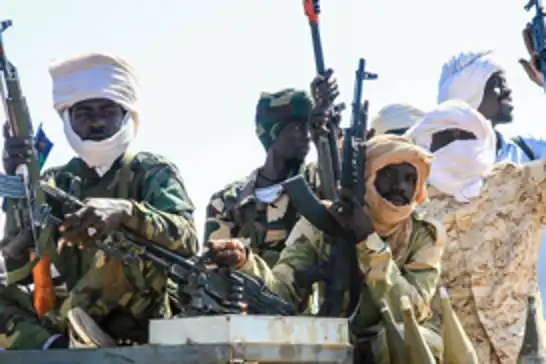
The Sudanese army announced that it had repelled an attack by the Rapid Support Forces (RSF) targeting the strategically important al-Berke area in Blue Nile State, as fighting intensifies in southeastern Sudan.
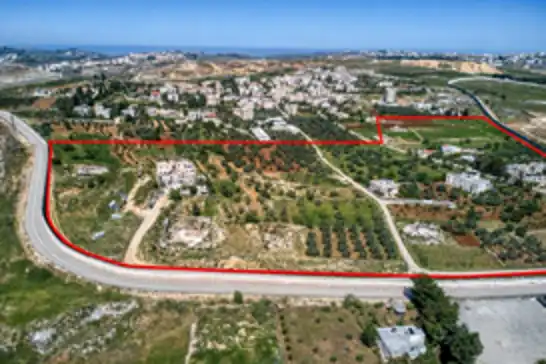
Israeli authorities have pushed forward with plans for a massive waste treatment and energy conversion plant on stolen Palestinian land in Qalandiya village, northwest of occupied Jerusalem, prompting strong condemnation from Palestinian officials who warn it is part of a systematic effort to ethnically cleanse and Judaize the area.
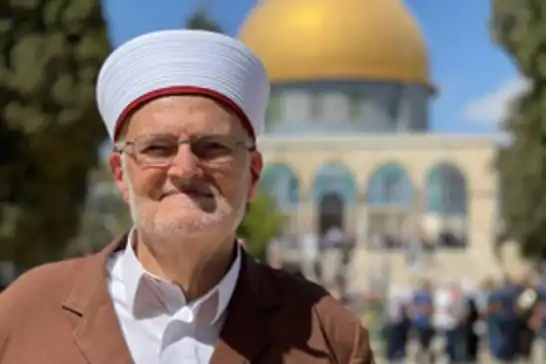
Sheikh Ekrima Sabri, head of the Higher Islamic Council in Occupied Jerusalem, has strongly warned of a new Israeli draft law that seeks to restrict and potentially ban the Adhan — the sacred Islamic call to prayer — across Jerusalem and the occupied Palestinian territories of 1948.
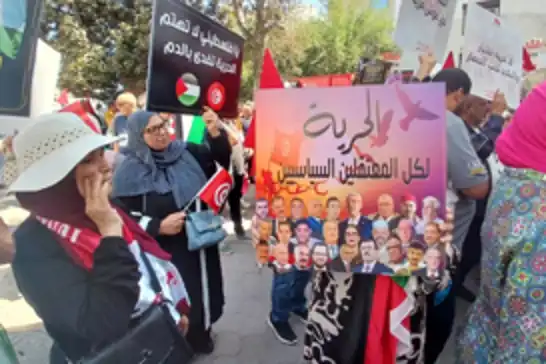
Former Tunisian intelligence chief Kamel Guizani has accused relatives of President Kais Saied and senior government officials of orchestrating surveillance operations against opposition figures and fabricating legal cases to secure their imprisonment.