Tunisia’s 'state crimes': Former intelligence chief exposes Saied’s brutal campaign against dissidents
 13 oC
13 oC 
Güneşli

Former Tunisian intelligence chief Kamel Guizani has accused relatives of President Kais Saied and senior government officials of orchestrating surveillance operations against opposition figures and fabricating legal cases to secure their imprisonment.
Speaking on Al Jazeera’s Maghareb Podcast, Guizani stated that members of the president’s close family circle, along with senior figures in the presidential security apparatus, were involved in monitoring political opponents and exploiting state institutions for political purposes.
He claimed that these activities formed the basis of broader legal and administrative actions, including the prosecution of judge Bashir Akremi and the dismissal of dozens of judges, moves widely criticized by legal observers as part of an erosion of judicial independence.
Guizani further accused former Interior Minister Taoufik Charfeddine of overseeing what he described as the fabrication of politically motivated security cases in coordination with the Justice Ministry. According to his account, these cases were used to target political opponents and civil society figures critical of the current leadership.
He alleged that security officers were pressured to produce reports lacking credibility regarding time, place, and evidence, describing the practices as “state crimes” aimed at silencing dissent and consolidating power since early 2022.
The former intelligence chief also said investigations conducted under his supervision identified links between the Director-General of Presidential Security, Khaled Yahiawi, and individuals within the president’s close family network in connection with alleged surveillance activities, including wiretapping operations targeting political figures.
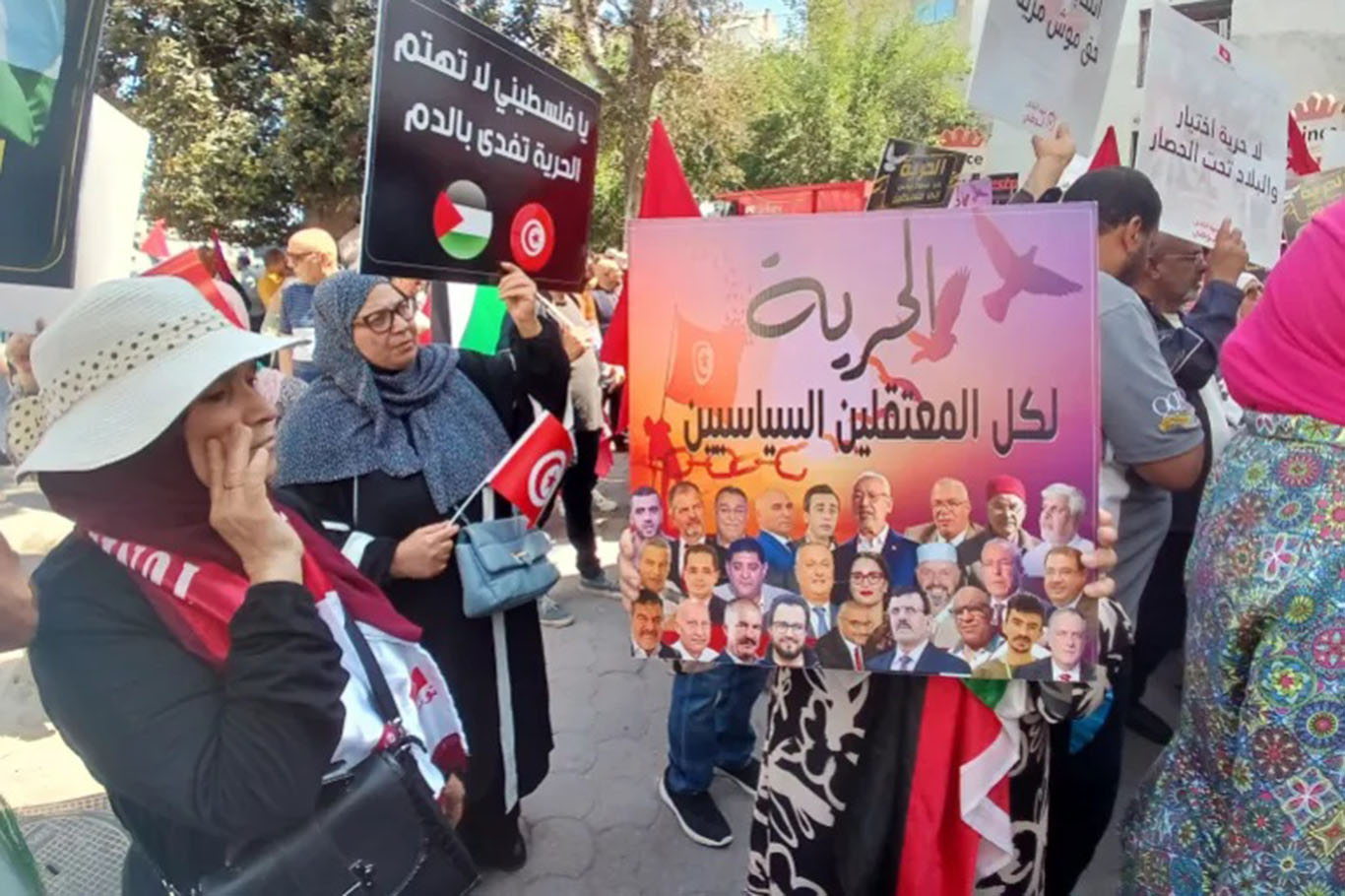
The allegations come amid growing criticism from opposition parties, human rights organizations, and legal professionals who warn that Tunisia has witnessed a sharp decline in political pluralism, judicial independence, and institutional checks and balances under President Saied’s rule.
Opponents argue that increasing use of security and judicial institutions against political rivals risks deepening political polarization and undermining the democratic gains achieved since the 2011 revolution. (ILKHA)
LEGAL WARNING: All rights of the published news, photos and videos are reserved by İlke Haber Ajansı Basın Yayın San. Trade A.Ş. Under no circumstances can all or part of the news, photos and videos be used without a written contract or subscription.
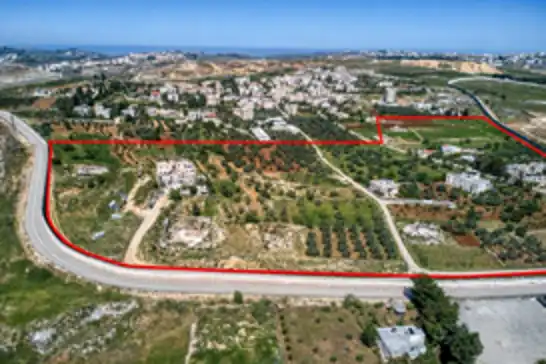
Israeli authorities have pushed forward with plans for a massive waste treatment and energy conversion plant on stolen Palestinian land in Qalandiya village, northwest of occupied Jerusalem, prompting strong condemnation from Palestinian officials who warn it is part of a systematic effort to ethnically cleanse and Judaize the area.
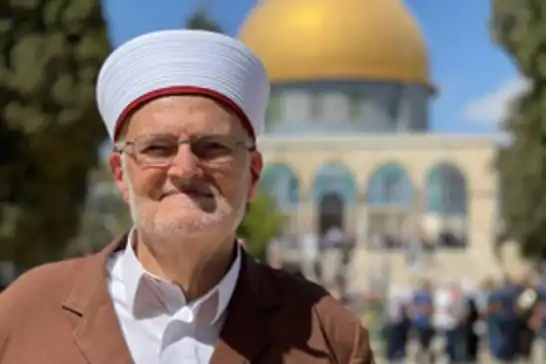
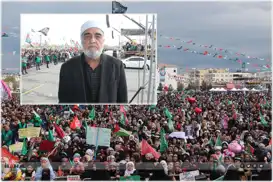
Sheikh Ekrima Sabri, head of the Higher Islamic Council in Occupied Jerusalem, has strongly warned of a new Israeli draft law that seeks to restrict and potentially ban the Adhan — the sacred Islamic call to prayer — across Jerusalem and the occupied Palestinian territories of 1948.
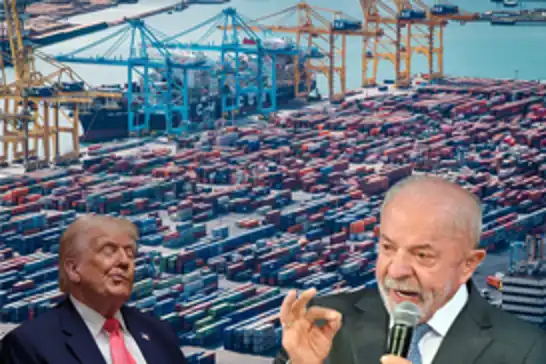
The Trump administration’s plan to impose an additional 25% tariff on imports from Brazil has triggered a sharp diplomatic and economic dispute between Washington and Brasília, raising fears of escalating trade tensions between the United States and Latin America’s largest economy.