Armenians head to polls in high-stakes parliamentary elections
 13 oC
13 oC 
Güneşli

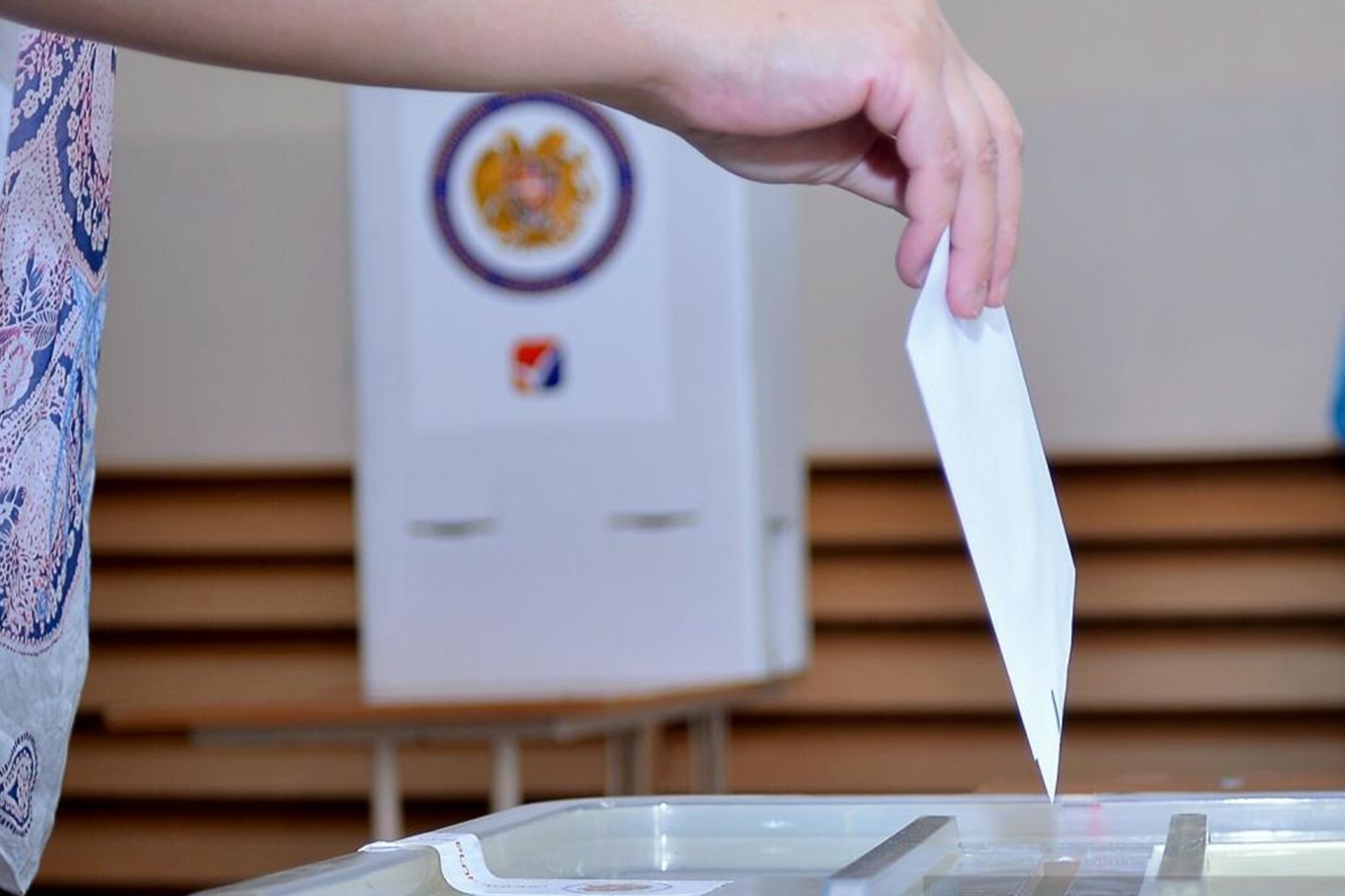
Polling stations opened across Armenia on Sunday at 8 a.m. local time (0400 GMT) as voters began casting ballots in parliamentary elections that could shape the country’s geopolitical future, its relations with Russia and the West, and prospects for peace with Azerbaijan.
Approximately 2.5 million eligible voters — out of a registered electorate of around 2.48 million — are choosing the 101 members of the National Assembly. A total of 2,005 polling stations nationwide will remain open until 8 p.m. local time (1600 GMT), after which vote counting will commence.
Prime Minister Nikol Pashinyan’s ruling Civil Contract party currently holds 69 seats following the 2021 snap election. It enters the race as the frontrunner, though polls show support hovering around 30-49% amid a high number of undecided voters (up to 40% in some surveys). A strong performance would give Pashinyan a mandate to pursue constitutional changes, advance a peace deal with Azerbaijan, and deepen ties with the EU and United States.
Sixteen political parties and two alliances are competing in the election. The main opposition forces include the Armenia Alliance, led by former President Robert Kocharyan, and Strong Armenia, a newly founded party led by billionaire Samvel Karapetyan, who is currently under house arrest on charges of inciting a coup.
Other notable contenders include Prosperous Armenia, led by Gagik Tsarukyan. Many of these opposition groups advocate for closer alignment with Russia, in stark contrast to Prime Minister Nikol Pashinyan’s pro-Western foreign policy shift.
These are the first regular parliamentary elections since 2017, following two snap votes in 2018 and 2021. The campaign has centered heavily on Armenia’s foreign policy orientation. Pashinyan has accelerated a pivot away from Russia toward the EU and U.S. since 2022, including deepened security and economic cooperation highlighted at the first EU-Armenia summit in Yerevan in May 2026.
Analysts describe the vote as a potential watershed moment. Russia has been accused of aggressive interference, including disinformation campaigns, economic pressure (such as export bans and gas threats), and warnings about the costs of Armenia’s Western tilt.
Key issues for voters include post-Nagorno-Karabakh realities, economic concerns, democratic reforms, and national security. Many observers note disillusionment from the 2020 war and its aftermath, alongside hopes for stability.
Monitoring and OutlookThe elections are being closely watched by domestic and international observers, including a long-term mission from the OSCE’s Office for Democratic Institutions and Human Rights (ODIHR) and a delegation from the European Parliament.
Results are expected to emerge in the coming hours and days. With significant undecided voters and a fragmented opposition, scenarios range from a Civil Contract majority or coalition government to more complex negotiations. The outcome will likely influence Armenia’s path on peace with Azerbaijan, EU integration, and its relationship with Moscow. (ILKHA)
LEGAL WARNING: All rights of the published news, photos and videos are reserved by İlke Haber Ajansı Basın Yayın San. Trade A.Ş. Under no circumstances can all or part of the news, photos and videos be used without a written contract or subscription.
Israeli occupation forces carried out overnight incursions into areas of northern and southern Quneitra countryside, detaining five young men, including minors, according to local reports.

Authorities are searching for suspects after at least 12 people were shot near a popular street festival in Toledo, Ohio, in an incident police say may have involved an exchange of gunfire between two individuals.
A major fire tore through a section of Ecuador’s busiest Pacific fishing port, destroying dozens of vessels and injuring two people, authorities said on Saturday.