Azerbaijan and Türkiye approve 110-point Action Plan to deepen strategic cooperation
 13 oC
13 oC 
Güneşli

Azerbaijan and Türkiye have approved a comprehensive 110-provision Action Plan aimed at significantly expanding bilateral cooperation across key political, economic, energy, transport, and humanitarian sectors.
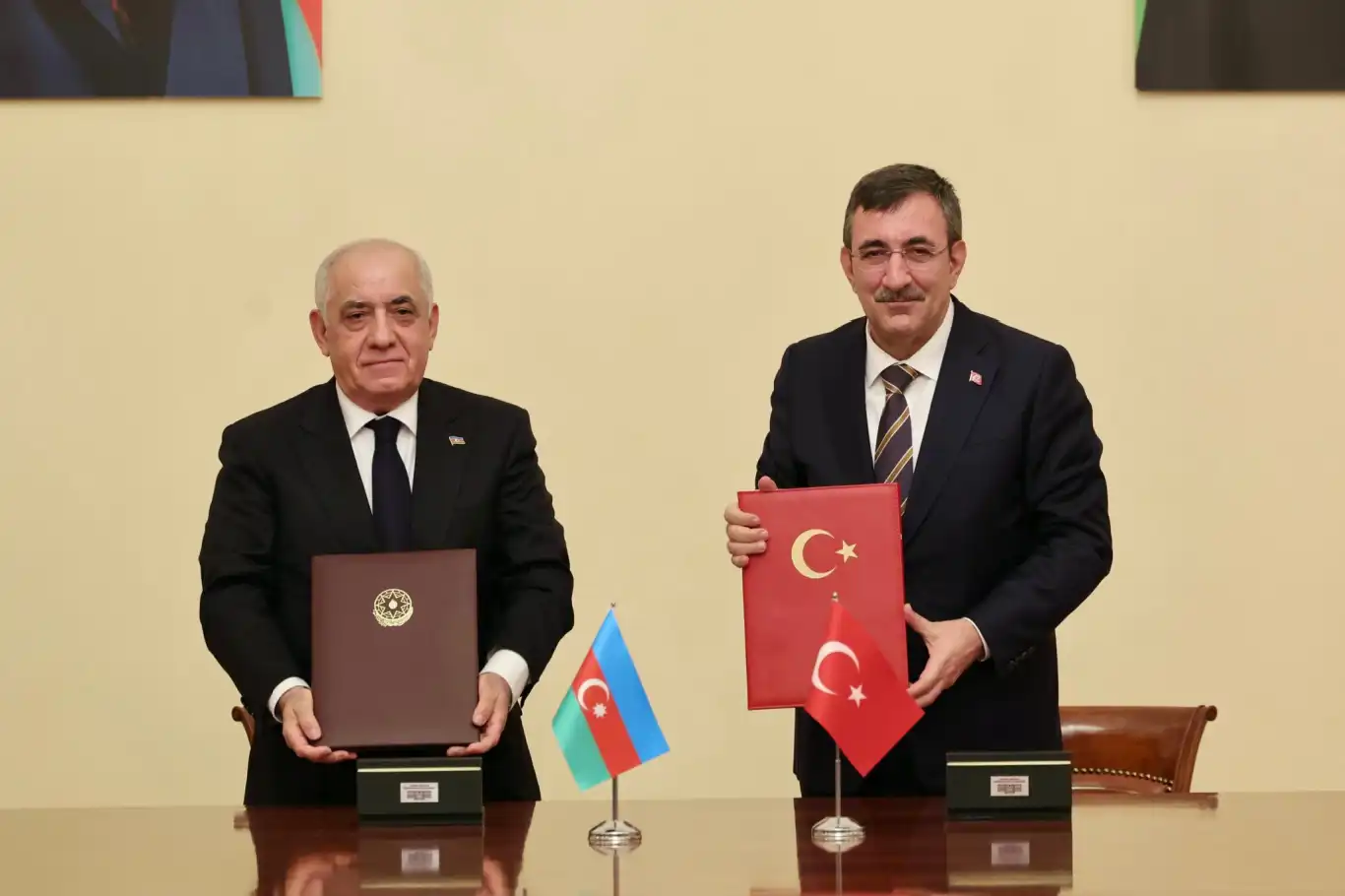
The Action Plan was endorsed on Monday by Azerbaijani Prime Minister Ali Asadov and Turkish Vice President Cevdet Yılmaz following the 12th meeting of the Joint Intergovernmental Commission on Economic Cooperation between the two countries. The meeting was attended by senior representatives of relevant state institutions from both sides, according to Azerbaijan’s Cabinet of Ministers.
Officials said the newly adopted Action Plan will serve as a detailed roadmap for cooperation over the coming years, setting concrete targets, implementation timelines, and monitoring mechanisms. The document is designed to align with the strategic alliance framework established by the Shusha Declaration and includes provisions to expand trade volume, accelerate joint infrastructure projects, enhance energy security, deepen integration within the Middle Corridor, and strengthen people-to-people ties.
Speaking at the meeting, Prime Minister Asadov emphasized that Azerbaijan and Türkiye are united by deep historical, cultural, and fraternal bonds. He recalled that the Shusha Declaration, signed by Presidents Ilham Aliyev and Recep Tayyip Erdoğan on June 15, 2021, elevated bilateral relations to the highest level of alliance.
Asadov highlighted that the close personal ties between the two presidents remain a key driving force behind the steady advancement of the strategic partnership. He noted that in 2025 alone, Presidents Aliyev and Erdoğan paid seven reciprocal visits, underscoring the intensity of high-level political dialogue.
The meeting reviewed recent symbolic milestones, including the opening of the “Azerbaijan” quarter in Kahramanmaraş during President Aliyev’s June visit to Türkiye, and President Erdoğan’s participation in the November 8 military parade in Baku marking the fifth anniversary of Victory in the Patriotic War.
Both sides reaffirmed their strong coordination and mutual support within international organizations, with particular emphasis on the Organization of Turkic States (OTS). Officials noted the active role played by both presidents in strengthening Turkic unity and enhancing the organization’s international standing.
The parties recalled that the 12th Summit of the OTS was held in Gabala in October, during which the organization’s chairmanship was transferred to Azerbaijan. Asadov expressed confidence that Azerbaijan’s chairmanship would further expand the OTS’s influence and effectiveness. It was also noted that a new format for meetings of Heads of Government and Vice Presidents was introduced this year, with Azerbaijan set to host the next session in 2026.
In the economic sphere, Türkiye was reaffirmed as one of Azerbaijan’s key trade partners. The sides reviewed the outcomes of the Preferential Trade Agreement and agreed on the need to expand its scope to include additional goods and services. The Action Plan includes updated provisions to simplify customs procedures, improve logistics connectivity, and promote reciprocal investments.
Energy cooperation featured prominently in the discussions. The parties underscored the regional and global importance of joint megaprojects, including the Southern Gas Corridor. It was noted that Azerbaijan now exports gas to 14 countries, 10 of them in Europe. Officials also highlighted the launch of Azerbaijani gas supplies to Syria via Türkiye, marking the first time Azerbaijani gas has reached the Middle East.
The Iğdır–Nakhchivan natural gas pipeline, commissioned earlier this year, was cited as a major contribution to the energy security of the Nakhchivan Autonomous Republic. Both sides also confirmed progress on the Nakhchivan–Türkiye energy hub project and reiterated their priority to export green energy to Türkiye and Europe using Nakhchivan’s renewable energy potential.
Transport and logistics cooperation was identified as another strategic pillar. Azerbaijani investments have increased the capacity of the Baku–Tbilisi–Kars railway from 1 million to 5 million tons annually. The parties stressed the need to attract additional cargo flows and further develop the Middle Corridor.
Special attention was given to connectivity projects linking mainland Azerbaijan with Nakhchivan. Officials noted that the Zangezur Corridor, with an initial cargo capacity of 15 million tons, will become an integral component of the Middle Corridor. The foundation of the Kars–Iğdır–Aralık–Dilucu railway line, laid in August, was described as a key step in this direction.
Humanitarian cooperation was also reviewed, with education highlighted as a priority area. The Türkiye–Azerbaijan University, which began operations in the 2024–2025 academic year, was praised as a flagship project. The opening of a new Turkish Anatolian Lyceum branch in Baku and plans to establish an Azerbaijani school in Istanbul next academic year were also welcomed.
The sides assessed joint initiatives in vocational education, environmental protection, and climate action. Asadov congratulated Yılmaz on Türkiye’s selection as host of COP31 and reaffirmed Azerbaijan’s readiness to provide full support in preparations for the global climate conference.
At the conclusion of the meeting, Asadov and Yılmaz signed the official protocol of the 12th session of the Joint Intergovernmental Commission, formally sealing the adoption of the 110-point Action Plan and reinforcing the long-term strategic alliance between Azerbaijan and Türkiye. (ILKHA)
LEGAL WARNING: All rights of the published news, photos and videos are reserved by İlke Haber Ajansı Basın Yayın San. Trade A.Ş. Under no circumstances can all or part of the news, photos and videos be used without a written contract or subscription.
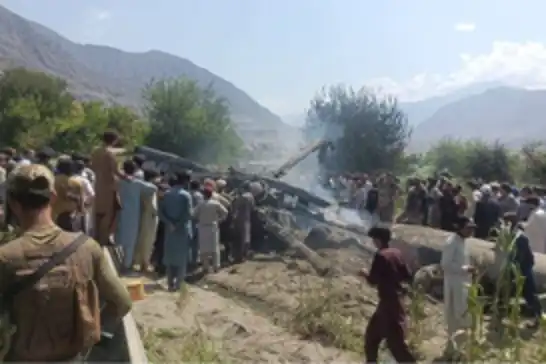
A Pakistan Army Aviation Mi-17 transport helicopter crashed shortly after take-off near Muzaffarabad in Pakistani-administered Kashmir on Wednesday, killing everyone on board, the military confirmed.
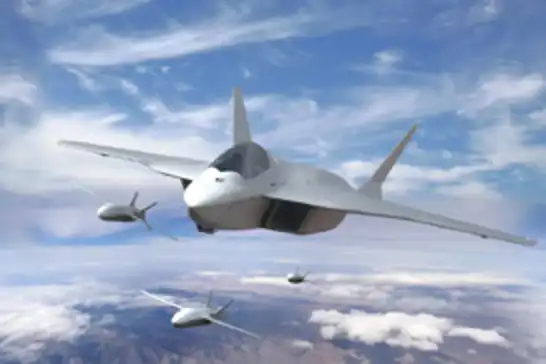
Airbus is exploring closer defence cooperation with Swedish aerospace and defence company Saab following the collapse of the Franco-German Future Combat Air System (FCAS) programme, according to sources familiar with the matter.

Microsoft co-founder Bill Gates is set to appear voluntarily before a congressional committee on Wednesday to answer questions regarding his past relationship with the late financier and convicted sex offender Jeffrey Epstein.
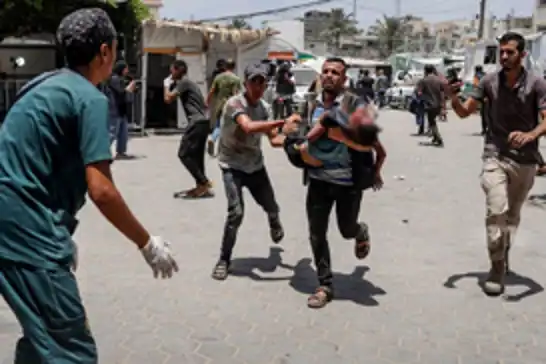
Gaza's Health Ministry said the number of Palestinians martyred since Oct. 7, 2023, has risen to 72,991, while the number of wounded reached 173,212.