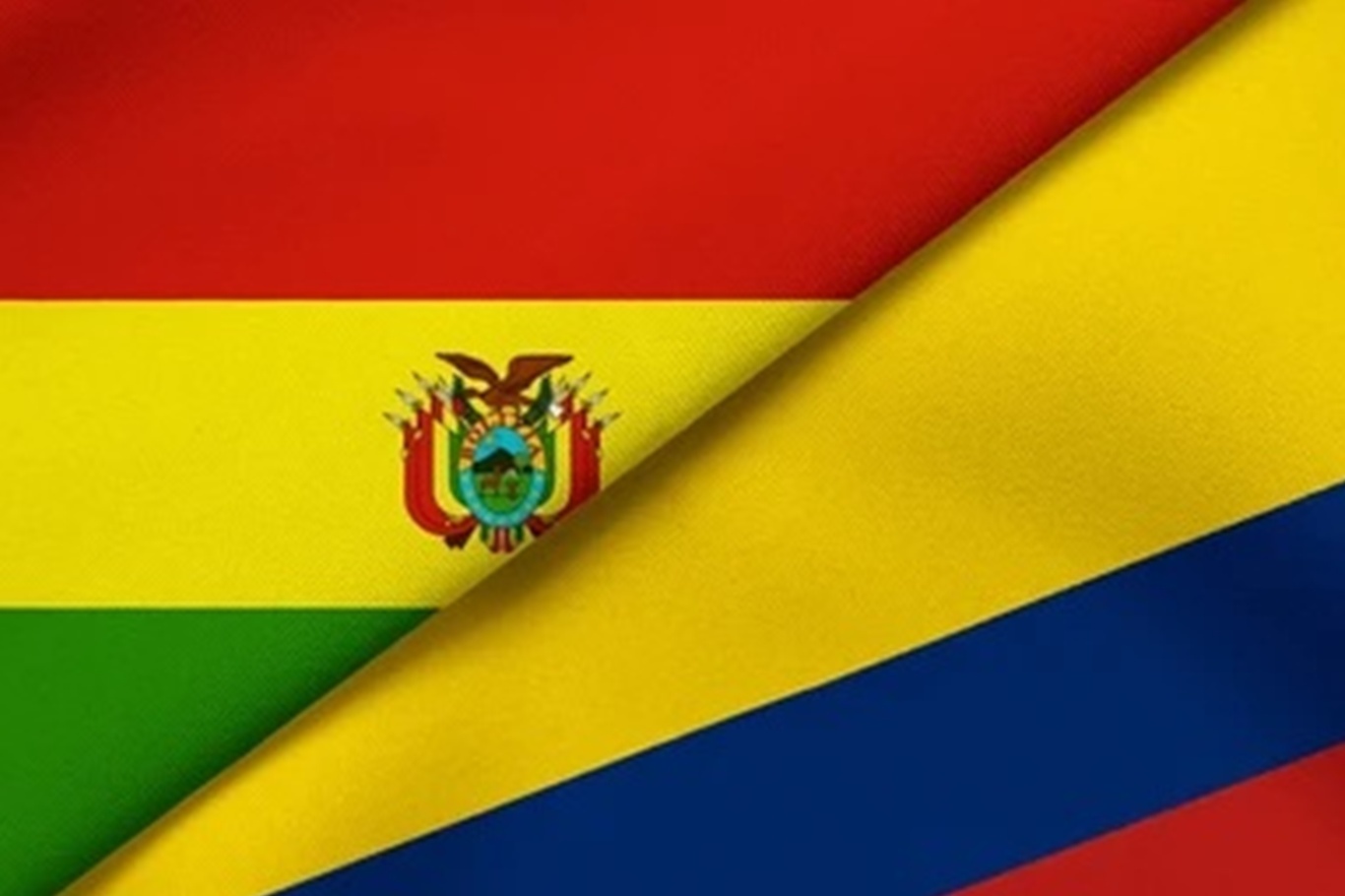
Bolivia and Colombia expel ambassadors in escalating diplomatic row
 13 oC
13 oC 
Güneşli

Bolivia and Colombia have expelled each other’s ambassadors following a sharp diplomatic dispute triggered by anti-government protests and accusations of foreign interference, escalating tensions between the two South American nations.
The crisis unfolded after Bolivia announced it was expelling Colombia’s ambassador over what it described as “interference” by Colombian President Gustavo Petro. The Bolivian government accused Petro of inflaming unrest by referring to ongoing demonstrations as a “popular insurrection.”
The protests, led by farmers, laborers, and miners, have been ongoing for weeks across La Paz and other cities. Demonstrators are opposing the economic policies of Bolivia’s new center-right president, Rodrigo Paz, whose administration has faced mounting pressure amid worsening economic conditions.
In response, Colombia’s foreign ministry announced reciprocal action, confirming that Bolivia’s ambassador in Bogotá would also be required to leave the country. The ministry said the decision was made in accordance with diplomatic reciprocity following Bolivia’s move.
Colombian officials confirmed that Bolivian ambassador Ariel Percy Molina Pimentel would end his mission in Bogotá as part of the coordinated expulsions.
The diplomatic dispute intensified after Petro publicly criticized the Bolivian government, describing the protests as an expression of popular resistance against “geopolitical arrogance.” He also offered to mediate between the government and demonstrators, warning that failure to open dialogue could lead to further instability.
Bolivia’s foreign ministry defended its decision to expel the Colombian envoy, citing the need to uphold “sovereignty, non-interference and mutual respect between states.” The ministry did not specify when the ambassador would leave the country.
Petro condemned the expulsion, arguing that it reflected a “drift toward extremism” in Bolivia and urging the government to engage in broader national dialogue to avoid further escalation.
Meanwhile, Bolivia’s government has accused the protests of being politically motivated and linked to former president Evo Morales, who remains a polarizing figure in national politics and is currently facing legal accusations.
The administration of President Paz has received backing from the United States, which has echoed claims that the unrest is part of an attempted destabilization effort. Paz, who ended two decades of socialist rule in Bolivia with his election last year, has faced significant economic challenges since taking office.
His government’s decision to remove long-standing fuel subsidies in an effort to stabilize foreign reserves has sparked widespread discontent, contributing to rising inflation and shortages.
On Monday, riot police in La Paz clashed with protesters in prolonged confrontations as demonstrations demanding Paz’s resignation intensified.
The diplomatic row between Bolivia and Colombia adds a new regional dimension to the crisis, raising concerns over growing political polarization in Latin America as domestic unrest spills into international relations. (ILKHA)
LEGAL WARNING: All rights of the published news, photos and videos are reserved by İlke Haber Ajansı Basın Yayın San. Trade A.Ş. Under no circumstances can all or part of the news, photos and videos be used without a written contract or subscription.
Chinese Foreign Minister Wang Yi has urged Israel to immediately halt settlement expansion in the occupied West Bank and reverse its expansionist policies, describing the Palestinian cause as “the greatest historical injustice of this century.”

Eleven roller coasters at amusement parks in the United States and Canada have been temporarily closed for safety inspections after a passenger died after falling from a ride at Six Flags Over Georgia amusement park.
Mauritius has extended a curfew for two more nights following protests over water shortages and the rising cost of living, after a woman was shot and injured by police during demonstrations. Security measures have been increased across the country.

A London restaurant owner who faced widespread backlash over statements supporting the Israel regime’s attacks on Gaza and mocking the suffering of Palestinians has said his business is on the verge of closure due to a boycott campaign.